


App Store 4.3(a) Spam 被拒怎么整改:IPA 相似度检测与提审前复查教程
问题引入:为什么会被 4.3(a) 判定为 Spam
App Store 审核指南 4.3(a) 针对的是重复内容与垃圾应用。实务中,被拒的 App 往往并非功能一模一样,而是主可执行文件、Framework、资源文件、Assets.car、SDK 指纹、网络接口等维度与库中已有 App 高度重合。常见触发场景包括:同一套基础框架套壳多个项目、模板代码未做实质重构、资源与打包结构直接复用、控制流与数据流语义过于接近。
这类拒审的难点在于:肉眼很难判断“差多少算相似”。因此系统性整改的第一步不是改代码,而是先做可复核的相似度检测,再按维度逐项整改。
分步教程:从检测到整改
第一步:检测前固定基线
准备一个参考包(数据库中或自有已上架的相似包)和一个待检测包,记录版本号与构建号,确保后续改动可对照。检测过程应独立完成、不保留 IPA 文件、检测后自动删除,避免 IPA 或账号产生关联风险。
基线固定后,建议先跑一次未经整改的完整检测,作为“整改前分数”,否则后续无法判断改动是否真的起作用。
第二步:做多维度相似度检测
iOS 侧建议覆盖 12 个维度:主可执行文件、Framework、资源文件、Assets.car、元数据、SDK、控制流、数据流与语义线索、重复文件等。IPA 相似度检测工具从 Mach-O、资源、元数据、SDK 和重复文件等维度生成可复核的技术报告,辅助团队在提审前定位相似风险。
其中 SHA-256 精确匹配用于发现完全相同的文件;控制流、数据流与语义线索则用于发现“改写但结构相近”的情况。二者结合,才能覆盖表层与深层重复。报告应保留评分、表格与建议,作为整改依据,而不是只截一张总分图。
第三步:按报告排序整改
先处理精确匹配类问题:相同的图片、Assets、SO 库、字符串表应替换或重做。再处理结构性相似:类与方法命名、包结构、目录布局、网络接口与 SDK 指纹。最后处理逻辑相似:业务流程顺序、状态机、数据模型与关键算法,应结合真实需求做差异化设计,而不是仅改变量名。
整改后重新检测,确认各维度评分下降,并记录改动点,形成可复盘的过程说明。这份说明在申诉或后续提交时,比空口解释更有说服力。若某一维度分数始终偏高,优先排查是否有整段代码或整个资源目录被原样复用。
检查清单
- 是否已选定参考包与待检测包,并固定版本与构建号?
- 是否覆盖主可执行文件、Framework、资源、Assets.car、SDK、控制流、数据流、重复文件等维度?
- 是否处理了 SHA-256 完全相同的文件?
- 是否对 SDK 指纹、网络接口、证书信息做了差异化?
- 资源与目录结构是否仍与参考包高度一致?
- 整改后是否重新检测并留存报告?
- 检测过程是否不保留 IPA、不产生账号关联?
适用条件与边界
本流程适用于自研或委托开发、对代码与资源有实际控制权的团队。若 App 依赖第三方框架且无法修改,应先评估可替换空间;若涉及合规资质类内容(如赌博、金融等受限类目),相似度整改不能替代资质要求。相似度检测与整改是降低 4.3(a) 风险的手段,不构成审核通过的保证。
团队规模较大时,可把证书、Bundle ID、描述文件与上传任务集中管理,减少因资料混乱导致的重复提交问题。整个流程的核心是:先量化,再整改,再复核。

App Store审核被拒:个人开发者账号提交模拟赌博应用问题(2025-11-01)
问题引入:为什么会被 4.3(a) 判定为 Spam
App Store 审核指南 4.3(a) 针对的是重复内容与垃圾应用。实务中,被拒的 App 往往并非功能一模一样,而是主可执行文件、Framework、资源文件、Assets.car、SDK 指纹、网络接口等维度与库中已有 App 高度重合。常见触发场景包括:同一套基础框架套壳多个项目、模板代码未做实质重构、资源与打包结构直接复用、控制流与数据流语义过于接近。
这类拒审的难点在于:肉眼很难判断“差多少算相似”。因此系统性整改的第一步不是改代码,而是先做可复核的相似度检测,再按维度逐项整改。
分步教程:从检测到整改
第一步:检测前固定基线
准备一个参考包(数据库中或自有已上架的相似包)和一个待检测包,记录版本号与构建号,确保后续改动可对照。检测过程应独立完成、不保留 IPA 文件、检测后自动删除,避免 IPA 或账号产生关联风险。
基线固定后,建议先跑一次未经整改的完整检测,作为“整改前分数”,否则后续无法判断改动是否真的起作用。
第二步:做多维度相似度检测
iOS 侧建议覆盖 12 个维度:主可执行文件、Framework、资源文件、Assets.car、元数据、SDK、控制流、数据流与语义线索、重复文件等。IPA 相似度检测工具从 Mach-O、资源、元数据、SDK 和重复文件等维度生成可复核的技术报告,辅助团队在提审前定位相似风险。
其中 SHA-256 精确匹配用于发现完全相同的文件;控制流、数据流与语义线索则用于发现“改写但结构相近”的情况。二者结合,才能覆盖表层与深层重复。报告应保留评分、表格与建议,作为整改依据,而不是只截一张总分图。
第三步:按报告排序整改
先处理精确匹配类问题:相同的图片、Assets、SO 库、字符串表应替换或重做。再处理结构性相似:类与方法命名、包结构、目录布局、网络接口与 SDK 指纹。最后处理逻辑相似:业务流程顺序、状态机、数据模型与关键算法,应结合真实需求做差异化设计,而不是仅改变量名。
整改后重新检测,确认各维度评分下降,并记录改动点,形成可复盘的过程说明。这份说明在申诉或后续提交时,比空口解释更有说服力。若某一维度分数始终偏高,优先排查是否有整段代码或整个资源目录被原样复用。
检查清单
- 是否已选定参考包与待检测包,并固定版本与构建号?
- 是否覆盖主可执行文件、Framework、资源、Assets.car、SDK、控制流、数据流、重复文件等维度?
- 是否处理了 SHA-256 完全相同的文件?
- 是否对 SDK 指纹、网络接口、证书信息做了差异化?
- 资源与目录结构是否仍与参考包高度一致?
- 整改后是否重新检测并留存报告?
- 检测过程是否不保留 IPA、不产生账号关联?
适用条件与边界
本流程适用于自研或委托开发、对代码与资源有实际控制权的团队。若 App 依赖第三方框架且无法修改,应先评估可替换空间;若涉及合规资质类内容(如赌博、金融等受限类目),相似度整改不能替代资质要求。相似度检测与整改是降低 4.3(a) 风险的手段,不构成审核通过的保证。
团队规模较大时,可把证书、Bundle ID、描述文件与上传任务集中管理,减少因资料混乱导致的重复提交问题。整个流程的核心是:先量化,再整改,再复核。
App Store审核被拒:个人开发者账号提交模拟赌博应用问题(2025-11-01)
收起阅读 »
AI开发App全流程实战:从架构设计、接口契约到上架审核的完整指南
1. 从一句“帮我做个App”说起:AI开发App到底在开发什么
“如何用AI开发一款App”,这句话,我在过去一年里被问到的次数,比前五年加起来都多。问的人五花八门:有做网约车调度的小老板,有想给自家运动课程做个打卡工具的教练,有做专利辅助检索的代理人,也有单纯想验证一个点子值不值得投入的产品经理。大家嘴里的“AI开发App”,其实指向的是完全不同的三件事,如果不先把这三件事拆开,后面所有的工具选型、成本估算、上架流程都会跑偏。
第一件事,是
用AI当编程助手,人来主导开发
。你仍然是开发者,只是把写样板代码、查API文档、生成单元测试、解释报错这些活儿交给AI。这是目前最成熟、最可控的路径,也是我日常主力使用的方式。第二件事,是
用AI生成式平台,靠自然语言描述直接产出可运行的应用
。你描述需求,平台吐出前端页面、后端逻辑甚至数据库结构,适合快速验证想法。第三件事,是
把AI能力嵌进App本身
,比如做一个AI聊天女友、AI诵经助手、AI旅游规划、AI声音空间化处理,App只是载体,核心价值在模型调用和提示词工程上。
这三件事经常被混为一谈,导致很多人一上来就问“哪个平台能一键生成App”,结果做出来的东西既不能上架,也没法维护。我的建议是:先明确你要的是“AI帮我写代码”,还是“AI当App的功能”,这两个方向的工具链、成本结构、技术门槛完全不同。本文会以第一件事为主线,因为它是唯一能让你真正掌控产品、并且能走到上架和长期迭代的路径,同时在关键节点上把第二、第三件事的取舍讲清楚。
适合谁看?如果你有基本的编程概念(知道什么是前端、后端、数据库),想用AI把开发效率提升三到五倍,这篇可以直接抄作业。如果你完全不懂代码,只想快速做个原型给投资人看,我也会在第二节给出低代码加AI的替代方案。如果你是想把大模型能力接进现有App的开发者,第三节的架构拆解和第五节的踩坑记录对你会更有用。
先给一个我实测下来的整体判断:
AI能把一个App的开发周期从三个月压到三到四周,但压不掉的是需求梳理、数据设计、上架合规和真机调试这四块。
很多人以为AI能全包,结果卡在应用商店审核和支付回调上,白白浪费两周。所以下面的内容,我会把“AI能加速的部分”和“AI帮不上、必须人来的部分”分得很清楚。

2. 整体设计与思路拆解:先定架构,再谈AI
2.1 为什么我坚持“人定架构、AI填实现”
我见过太多人一上来就打开AI对话窗口,输入“帮我写一个网约车App”,然后拿到一堆看起来能跑、实际上没法扩展的代码。问题出在架构决策上。一个App的核心架构决策包括:前端用什么框架、后端是自建还是用BaaS、数据库选关系型还是文档型、状态管理怎么做、鉴权方案是什么、支付和推送接哪家。这些决策一旦定错,后面AI生成的代码越多,返工成本越高。
举个具体例子。假设你要做一个运动打卡App,用户每天上传运动记录,还要有排行榜。如果你让AI直接生成,它很可能给你一个前端直接调数据库的写法,因为这样代码最短。但排行榜需要聚合查询,前端直连数据库既暴露了密钥,又扛不住并发。正确的做法是后端提供一个聚合接口,前端只调接口。这个决策AI不会主动帮你做,因为它不知道你的用户量级和成本预算。
所以我的流程是:
先用半小时把架构图画在纸上,明确模块边界和接口契约,然后再让AI逐个模块生成实现。
架构图不需要多正式,几个方框加箭头就行,但它决定了后面AI生成的内容能不能拼在一起。这一步省不得,省了后面一定加倍还回来。
2.2 三种技术路线的取舍:原生、跨端、低代码
路线选择直接决定开发成本和上架难度。我把三条路线的关键指标列出来,你可以对照自己的情况选。
| 路线 | 代表方案 |
|---|
开发速度
|
性能
|
上架难度
|
适合场景
| | 原生开发 | Swift/Kotlin |
|---|
慢
|
最好
|
低
|
重度交互、硬件调用
| | 跨端框架 | Flutter/React Native |
|---|
中
|
接近原生
|
低
|
大多数商业App
| | 低代码+AI | 各类生成平台 |
|---|
最快
|
一般
|
中
|
原型验证、内部工具
|
我的默认推荐是
跨端框架
。原因很实际:一套代码同时出iOS和Android,AI对Flutter和React Native的代码生成质量已经相当高,社区资料也全。原生开发虽然性能最好,但两套代码意味着两倍的AI生成量和两倍的调试量,除非你的App重度依赖摄像头、蓝牙、传感器(比如蓝牙控制ESP32这类场景),否则没必要。
低代码加AI这条路,我要泼一点冷水。它确实能让你在一天内看到一个能点的界面,但当你需要自定义支付流程、接入第三方登录、处理复杂的离线缓存时,平台的能力边界就会卡住你。我建议把低代码平台当成“画原型”的工具,而不是“做产品”的工具。原型验证完,该写代码还是得写。
2.3 AI在整个开发链路中的位置
把开发链路拆成需求、设计、编码、测试、发布、运维六个阶段,AI的介入程度是这样的:
需求阶段
:AI可以帮你把模糊想法整理成用户故事和验收标准,但优先级排序必须由人来定。
设计阶段
:AI能生成配色方案、图标描述、甚至Figma插件里的布局建议,但信息架构和交互流程要由人把关。
编码阶段
:这是AI的主场,样板代码、接口封装、数据模型、单元测试,效率提升最明显。
测试阶段
:AI能生成测试用例和边界条件,但真机兼容性测试和用户体验测试必须由人来做。
发布阶段
:AI基本帮不上忙,应用商店的元数据、截图、隐私政策、审核沟通全是人工活。
运维阶段
:AI能帮你分析日志、定位崩溃,但线上事故的决策要人来拍板。
看清楚这张分布图,你就不会对AI抱有不切实际的期待。
编码阶段能省掉百分之六十到七十的敲键盘时间,但整个项目周期只缩短百分之四十左右
,因为其他阶段省不下来。
3. 核心细节解析与实操要点:从零到可运行
3.1 环境准备:别在工具链上浪费时间
环境搭建是新手最容易卡住的地方,也是AI最能帮上忙的地方,因为报错信息可以直接丢给AI让它解释。我的建议是:
用AI帮你配环境,但严格按官方文档的版本号来。
以Flutter为例,你需要装的东西其实就三样:Flutter SDK、一个编辑器(VS Code或Android Studio)、以及对应平台的模拟器或真机调试环境。我见过有人折腾一整天环境还没跑起来,问题往往出在版本不匹配上。Flutter的版本和Dart的版本是绑定的,Android的Gradle版本又和JDK版本绑定,这三者任何一个错位都会报一堆看不懂的错。
我的做法是:先装官方推荐的稳定版,然后用
flutter doctor
命令检查,把输出的每一条警告都丢给AI问“这条警告是什么意思,要不要处理”。实测下来,
flutter doctor
的警告里真正需要处理的一般只有两三条,其余可以忽略。这一步用AI能省掉大量搜索时间。
注意:不要同时装多个版本的SDK,也不要用系统自带的包管理器装Flutter。版本冲突是环境问题的头号来源,用官方压缩包手动解压到固定目录最稳。
3.2 数据模型设计:AI生成后必须人工复核
数据模型是整个App的地基。我的流程是:先用自然语言把实体和关系描述清楚,让AI生成建表语句或ORM模型,然后
逐字段复核
。复核的重点有三个:字段类型是否合理、索引是否加对、关联关系是否会产生N+1查询。
举个例子,做一个图书管理App,用户、书籍、借阅记录三个实体。AI很可能给你生成一个借阅记录表,里面有用户ID和书籍ID,这没问题。但它可能忘记在用户ID和书籍ID上加索引,导致数据量上来后查询变慢。它也可能把借阅时间存成字符串而不是时间戳,导致排序和范围查询出问题。这些细节AI不会主动提醒你,因为它只关心“能跑”,不关心“跑得好”。
我通常会要求AI在生成模型时附带一段说明,解释每个字段的用途和索引策略,然后我对照业务需求检查。这个习惯帮我避免了好几次上线后的性能问题。
3.3 接口契约先行:让AI按契约生成代码
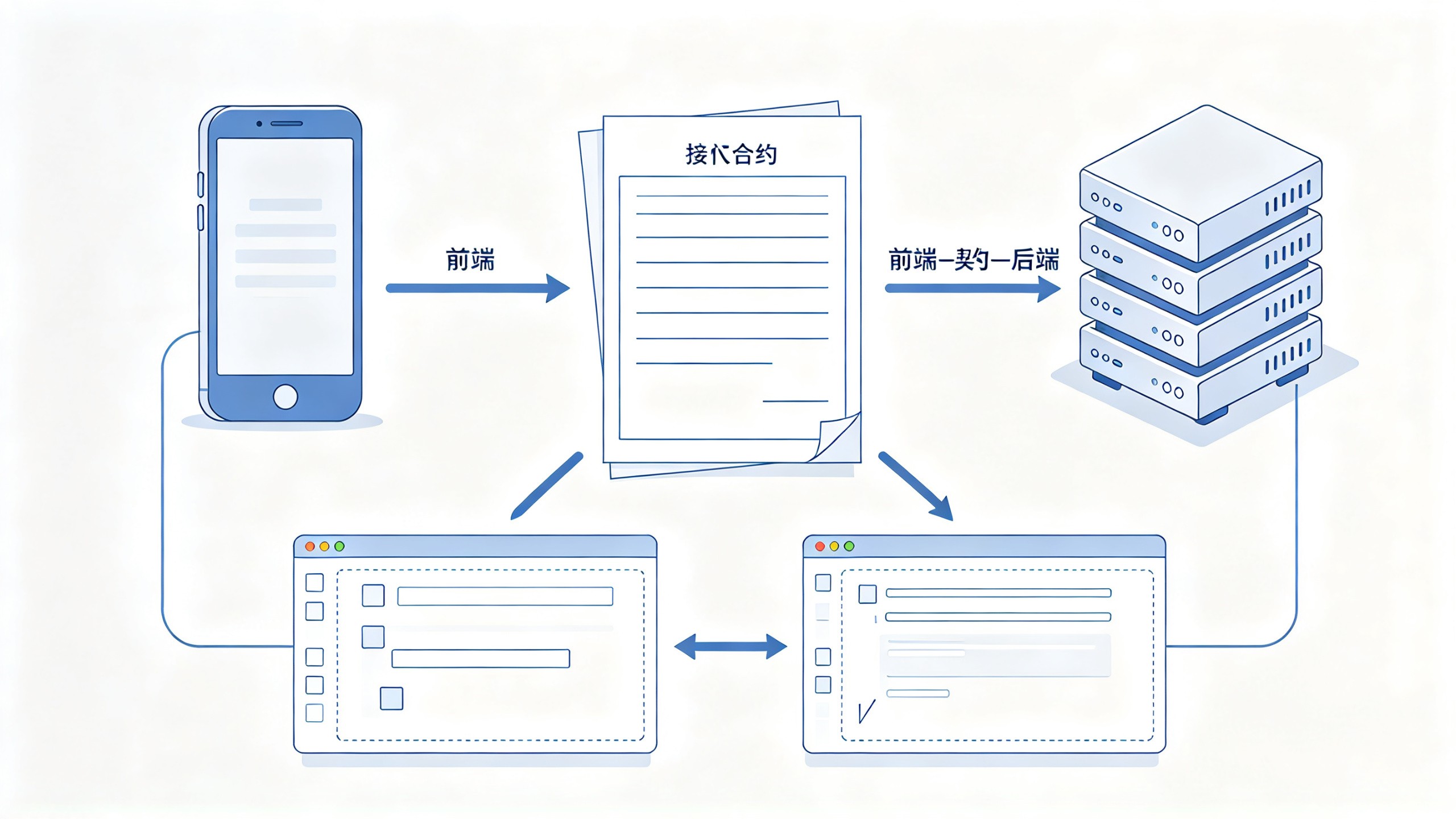
这是我认为最能提升AI编码质量的一个技巧。
不要让AI自由发挥接口设计,而是你先定好接口契约,再让它按契约实现。
接口契约包括:路径、方法、请求参数、响应结构、错误码。你可以用OpenAPI格式写,也可以用简单的表格写。写完之后,把契约贴给AI,让它生成前端调用代码和后端处理逻辑。这样生成的两端代码能严丝合缝地对上,不会出现前端传
userId
后端收
user_id
这种低级错误。
我实测过,用契约驱动的方式,前后端联调的时间能减少一半以上。因为大部分联调问题,本质上都是字段名和类型不一致,契约先行直接从根源上消灭了这类问题。
3.4 提示词工程:给AI的指令要像给实习生的任务单
很多人抱怨AI生成的代码质量差,问题往往出在指令太模糊。“帮我写一个登录功能”这种指令,AI只能猜你的技术栈、鉴权方式、错误处理策略。好的指令就应该像给实习生的任务单,要包含:技术栈、输入输出、边界条件、错误处理要求、代码风格。
我常用的指令模板是这样的:
技术栈:Flutter 3.x + Riverpod 状态管理 + Dio 网络库
任务:实现登录页面的表单提交逻辑
输入:手机号(11位,必填)、密码(6-20位,必填)
输出:调用 POST /api/login,成功返回 token 并存入安全存储,失败返回错误信息
边界条件:手机号格式错误时前端拦截,密码为空时按钮置灰
错误处理:网络超时提示重试,401 提示账号密码错误,500 提示稍后再试
代码风格:使用 AsyncNotifier,错误用 sealed class 封装
用这种指令,AI一次生成可用代码的概率会大幅提升。你可以把这个模板存下来,每次改改参数就能复用。
3.5 版本控制:AI改代码前必须提交
这一条是血泪教训。AI有时候会“好心”帮你重构,把你没让它改的地方也一起改了。如果你没有版本控制,改坏了都回不去。我的铁律是:
每次让AI改代码之前,先git commit一次。
这样即使AI改崩了,一条
git reset
就能回到干净状态。
更进一步,我建议用分支来隔离AI的改动。让AI在一个独立分支上改,你review完再合并。这样主分支始终是可运行状态,不会因为AI的一次失误导致整个项目跑不起来。
4. 实操过程与核心环节实现:一个运动打卡App的完整走查
4.1 需求拆解与MVP范围划定
假设我们要做一个运动打卡App,核心功能是:用户注册登录、记录运动(类型、时长、卡路里)、查看历史记录、周排行榜。听起来简单,但如果全做,至少两周。我的做法是先划MVP:
只做注册登录和记录运动,历史记录和排行榜放第二版。
为什么这样划?因为注册登录和记录运动是核心闭环,能验证“用户愿不愿意用”。历史记录和排行榜是增强功能,不影响核心验证。MVP越小,上线越快,拿到反馈越早。AI在这个阶段能帮你把需求写成用户故事,但划范围必须你自己来,因为只有你知道哪个功能是验证假设的关键。
4.2 用AI生成项目骨架
环境配好后,第一步是生成项目骨架。我用Flutter的
flutter create
命令生成基础项目,然后让AI帮我配置目录结构。我的目录结构习惯是这样的:
lib/
  features/
    auth/
      data/
      domain/
      presentation/
    workout/
      data/
      domain/
      presentation/
  core/
    network/
    storage/
    theme/
  main.dart
这个结构是按功能模块划分的,每个模块内部再分数据层、领域层、表现层。好处是模块之间解耦,AI改一个模块不会影响另一个。我把这个结构描述给AI,让它生成各层的空文件和基础类,十分钟就能搭好架子。
4.3 登录模块:从契约到实现
登录模块的接口契约我先定好:
| 项目 | 内容 |
|---|
| 路径 | POST /api/auth/login |
|---|
| 请求 | { "phone": "string", "password": "string" } |
|---|
| 成功响应 | { "token": "string", "userId": "string" } |
|---|
| 失败响应 | { "code": 401, "message": "账号或密码错误" } |
|---|
然后我把这个契约和提示词模板一起交给AI,让它生成Dio的网络请求封装、Riverpod的AsyncNotifier,以及登录页面的表单校验。生成完之后我做了三件事:检查token是否存进了安全存储而不是普通SharedPreferences、检查密码是否在日志里被打印、检查错误提示是否区分了网络错误和业务错误。这三项是登录模块最容易出安全问题的地方。
注意:AI生成的代码里,密码字段经常会被日志打印出来,这是严重的安全隐患。每次生成涉及密码的代码,都要全局搜索一遍日志语句,确认敏感字段没有被输出。
4.4 运动记录模块:本地优先的设计
运动记录这个功能,我采用了本地优先的设计:用户记录先存本地数据库,再异步同步到服务器。这样做的好处是没网也能记录,用户体验好。AI帮我生成了本地数据库的表结构和增删改查逻辑,我选的是Drift(Flutter的ORM库),因为它类型安全,AI生成的质量也高。
同步逻辑是难点。我的做法是给每条记录加一个
synced
字段,同步成功后置为true。同步时只查
synced=false
的记录,逐条上传。如果上传失败,保留
synced=false
,下次再试。这个逻辑并不复杂,但AI第一次生成时漏掉了“上传成功后更新本地状态”这一步,导致重复上传。我在review时发现了,补上之后才恢复正常。
4.5 排行榜:一个被低估的性能陷阱
排行榜看起来简单,实际上却是个性能陷阱。如果每次请求都实时聚合所有用户的运动数据,用户量一上来数据库就扛不住。我的方案是用定时任务每隔十分钟算一次排行榜,把结果缓存起来,前端直接读缓存。AI帮我生成了聚合查询和缓存写入的逻辑,但定时任务的调度需要我自己配置。
这里有个细节:聚合查询要按周分组,涉及日期计算。AI生成的日期计算逻辑用了本地时区,但服务器是UTC时区,导致跨周计算错误。这个问题在测试环境没有暴露,因为测试数据都在同一周内。我是上线后第二天发现排行榜数据不对,才排查出来的。教训是:
所有涉及日期时间的逻辑,都要明确时区,并且用跨周、跨月、跨年的测试数据去验证。
4.6 打包与上架:AI帮不上忙的部分
打包和上架是AI基本帮不上忙的环节。iOS需要配置证书、描述文件、App ID,Android需要签名密钥、混淆规则、多渠道打包。这些配置一旦出错,报错信息往往很晦涩。我的经验是:
严格按官方文档一步步来,不要跳步,也不要用从网上抄来的配置。
上架材料包括应用图标、截图、描述、隐私政策、年龄分级。隐私政策是很多个人开发者容易忽略的,但应用商店审核时一定会查。如果你的App收集了用户手机号、位置、运动数据,隐私政策里必须逐项说明收集什么、用来做什么、是否共享给第三方。这份文档AI能帮你起草,但最终内容你要自己负责,因为它是法律文件。
注意:应用商店审核被拒最常见的原因是隐私政策不完整,以及截图与实际功能不符。提交前把这两项反复检查,能省掉一轮审核往返,通常就是三到五天。
5. 常见问题与排查技巧实录
5.1 AI生成代码的典型问题速查
| 问题现象 | 根本原因 |
|---|
解决方法
| | 代码能跑但性能差 | AI优先选最短实现,忽略索引和缓存 |
|---|
复核数据库查询,补索引和缓存层
| | 前后端字段对不上 | 没有接口契约,AI各自发挥 |
|---|
契约先行,按契约生成两端代码
| | 敏感信息被打印 | AI默认加日志方便调试 |
|---|
全局搜索日志语句,过滤敏感字段
| | 时区计算错误 | AI用本地时区,服务器用UTC |
|---|
统一用UTC存储,展示时再转换
| | 重复提交/重复上传 | 缺少幂等设计 |
|---|
加唯一标识和状态字段
| | 依赖版本冲突 | AI用了过时或未来的版本号 |
|---|
锁定版本,按官方兼容矩阵核对
|
这张表是我踩坑踩出来的,每一条都对应着一次真实的返工。你可以把它当成AI生成代码的review清单,每次生成完就对照检查一遍。
5.2 真机调试的坑:模拟器跑通不等于真机跑通
模拟器和真机的差异比想象中大。我遇到过模拟器上网络请求正常、真机上却超时的问题,排查半天才发现是模拟器走了本机网络,真机走了蜂窝网络,而测试服务器的防火墙只放行了本机IP。还遇到过模拟器上字体正常、真机上字体溢出的问题,因为真机的系统字体设置被用户调大了。
我的建议是:
功能开发阶段用模拟器提效率,但每个模块完成后必须在真机上跑一遍。
尤其是涉及网络、存储、权限、字体、深色模式的功能。真机测试不用等全部做完,做完一个模块测一个,问题越早发现越好修。
5.3 上架审核被拒的常见原因
除了隐私政策和截图问题,还有几个高频拒审原因:App内有测试数据或占位内容、登录功能需要提供测试账号、App崩溃或白屏、使用了未授权的第三方内容。我建议提交审核前做一次“干净安装测试”:把App从设备上完全卸载,重新安装,走一遍完整流程,确保没有残留数据导致的异常。
另外,审核周期通常是一到三天,被拒后重新提交又要再等一轮。所以第一次提交前多花两小时自查,比被拒后等三天划算得多。
5.4 成本估算:开发一个App并上架到底要多少钱
这是被问得最多的问题之一。我把成本拆成几块:开发工具(基本免费)、服务器(初期每月几十到几百)、应用商店开发者账号(iOS每年固定费用,Android一次性费用)、以及最容易被忽略的
时间成本
。如果自己开发,时间就是最大的成本;如果外包,报价从几千到几十万不等,具体取决于功能复杂度。
用AI辅助自己开发,能省掉的主要是人力成本。一个中等复杂度的App,传统外包报价可能在几万到十几万;自己用AI开发,服务器和账号成本加起来一年也就几百到几千。但前提是你愿意投入学习时间,并且能接受前期踩坑。如果你的时间成本很高,外包可能更划算;如果你想长期迭代产品,自己掌握开发能力更值。
6. 把AI能力接进App:另一条完全不同的路
前面讲的都是“AI帮我写App”,这一节讲“AI当App的功能”。这两件事的技术栈和成本结构完全不同,我单独拎出来说,是因为问“AI聊天女友”“AI诵经”“AI旅游规划”这类需求的人越来越多。
6.1 大模型接入的基本架构
把大模型接进App,核心链路是:App收集用户输入,发给你的后端,后端调用大模型接口,拿到结果返回给App。为什么不直接从App调大模型接口?因为API密钥不能放在客户端,否则被人抓包就泄露了。所以必须有一个后端做中转。
后端要做的事包括:鉴权(确认是合法用户)、限流(防止滥用)、提示词组装(把用户输入和系统提示词拼起来)、结果处理(过滤敏感内容、格式化输出),以及计费统计。这些逻辑不复杂,但每一环都不能省。AI能帮你生成这套后端的骨架代码,但提示词的设计和内容安全策略需要你自己反复调试。
6.2 提示词工程与对话状态管理
做AI聊天类功能,提示词是核心竞争力。系统提示词决定了AI的人设、语气、知识边界。我调试提示词的方法是:准备一组典型用户输入,包括正常问题、边界问题、恶意输入,然后观察AI的回复,不断调整提示词。这个过程没有捷径,就是反复试。
对话状态管理是另一个难点。大模型本身是无状态的,每次调用都要把历史对话带上。但历史对话不能无限带,否则会超出上下文长度限制,也会增加成本。我的做法是保留最近若干轮对话,更早的对话做摘要压缩。这个策略需要在成本和体验之间找平衡点,没有标准答案。
6.3 内容安全与合规底线
做AI对话类App,内容安全是红线。你必须有一套机制来过滤不当内容,包括用户输入和AI输出两端。输入端过滤明显的违规词,输出端做二次审核。这套机制可以用现成的审核接口,也可以自己维护词库。无论哪种,都要在上线前充分测试,确保不会漏放违规内容。
注意:内容安全不是加一个过滤器就完事,而是需要持续运营。上线后要有人工复核机制,处理用户举报,定期更新过滤规则。这块投入不能省,省了会出大问题。
6.4 成本控制:token就是钱
大模型调用是按token计费的,用户聊得越多,成本越高。如果不做控制,一个爆款App的API账单能吓死人。我的控制策略有三层:限制单用户每日调用次数、限制单次对话的上下文长度、对高频用户做分级限流。这三层加起来,能把成本控制在可预测范围内。
另外,不是所有功能都需要用大模型。比如AI诵经这种场景,如果内容相对固定,完全可以用规则引擎加模板,成本几乎为零。用大模型是杀鸡用牛刀。判断标准很简单:
如果这个任务的输出空间是有限的、可枚举的,就别用大模型。
7. 我踩过的坑和几条硬经验
先说一个最贵的坑。我曾经让AI帮我重构一个模块,它把数据库字段名从驼峰改成了下划线,理由是“符合SQL规范”。结果前端所有引用这个字段的地方全挂了,而我当时没有仔细review,直接合并了。上线后用户数据加载失败,排查了两个小时才发现是字段名的问题。从那以后,我定了一条规矩:
AI改动的代码,diff必须逐行看,尤其是字段名、接口路径、配置项这类“牵一发动全身”的地方。
第二条经验是关于测试的。AI生成的单元测试往往只覆盖正常路径,边界条件覆盖不足。我的做法是让AI先生成测试,然后我手动补充边界用例:空值、超长字符串、特殊字符、并发调用、网络中断。这些用例AI不会主动想,但恰恰是线上问题的高发区。
第三条是关于依赖管理的。AI有时候会推荐一些冷门的第三方库,理由是“代码更简洁”。但冷门库意味着社区小、维护差,出了问题没人帮你。我的原则是:
优先用官方库和主流库,冷门库除非有不可替代的优势,否则不用。
主流库的坑已经被无数人踩过,解决方案一搜就有;冷门库的坑只有你自己踩,踩完还得自己填。
最后一条,也是我觉得最重要的一条:
AI是加速器,不是替代品。
它能帮你更快地写出代码,但不能帮你决定写什么代码。需求判断、架构设计、安全底线、用户体验,这些仍然需要人来做。把AI当成一个不知疲倦、知识面广、但缺乏判断力的实习生,你负责定方向和把关,它负责执行。这个定位摆正了,效率提升是实实在在的;摆不正,就会陷入“AI生成一堆代码、自己收拾烂摊子”的循环。
如果你现在正准备用AI开发第一个App,我的建议是从最小的功能开始,跑通“需求到上架”的完整链路,哪怕这个App只有一个页面。走完一遍,你就知道哪些环节AI能帮上忙、哪些环节必须自己来。这个认知比任何教程都值钱。
1. 从一句“帮我做个App”说起:AI开发App到底在开发什么
“如何用AI开发一款App”,这句话,我在过去一年里被问到的次数,比前五年加起来都多。问的人五花八门:有做网约车调度的小老板,有想给自家运动课程做个打卡工具的教练,有做专利辅助检索的代理人,也有单纯想验证一个点子值不值得投入的产品经理。大家嘴里的“AI开发App”,其实指向的是完全不同的三件事,如果不先把这三件事拆开,后面所有的工具选型、成本估算、上架流程都会跑偏。
第一件事,是
用AI当编程助手,人来主导开发
。你仍然是开发者,只是把写样板代码、查API文档、生成单元测试、解释报错这些活儿交给AI。这是目前最成熟、最可控的路径,也是我日常主力使用的方式。第二件事,是
用AI生成式平台,靠自然语言描述直接产出可运行的应用
。你描述需求,平台吐出前端页面、后端逻辑甚至数据库结构,适合快速验证想法。第三件事,是
把AI能力嵌进App本身
,比如做一个AI聊天女友、AI诵经助手、AI旅游规划、AI声音空间化处理,App只是载体,核心价值在模型调用和提示词工程上。
这三件事经常被混为一谈,导致很多人一上来就问“哪个平台能一键生成App”,结果做出来的东西既不能上架,也没法维护。我的建议是:先明确你要的是“AI帮我写代码”,还是“AI当App的功能”,这两个方向的工具链、成本结构、技术门槛完全不同。本文会以第一件事为主线,因为它是唯一能让你真正掌控产品、并且能走到上架和长期迭代的路径,同时在关键节点上把第二、第三件事的取舍讲清楚。
适合谁看?如果你有基本的编程概念(知道什么是前端、后端、数据库),想用AI把开发效率提升三到五倍,这篇可以直接抄作业。如果你完全不懂代码,只想快速做个原型给投资人看,我也会在第二节给出低代码加AI的替代方案。如果你是想把大模型能力接进现有App的开发者,第三节的架构拆解和第五节的踩坑记录对你会更有用。
先给一个我实测下来的整体判断:
AI能把一个App的开发周期从三个月压到三到四周,但压不掉的是需求梳理、数据设计、上架合规和真机调试这四块。
很多人以为AI能全包,结果卡在应用商店审核和支付回调上,白白浪费两周。所以下面的内容,我会把“AI能加速的部分”和“AI帮不上、必须人来的部分”分得很清楚。
2. 整体设计与思路拆解:先定架构,再谈AI
2.1 为什么我坚持“人定架构、AI填实现”
我见过太多人一上来就打开AI对话窗口,输入“帮我写一个网约车App”,然后拿到一堆看起来能跑、实际上没法扩展的代码。问题出在架构决策上。一个App的核心架构决策包括:前端用什么框架、后端是自建还是用BaaS、数据库选关系型还是文档型、状态管理怎么做、鉴权方案是什么、支付和推送接哪家。这些决策一旦定错,后面AI生成的代码越多,返工成本越高。
举个具体例子。假设你要做一个运动打卡App,用户每天上传运动记录,还要有排行榜。如果你让AI直接生成,它很可能给你一个前端直接调数据库的写法,因为这样代码最短。但排行榜需要聚合查询,前端直连数据库既暴露了密钥,又扛不住并发。正确的做法是后端提供一个聚合接口,前端只调接口。这个决策AI不会主动帮你做,因为它不知道你的用户量级和成本预算。
所以我的流程是:
先用半小时把架构图画在纸上,明确模块边界和接口契约,然后再让AI逐个模块生成实现。
架构图不需要多正式,几个方框加箭头就行,但它决定了后面AI生成的内容能不能拼在一起。这一步省不得,省了后面一定加倍还回来。
2.2 三种技术路线的取舍:原生、跨端、低代码
路线选择直接决定开发成本和上架难度。我把三条路线的关键指标列出来,你可以对照自己的情况选。
| 路线 | 代表方案 |
|---|
开发速度
|
性能
|
上架难度
|
适合场景
| | 原生开发 | Swift/Kotlin |
|---|
慢
|
最好
|
低
|
重度交互、硬件调用
| | 跨端框架 | Flutter/React Native |
|---|
中
|
接近原生
|
低
|
大多数商业App
| | 低代码+AI | 各类生成平台 |
|---|
最快
|
一般
|
中
|
原型验证、内部工具
|
我的默认推荐是
跨端框架
。原因很实际:一套代码同时出iOS和Android,AI对Flutter和React Native的代码生成质量已经相当高,社区资料也全。原生开发虽然性能最好,但两套代码意味着两倍的AI生成量和两倍的调试量,除非你的App重度依赖摄像头、蓝牙、传感器(比如蓝牙控制ESP32这类场景),否则没必要。
低代码加AI这条路,我要泼一点冷水。它确实能让你在一天内看到一个能点的界面,但当你需要自定义支付流程、接入第三方登录、处理复杂的离线缓存时,平台的能力边界就会卡住你。我建议把低代码平台当成“画原型”的工具,而不是“做产品”的工具。原型验证完,该写代码还是得写。
2.3 AI在整个开发链路中的位置
把开发链路拆成需求、设计、编码、测试、发布、运维六个阶段,AI的介入程度是这样的:
需求阶段
:AI可以帮你把模糊想法整理成用户故事和验收标准,但优先级排序必须由人来定。
设计阶段
:AI能生成配色方案、图标描述、甚至Figma插件里的布局建议,但信息架构和交互流程要由人把关。
编码阶段
:这是AI的主场,样板代码、接口封装、数据模型、单元测试,效率提升最明显。
测试阶段
:AI能生成测试用例和边界条件,但真机兼容性测试和用户体验测试必须由人来做。
发布阶段
:AI基本帮不上忙,应用商店的元数据、截图、隐私政策、审核沟通全是人工活。
运维阶段
:AI能帮你分析日志、定位崩溃,但线上事故的决策要人来拍板。
看清楚这张分布图,你就不会对AI抱有不切实际的期待。
编码阶段能省掉百分之六十到七十的敲键盘时间,但整个项目周期只缩短百分之四十左右
,因为其他阶段省不下来。
3. 核心细节解析与实操要点:从零到可运行
3.1 环境准备:别在工具链上浪费时间
环境搭建是新手最容易卡住的地方,也是AI最能帮上忙的地方,因为报错信息可以直接丢给AI让它解释。我的建议是:
用AI帮你配环境,但严格按官方文档的版本号来。
以Flutter为例,你需要装的东西其实就三样:Flutter SDK、一个编辑器(VS Code或Android Studio)、以及对应平台的模拟器或真机调试环境。我见过有人折腾一整天环境还没跑起来,问题往往出在版本不匹配上。Flutter的版本和Dart的版本是绑定的,Android的Gradle版本又和JDK版本绑定,这三者任何一个错位都会报一堆看不懂的错。
我的做法是:先装官方推荐的稳定版,然后用
flutter doctor
命令检查,把输出的每一条警告都丢给AI问“这条警告是什么意思,要不要处理”。实测下来,
flutter doctor
的警告里真正需要处理的一般只有两三条,其余可以忽略。这一步用AI能省掉大量搜索时间。
注意:不要同时装多个版本的SDK,也不要用系统自带的包管理器装Flutter。版本冲突是环境问题的头号来源,用官方压缩包手动解压到固定目录最稳。
3.2 数据模型设计:AI生成后必须人工复核
数据模型是整个App的地基。我的流程是:先用自然语言把实体和关系描述清楚,让AI生成建表语句或ORM模型,然后
逐字段复核
。复核的重点有三个:字段类型是否合理、索引是否加对、关联关系是否会产生N+1查询。
举个例子,做一个图书管理App,用户、书籍、借阅记录三个实体。AI很可能给你生成一个借阅记录表,里面有用户ID和书籍ID,这没问题。但它可能忘记在用户ID和书籍ID上加索引,导致数据量上来后查询变慢。它也可能把借阅时间存成字符串而不是时间戳,导致排序和范围查询出问题。这些细节AI不会主动提醒你,因为它只关心“能跑”,不关心“跑得好”。
我通常会要求AI在生成模型时附带一段说明,解释每个字段的用途和索引策略,然后我对照业务需求检查。这个习惯帮我避免了好几次上线后的性能问题。
3.3 接口契约先行:让AI按契约生成代码
这是我认为最能提升AI编码质量的一个技巧。
不要让AI自由发挥接口设计,而是你先定好接口契约,再让它按契约实现。
接口契约包括:路径、方法、请求参数、响应结构、错误码。你可以用OpenAPI格式写,也可以用简单的表格写。写完之后,把契约贴给AI,让它生成前端调用代码和后端处理逻辑。这样生成的两端代码能严丝合缝地对上,不会出现前端传
userId
后端收
user_id
这种低级错误。
我实测过,用契约驱动的方式,前后端联调的时间能减少一半以上。因为大部分联调问题,本质上都是字段名和类型不一致,契约先行直接从根源上消灭了这类问题。
3.4 提示词工程:给AI的指令要像给实习生的任务单
很多人抱怨AI生成的代码质量差,问题往往出在指令太模糊。“帮我写一个登录功能”这种指令,AI只能猜你的技术栈、鉴权方式、错误处理策略。好的指令就应该像给实习生的任务单,要包含:技术栈、输入输出、边界条件、错误处理要求、代码风格。
我常用的指令模板是这样的:
技术栈:Flutter 3.x + Riverpod 状态管理 + Dio 网络库
任务:实现登录页面的表单提交逻辑
输入:手机号(11位,必填)、密码(6-20位,必填)
输出:调用 POST /api/login,成功返回 token 并存入安全存储,失败返回错误信息
边界条件:手机号格式错误时前端拦截,密码为空时按钮置灰
错误处理:网络超时提示重试,401 提示账号密码错误,500 提示稍后再试
代码风格:使用 AsyncNotifier,错误用 sealed class 封装
用这种指令,AI一次生成可用代码的概率会大幅提升。你可以把这个模板存下来,每次改改参数就能复用。
3.5 版本控制:AI改代码前必须提交
这一条是血泪教训。AI有时候会“好心”帮你重构,把你没让它改的地方也一起改了。如果你没有版本控制,改坏了都回不去。我的铁律是:
每次让AI改代码之前,先git commit一次。
这样即使AI改崩了,一条
git reset
就能回到干净状态。
更进一步,我建议用分支来隔离AI的改动。让AI在一个独立分支上改,你review完再合并。这样主分支始终是可运行状态,不会因为AI的一次失误导致整个项目跑不起来。
4. 实操过程与核心环节实现:一个运动打卡App的完整走查
4.1 需求拆解与MVP范围划定
假设我们要做一个运动打卡App,核心功能是:用户注册登录、记录运动(类型、时长、卡路里)、查看历史记录、周排行榜。听起来简单,但如果全做,至少两周。我的做法是先划MVP:
只做注册登录和记录运动,历史记录和排行榜放第二版。
为什么这样划?因为注册登录和记录运动是核心闭环,能验证“用户愿不愿意用”。历史记录和排行榜是增强功能,不影响核心验证。MVP越小,上线越快,拿到反馈越早。AI在这个阶段能帮你把需求写成用户故事,但划范围必须你自己来,因为只有你知道哪个功能是验证假设的关键。
4.2 用AI生成项目骨架
环境配好后,第一步是生成项目骨架。我用Flutter的
flutter create
命令生成基础项目,然后让AI帮我配置目录结构。我的目录结构习惯是这样的:
lib/
  features/
    auth/
      data/
      domain/
      presentation/
    workout/
      data/
      domain/
      presentation/
  core/
    network/
    storage/
    theme/
  main.dart
这个结构是按功能模块划分的,每个模块内部再分数据层、领域层、表现层。好处是模块之间解耦,AI改一个模块不会影响另一个。我把这个结构描述给AI,让它生成各层的空文件和基础类,十分钟就能搭好架子。
4.3 登录模块:从契约到实现
登录模块的接口契约我先定好:
| 项目 | 内容 |
|---|
| 路径 | POST /api/auth/login |
|---|
| 请求 | { "phone": "string", "password": "string" } |
|---|
| 成功响应 | { "token": "string", "userId": "string" } |
|---|
| 失败响应 | { "code": 401, "message": "账号或密码错误" } |
|---|
然后我把这个契约和提示词模板一起交给AI,让它生成Dio的网络请求封装、Riverpod的AsyncNotifier,以及登录页面的表单校验。生成完之后我做了三件事:检查token是否存进了安全存储而不是普通SharedPreferences、检查密码是否在日志里被打印、检查错误提示是否区分了网络错误和业务错误。这三项是登录模块最容易出安全问题的地方。
注意:AI生成的代码里,密码字段经常会被日志打印出来,这是严重的安全隐患。每次生成涉及密码的代码,都要全局搜索一遍日志语句,确认敏感字段没有被输出。
4.4 运动记录模块:本地优先的设计
运动记录这个功能,我采用了本地优先的设计:用户记录先存本地数据库,再异步同步到服务器。这样做的好处是没网也能记录,用户体验好。AI帮我生成了本地数据库的表结构和增删改查逻辑,我选的是Drift(Flutter的ORM库),因为它类型安全,AI生成的质量也高。
同步逻辑是难点。我的做法是给每条记录加一个
synced
字段,同步成功后置为true。同步时只查
synced=false
的记录,逐条上传。如果上传失败,保留
synced=false
,下次再试。这个逻辑并不复杂,但AI第一次生成时漏掉了“上传成功后更新本地状态”这一步,导致重复上传。我在review时发现了,补上之后才恢复正常。
4.5 排行榜:一个被低估的性能陷阱
排行榜看起来简单,实际上却是个性能陷阱。如果每次请求都实时聚合所有用户的运动数据,用户量一上来数据库就扛不住。我的方案是用定时任务每隔十分钟算一次排行榜,把结果缓存起来,前端直接读缓存。AI帮我生成了聚合查询和缓存写入的逻辑,但定时任务的调度需要我自己配置。
这里有个细节:聚合查询要按周分组,涉及日期计算。AI生成的日期计算逻辑用了本地时区,但服务器是UTC时区,导致跨周计算错误。这个问题在测试环境没有暴露,因为测试数据都在同一周内。我是上线后第二天发现排行榜数据不对,才排查出来的。教训是:
所有涉及日期时间的逻辑,都要明确时区,并且用跨周、跨月、跨年的测试数据去验证。
4.6 打包与上架:AI帮不上忙的部分
打包和上架是AI基本帮不上忙的环节。iOS需要配置证书、描述文件、App ID,Android需要签名密钥、混淆规则、多渠道打包。这些配置一旦出错,报错信息往往很晦涩。我的经验是:
严格按官方文档一步步来,不要跳步,也不要用从网上抄来的配置。
上架材料包括应用图标、截图、描述、隐私政策、年龄分级。隐私政策是很多个人开发者容易忽略的,但应用商店审核时一定会查。如果你的App收集了用户手机号、位置、运动数据,隐私政策里必须逐项说明收集什么、用来做什么、是否共享给第三方。这份文档AI能帮你起草,但最终内容你要自己负责,因为它是法律文件。
注意:应用商店审核被拒最常见的原因是隐私政策不完整,以及截图与实际功能不符。提交前把这两项反复检查,能省掉一轮审核往返,通常就是三到五天。
5. 常见问题与排查技巧实录
5.1 AI生成代码的典型问题速查
| 问题现象 | 根本原因 |
|---|
解决方法
| | 代码能跑但性能差 | AI优先选最短实现,忽略索引和缓存 |
|---|
复核数据库查询,补索引和缓存层
| | 前后端字段对不上 | 没有接口契约,AI各自发挥 |
|---|
契约先行,按契约生成两端代码
| | 敏感信息被打印 | AI默认加日志方便调试 |
|---|
全局搜索日志语句,过滤敏感字段
| | 时区计算错误 | AI用本地时区,服务器用UTC |
|---|
统一用UTC存储,展示时再转换
| | 重复提交/重复上传 | 缺少幂等设计 |
|---|
加唯一标识和状态字段
| | 依赖版本冲突 | AI用了过时或未来的版本号 |
|---|
锁定版本,按官方兼容矩阵核对
|
这张表是我踩坑踩出来的,每一条都对应着一次真实的返工。你可以把它当成AI生成代码的review清单,每次生成完就对照检查一遍。
5.2 真机调试的坑:模拟器跑通不等于真机跑通
模拟器和真机的差异比想象中大。我遇到过模拟器上网络请求正常、真机上却超时的问题,排查半天才发现是模拟器走了本机网络,真机走了蜂窝网络,而测试服务器的防火墙只放行了本机IP。还遇到过模拟器上字体正常、真机上字体溢出的问题,因为真机的系统字体设置被用户调大了。
我的建议是:
功能开发阶段用模拟器提效率,但每个模块完成后必须在真机上跑一遍。
尤其是涉及网络、存储、权限、字体、深色模式的功能。真机测试不用等全部做完,做完一个模块测一个,问题越早发现越好修。
5.3 上架审核被拒的常见原因
除了隐私政策和截图问题,还有几个高频拒审原因:App内有测试数据或占位内容、登录功能需要提供测试账号、App崩溃或白屏、使用了未授权的第三方内容。我建议提交审核前做一次“干净安装测试”:把App从设备上完全卸载,重新安装,走一遍完整流程,确保没有残留数据导致的异常。
另外,审核周期通常是一到三天,被拒后重新提交又要再等一轮。所以第一次提交前多花两小时自查,比被拒后等三天划算得多。
5.4 成本估算:开发一个App并上架到底要多少钱
这是被问得最多的问题之一。我把成本拆成几块:开发工具(基本免费)、服务器(初期每月几十到几百)、应用商店开发者账号(iOS每年固定费用,Android一次性费用)、以及最容易被忽略的
时间成本
。如果自己开发,时间就是最大的成本;如果外包,报价从几千到几十万不等,具体取决于功能复杂度。
用AI辅助自己开发,能省掉的主要是人力成本。一个中等复杂度的App,传统外包报价可能在几万到十几万;自己用AI开发,服务器和账号成本加起来一年也就几百到几千。但前提是你愿意投入学习时间,并且能接受前期踩坑。如果你的时间成本很高,外包可能更划算;如果你想长期迭代产品,自己掌握开发能力更值。
6. 把AI能力接进App:另一条完全不同的路
前面讲的都是“AI帮我写App”,这一节讲“AI当App的功能”。这两件事的技术栈和成本结构完全不同,我单独拎出来说,是因为问“AI聊天女友”“AI诵经”“AI旅游规划”这类需求的人越来越多。
6.1 大模型接入的基本架构
把大模型接进App,核心链路是:App收集用户输入,发给你的后端,后端调用大模型接口,拿到结果返回给App。为什么不直接从App调大模型接口?因为API密钥不能放在客户端,否则被人抓包就泄露了。所以必须有一个后端做中转。
后端要做的事包括:鉴权(确认是合法用户)、限流(防止滥用)、提示词组装(把用户输入和系统提示词拼起来)、结果处理(过滤敏感内容、格式化输出),以及计费统计。这些逻辑不复杂,但每一环都不能省。AI能帮你生成这套后端的骨架代码,但提示词的设计和内容安全策略需要你自己反复调试。
6.2 提示词工程与对话状态管理
做AI聊天类功能,提示词是核心竞争力。系统提示词决定了AI的人设、语气、知识边界。我调试提示词的方法是:准备一组典型用户输入,包括正常问题、边界问题、恶意输入,然后观察AI的回复,不断调整提示词。这个过程没有捷径,就是反复试。
对话状态管理是另一个难点。大模型本身是无状态的,每次调用都要把历史对话带上。但历史对话不能无限带,否则会超出上下文长度限制,也会增加成本。我的做法是保留最近若干轮对话,更早的对话做摘要压缩。这个策略需要在成本和体验之间找平衡点,没有标准答案。
6.3 内容安全与合规底线
做AI对话类App,内容安全是红线。你必须有一套机制来过滤不当内容,包括用户输入和AI输出两端。输入端过滤明显的违规词,输出端做二次审核。这套机制可以用现成的审核接口,也可以自己维护词库。无论哪种,都要在上线前充分测试,确保不会漏放违规内容。
注意:内容安全不是加一个过滤器就完事,而是需要持续运营。上线后要有人工复核机制,处理用户举报,定期更新过滤规则。这块投入不能省,省了会出大问题。
6.4 成本控制:token就是钱
大模型调用是按token计费的,用户聊得越多,成本越高。如果不做控制,一个爆款App的API账单能吓死人。我的控制策略有三层:限制单用户每日调用次数、限制单次对话的上下文长度、对高频用户做分级限流。这三层加起来,能把成本控制在可预测范围内。
另外,不是所有功能都需要用大模型。比如AI诵经这种场景,如果内容相对固定,完全可以用规则引擎加模板,成本几乎为零。用大模型是杀鸡用牛刀。判断标准很简单:
如果这个任务的输出空间是有限的、可枚举的,就别用大模型。
7. 我踩过的坑和几条硬经验
先说一个最贵的坑。我曾经让AI帮我重构一个模块,它把数据库字段名从驼峰改成了下划线,理由是“符合SQL规范”。结果前端所有引用这个字段的地方全挂了,而我当时没有仔细review,直接合并了。上线后用户数据加载失败,排查了两个小时才发现是字段名的问题。从那以后,我定了一条规矩:
AI改动的代码,diff必须逐行看,尤其是字段名、接口路径、配置项这类“牵一发动全身”的地方。
第二条经验是关于测试的。AI生成的单元测试往往只覆盖正常路径,边界条件覆盖不足。我的做法是让AI先生成测试,然后我手动补充边界用例:空值、超长字符串、特殊字符、并发调用、网络中断。这些用例AI不会主动想,但恰恰是线上问题的高发区。
第三条是关于依赖管理的。AI有时候会推荐一些冷门的第三方库,理由是“代码更简洁”。但冷门库意味着社区小、维护差,出了问题没人帮你。我的原则是:
优先用官方库和主流库,冷门库除非有不可替代的优势,否则不用。
主流库的坑已经被无数人踩过,解决方案一搜就有;冷门库的坑只有你自己踩,踩完还得自己填。
最后一条,也是我觉得最重要的一条:
AI是加速器,不是替代品。
它能帮你更快地写出代码,但不能帮你决定写什么代码。需求判断、架构设计、安全底线、用户体验,这些仍然需要人来做。把AI当成一个不知疲倦、知识面广、但缺乏判断力的实习生,你负责定方向和把关,它负责执行。这个定位摆正了,效率提升是实实在在的;摆不正,就会陷入“AI生成一堆代码、自己收拾烂摊子”的循环。
如果你现在正准备用AI开发第一个App,我的建议是从最小的功能开始,跑通“需求到上架”的完整链路,哪怕这个App只有一个页面。走完一遍,你就知道哪些环节AI能帮上忙、哪些环节必须自己来。这个认知比任何教程都值钱。
收起阅读 »
uniapp ios运行自定义基座包:只有编译成功,手机没有自动安装自定义基座;解决办法
一:运行步骤
1、HBuilder X版本老基座是:5.24;升级后:5.26
2、5.26重新打自定义基座包;
3、打包成功后;运行控制台报:
09:58:36.248 uni-agent:最懂 uni-app(x) 开发的 AI Agent,全程自动化、真正的无人值守,详情
09:58:36.255 项目 DiTuiApp 开始编译
09:58:38.335 请注意运行模式下,因日志输出、sourcemap 以及未压缩源码等原因,性能和包体积,均不及发行模式。
09:58:38.336 编译器版本:5.26(vue3)
09:58:38.336 正在编译中...
09:58:38.336 编译会生成大量临时文件,杀毒软件监控时会影响编译速度,并造成CPU升高。推荐把项目目录添加到杀毒软件的监控排除名单中。[添加] [帮助]
09:58:51.874 项目 DiTuiApp 编译成功。
09:58:52.061 ready in 15106ms.
4、等待五分钟后,手机未正常运行基座或安装最新基座;运行其他正常项目发现也不行了!!
二:解决办法(三种办法):
1、使用超级管理员(Administrator)身份启动 HBuilderX,然后重新尝试运行。(我没效果)
2、确保 iOS 设备已正确信任电脑:(这个方法解决了)
手机连接电脑后,确认手机上已点击“信任此电脑”。
对于 iOS 16+ 设备,需开启【设置】->【隐私与安全性】->【开发者模式】。
首次安装时,需在【设置】->【通用】->【VPN与设备管理】中信任开发者证书。
3、如果自动安装持续失败,可尝试手动安装:(没测试;但是看案例逻辑是正确的)
云打包完成后,下载生成的 iOS_debug.ipa 文件。
使用爱思助手、iTunes 或 Apple Configurator 2 将 ipa 安装到手机。
安装后,在 HBuilderX 的【运行】->【运行到手机或模拟器】->【运行到 iOS App 基座】中选择已安装的自定义基座进行调试。
4、恢复上一个能正常运行HBuilder X版本尝试是否是版本更新问题;
以上四个方法,大家可以自行尝试,我是通过第二种方法解决的问题!!
一:运行步骤
1、HBuilder X版本老基座是:5.24;升级后:5.26
2、5.26重新打自定义基座包;
3、打包成功后;运行控制台报:
09:58:36.248 uni-agent:最懂 uni-app(x) 开发的 AI Agent,全程自动化、真正的无人值守,详情
09:58:36.255 项目 DiTuiApp 开始编译
09:58:38.335 请注意运行模式下,因日志输出、sourcemap 以及未压缩源码等原因,性能和包体积,均不及发行模式。
09:58:38.336 编译器版本:5.26(vue3)
09:58:38.336 正在编译中...
09:58:38.336 编译会生成大量临时文件,杀毒软件监控时会影响编译速度,并造成CPU升高。推荐把项目目录添加到杀毒软件的监控排除名单中。[添加] [帮助]
09:58:51.874 项目 DiTuiApp 编译成功。
09:58:52.061 ready in 15106ms.
4、等待五分钟后,手机未正常运行基座或安装最新基座;运行其他正常项目发现也不行了!!
二:解决办法(三种办法):
1、使用超级管理员(Administrator)身份启动 HBuilderX,然后重新尝试运行。(我没效果)
2、确保 iOS 设备已正确信任电脑:(这个方法解决了)
手机连接电脑后,确认手机上已点击“信任此电脑”。
对于 iOS 16+ 设备,需开启【设置】->【隐私与安全性】->【开发者模式】。
首次安装时,需在【设置】->【通用】->【VPN与设备管理】中信任开发者证书。
3、如果自动安装持续失败,可尝试手动安装:(没测试;但是看案例逻辑是正确的)
云打包完成后,下载生成的 iOS_debug.ipa 文件。
使用爱思助手、iTunes 或 Apple Configurator 2 将 ipa 安装到手机。
安装后,在 HBuilderX 的【运行】->【运行到手机或模拟器】->【运行到 iOS App 基座】中选择已安装的自定义基座进行调试。
4、恢复上一个能正常运行HBuilder X版本尝试是否是版本更新问题;
以上四个方法,大家可以自行尝试,我是通过第二种方法解决的问题!!
收起阅读 »
uni-app 开发鸿蒙 Next 应用:从 HBuilderX 初始化到 DevEco Studio 上架全流程
我用 uni-app 从零到一落地过一款鸿蒙 Next 应用,从 HBuilderX 初始化工程、写好页面,到跑上真机,再打包上架到应用市场,整个过程比想象中要顺,但中间也确实有几个配置和适配的坎。这篇文章我把整条链路拆开讲,重点放在 HBuilderX 怎么开发 uni-app 程序、入口文件与工程结构怎么理解、鸿蒙 Next 的适配差异,以及上架审核时容易忽略的材料和权限问题。适合刚入门的 uni-app 开发者,也适合手里已有小程序或 H5 项目、想低成本迁移进鸿蒙生态的团队参考。
1. 先说结论:uni-app 为什么能碰鸿蒙 Next
1.1 鸿蒙 Next 的真实处境
鸿蒙 Next 系统出来后,很多人的第一反应是:以前打一个安卓 APK 包,华为手机装上就能跑,现在这条路断了。新系统不再直接兼容安卓应用,这对个人开发者和小团队来说确实是个门槛——如果要用原生 ArkTS 重写整套业务,学习成本、时间成本都是肉眼可见的高。
但反过来看,这也是一次机会。鸿蒙 Next 的应用市场正处于生态建设的快速通道期,很多品类还没有被头部 App 占满。对个人开发者来说,早点把产品搬上去,能吃到一波流量红利。关键是得有一条低成本的跨端开发路径,而 uni-app 的编译能力刚好能覆盖这个需求。
1.2 为什么选 uni-app 而不是直接上 ArkTS
我身边不少朋友纠结过这个问题:直接用 ArkTS 写原生不好吗?当然好,官方支持最完整、性能上限最高。但现实是,如果你已经有了一套基于 Vue 的 uni-app 项目,或者主力技术栈是 Vue,那么用 ArkTS 重写的成本就不是十天半个月的事。
uni-app 的优势在于它把 Vue 语法翻译成多种端的目标代码,鸿蒙 Next 只是其中一个编译目标。同一套代码,小程序端、App 端、H5 端、鸿蒙端都能出包。选型时我也对比过 Taro、Flutter、React Native:Taro 对鸿蒙的适配链路不如 uni-app 直接,Flutter 在鸿蒙上的第三方生态还在完善,React Native 的鸿蒙支持更是要自己拼接不少胶水代码。综合下来,uni-app 是“用最少的迁移成本换一个可上架鸿蒙应用”的最优解。
注意:这里说的“低门槛”不是让团队放弃原生,而是指个人开发者、小团队、存量 uni-app 项目迁移时,uni-app 是性价比最高的方案。如果你的核心业务非常依赖原生地图、复杂动画、底层音视频处理,那该上 ArkTS 还是要上。
1.3 动手前先想清楚三件事
第一件事:你的应用是否有必须依赖原生组件的能力。比如人脸识别、实时音视频、自定义高性能绘制,这些在 uni-app 里虽然能通过插件市场找到封装方案,但可定制性有限。跑通“工具型小应用”没问题,复杂业务要先做技术验证。
第二件事:后端接口是否已经是 HTTPS,且域名有备案。鸿蒙 Next 的应用和很多移动端一样,对明文 HTTP 的限制比较严格,开发阶段还好,上架前如果还是 HTTP 接口,审核基本过不去。
第三件事:你的签名账号和设备准备好了没有。上架应用市场需要华为开发者账号,真机调试需要开启开发者模式的鸿蒙 Next 设备,或者用 DevEco Studio 自带的模拟器。这些最好在开发之前就备齐,别等页面写完了才去注册账号、等审核。
2. HBuilderX 环境与工程初始化
2.1 工具链版本匹配:HBuilderX、DevEco、SDK
我用的是 HBuilderX 4.62 版本,这个版本号在鸿蒙编译支持上已经算比较稳的了。撰写本文时,HBuilderX 对鸿蒙 Next 的支持已经包含在正式版里,不需要额外装插件。但有一环绕不开:最终打包还是得用 DevEco Studio。
如果你之前只做过小程序,没碰过鸿蒙原生,这个搭配会有点绕,简单说就是:HBuilderX 负责写代码和编译,生成一个完整的鸿蒙工程;DevEco Studio 负责打开这个工程,配置签名、跑模拟器、打正式包。所以两个工具都要装,DevEco Studio 里对应的鸿蒙 SDK 也要装好。
安装顺序建议是先装 HBuilderX,再装 DevEco Studio。DevEco Studio 安装时会让你选择 SDK 版本,这里别选太新的预览版,优先选正式发布的 API 版本,兼容性更好。我第一次用 Preview SDK 编译,运行阶段被一个底层接口变更折腾了大半天,后来退回正式版就没事了。

2.2 新建 uni-app 项目与目录结构
在 HBuilderX 里新建项目时,选“uni-app”模板,框架选 Vue 3,模版选默认空模版即可。很多人第一步就踩坑:选了“Hello uni-app”这种带大量示例插件的模板,里面冗余代码太多,编译到鸿蒙时体积大,还有不少与业务无关的插件请求。
新建完成后,目录结构是这样的,我建议你把每个文件的作用先搞清楚再写代码:
| 文件/目录 | 作用 |
|---|
| pages | 页面文件,每个页面一般由 .vue 文件构成 |
|---|
| static | 静态资源,图标、图片、本地 json 等 |
|---|
| main.js | 入口文件,创建应用实例、挂载 Pinia 等 |
|---|
| App.vue | 应用根组件,可以监听 onLaunch、onShow 等生命周期 |
|---|
| pages.json | 页面路由与导航栏、tabBar 配置 |
|---|
| manifest.json | 应用配置,包括应用ID、图标、模块权限、鸿蒙相关设置 |
|---|
| uni.scss | 全局样式变量 |
|---|
对小白来说,最常见的困惑是“页面到底从哪个文件开始”。实际启动顺序是:main.js 先执行,创建应用实例;然后是 App.vue 的 onLaunch 生命周期;最后根据 pages.json 里 pages 数组的第一项加载首页。这个过程不是单纯看代码就能理解的,建议你在 App.vue 的 onLaunch 里打一个 console.log,在首页 onLoad 里也打一个,运行时看控制台顺序,一次就清楚了。
2.3 入口文件与启动流程:main.js、App.vue、pages.json
很多从微信小程序转过来的开发者容易对入口文件犯迷糊。小程序里入口是 app.js、app.json、app.wxss 三件套,uni-app 里对应关系是:main.js 负责 JS 启动,App.vue 负责应用生命周期和全局样式,pages.json 负责路由和窗口表现。
main.js 通常是这样写的:
import App from './App.vue'
import { createSSRApp } from 'vue'

export function createApp() {
  const app = createSSRApp(App)
  return {
    app
  }
}
在 App.vue 里,你可以这样编写生命周期:
<script>
export default {
  onLaunch() {
    console.log('应用启动')
  },
  onShow() {
    console.log('应用从前台切换到前台')
  }
}
</script>

<style>
/* 全局样式 */
</style>
pages.json 里则要声明每个页面的路径、窗口标题和导航栏样式。编译到鸿蒙 Next 时,pages.json 中配置的导航栏会映射为鸿蒙侧的页面路由配置。需要注意的一点是:鸿蒙端对“首页必须存在且第一个呈现”有明确要求,pages.json 数组中的第一项就会被当作启动首页,别把启动页配置搞错。
2.4 manifest.json 配置要点
manifest.json 是很多人最容易忽略但坑最深的文件。在 HBuilderX 里它以可视化表单呈现,但本质是 JSON。对鸿蒙 Next 来说,重点关注以下几块:
基础配置里要填写应用名称和应用版本号,版本号后续上架会严格校验,建议一开始就按语义化版本维护。
图标和启动图,要准备多尺寸的 PNG,鸿蒙对圆角图标要求比较细,直接用 1024x1024 的主图生成最省事。
App 模块权限:按需勾选,比如定位、相机、网络。这里的原则是“用不到的权限绝对不勾”,鸿蒙上架审核对隐私合规很敏感,权限越多,审核问题越多。
鸿蒙相关配置:包括应用 ID、证书文件、描述文件。开发阶段可以先不填,但真机调试和打正式包时,这些必须要与 DevEco Studio 里配置的保持一致,否则构建出来的应用无法安装。
实操经验:我把 manifest.json 里所有能通过代码判断的权限都做成了运行时的动态申请,而不是在配置里一次性全声明。这样审核时被问到权限用途的概率会低很多。
3. 页面开发与核心功能实现
3.1 搭建首页、列表页、详情页
不管是工具类应用还是内容类应用,首页、列表页、详情页这三个结构基本能覆盖大多数场景。我的做法是先搭路由,再写页面骨架。
pages.json 路由配置示例:
{
  "pages": [
    {
      "path": "pages/index/index",
      "style": {
        "navigationBarTitleText": "首页"
      }
    },
    {
      "path": "pages/list/list",
      "style": {
        "navigationBarTitleText": "列表"
      }
    },
    {
      "path": "pages/detail/detail",
      "style": {
        "navigationBarTitleText": "详情"
      }
    }
  ]
}
首页的 .vue 文件大概是这个骨架:
<template>
  <view class="page">
    <view class="banner">今日推荐</view>
    <view class="card-list">
      <view v-for="item in list" :key="item.id" class="card" @click="goDetail(item.id)">
        <text class="title">{{ item.title }}</text>
        <text class="desc">{{ item.desc }}</text>
      </view>
    </view>
  </view>
</template>

<script setup>
import { ref, onLoad } from '@dcloudio/uni-app'

const list = ref([])

onLoad(() => {
  // 拉取数据
})

function goDetail(id) {
  uni.navigateTo({
    url: '/pages/detail/detail?id=' + id
  })
}
</script>
这里特别提醒一下:如果你用的是 Vue 3 script setup 写法,生命周期方法建议从
@dcloudio/uni-app
里 import,要和 Vue 自带的 onMounted 区分开。onLoad 是页面级生命周期,页面跳转传参只能靠它拿到;onMounted 是组件挂载,两者在 uni-app 里不能划等号。在鸿蒙 Next 端,路由栈和应用生命周期管理与小程序端有细微差别,页面 onLoad 的触发时机基本一致,但 onShow 会更容易被触发,因为鸿蒙的窗口切换生命周期更频繁。
3.2 数据请求与状态管理
数据请求是 uni-app 开发中的高频场景。官方提供的 uni.request 在小程序端和 H5 端都可用,鸿蒙 Next 端同样支持,但要注意以下几点。
第一,接口域名必须是 HTTPS,且证书有效。我在开发阶段用 HTTP 的测试接口,页面能正常出数据,但编译成鸿蒙包后请求直接失败,控制台报错说是网络安全配置问题。所以至少到真机调试阶段,就要把接口切到 HTTPS。
第二,请求封装要统一处理 loading、错误码、登录态。我的封装思路很简单:每个请求维护一个拦截器,进入时开启 loading,返回后统一判断 code,非 0 就弹出 toast。鸿蒙端 toast 组件和微信小程序的体验接近,但注意不要在短时间内连续调用 uni.showToast,鸿蒙会丢失前面的提示。
第三,状态管理。Vue 3 项目我推荐 Pinia,uni-app 官方也支持。页面多了以后,跨页面共享用户信息、设置项,全靠 props 和事件会非常痛苦。用 Pinia 的 store 管理全局状态,配合
pinia
插件,在 main.js 里挂载,然后在业务页面里
useStore()
即可。
3.3 原生能力调用与权限声明
一个鸿蒙 Next 应用如果要调用相机、定位、相册,必须提前声明权限。在 uni-app 里,这些能力通常用官方 API 封装,比如
uni.chooseImage
、
uni.getLocation
、
uni.scanCode
实际开发中我踩过的一个坑是:manifest.json 的模块权限没有勾选“相机”,结果在真机上调用扫码功能,一点反应都没有,控制台报 “Permission denied”。翻了一圈,不是代码问题,是权限声明问题。所以页面里用到什么能力,先在 manifest 可视化配置里勾选对应模块。
权限声明只是第一层,运行时系统还会弹窗询问用户是否授权。这里要处理好拒绝授权的场景。我在 App.vue 里做了一个“未授权引导”:当用户拒绝后,下一次操作时弹窗说明为什么要这个权限,引导去系统设置打开。鸿蒙 Next 的设置跳转接口在 uni-app 里可以通过
uni.openAppAuthorizeSetting
调用,亲测有效。
3.4 样式与 rpx 适配:鸿蒙下的坑
uni-app 开发 App 时可以选 rpx 作为样式单位,在鸿蒙 Next 端同样支持。rpx 的原理是把屏幕宽度分成 750 份,理论上跨设备等比缩放。但鸿蒙的部分设备屏幕尺寸跨度大,折叠屏、平板跑同一个应用时,卡片布局可能会出现拉伸变形的问题。
我的处理策略是:
基础间距用 rpx,保证小屏下比例正常。
大区块布局使用 flex 加百分比,避免内容被过度拉伸。
文字大小在关键标题上额外用
upx
动态计算,确保折叠屏展开时不至于缩得太小。
另外注意安全区。鸿蒙 Next 全面屏设备底部有一条手势条,如果页面有底部操作栏,要额外设置
padding-bottom: env(safe-area-inset-bottom)
。我凭 iPhone 时代的经验直接搬过来,发现鸿蒙同样支持这个 CSS 环境变量,但不同机型返回值有差异,需要在真机上再确认一遍。
4. 真机调试与鸿蒙适配
4.1 把编译产物跑起来:模拟器与真机
整个开发链路里,最容易让小白崩溃的就是“代码写了但不知道怎么跑起来”。在 HBuilderX 中,点击“运行到鸿蒙”的相关入口,选择设备或模拟器前,要确保 DevEco Studio 的 SDK 已经配置到 HBuilderX 里。
我第一次运行时,HBuilderX 提示找不到鸿蒙 SDK,实际上是因为 DevEco Studio 装好后,SDK 路径默认在用户目录下,而 HBuilderX 需要指定这个路径。填好路径后,编译过程会自动生成鸿蒙工程,然后拉起模拟器安装运行。
如果要在真机上调试,步骤会多两步:手机开启开发者模式并连接电脑,然后在 DevEco Studio 的签名配置页面生成调试证书。没有做调试签名的话,真机安装会被拒。
真机调试时我习惯的做法是:先用 HBuilderX 的“运行”查看页面代码层面的报错,再用 DevEco Studio 查看系统级日志。两边的日志一边看业务代码,一边看系统调用,配合起来排查问题速度快很多。
4.2 鸿蒙 Next 特有的适配差异
不做鸿蒙适配的话,很多页面在安卓/iOS 上正常,到了鸿蒙就出现各种小问题。我整理几个高概率碰到的差异点:
| 差异点 | 现象 |
|---|
我的处理方案
| | 键盘遮挡输入框 | 底部输入框被弹出键盘盖住 |
|---|
使用 adjust-position
或监听键盘高度做位移
|
| 状态栏高度 | 页面顶部内容被状态栏吞掉 |
|---|
使用 uni.getSystemInfo
获取状态栏高度,动态设置 padding
|
| 导航栏返回 | 手势返回时页面状态没有触发 onShow |
|---|
在 onShow 里做数据刷新,而不是依赖返回事件
| | 字体渲染 | 部分字体在鸿蒙下偏细、偏小 |
|---|
全局指定系统默认字体栈,不引入过细的自定义字体
| | 下拉刷新 | 原生下拉刷新样式不一致 |
|---|
关闭导航栏原生下拉,用自定义刷新组件统一视觉
|
尤其是键盘遮挡问题,在鸿蒙 Next 的几个版本上表现不一致,不能只做一套方案。我的最终做法是:单行输入框用系统默认的弹出策略,多行输入框手动监听键盘高度,给页面底部留出安全空间。这个细节在审核演示视频里会很加分,因为操作流畅性一眼就能看出来。
4.3 首屏性能和长列表优化
鸿蒙 Next 端毕竟是原生渲染,uni-app 编译出来的页面在性能上不如纯 ArkTS 是正常的,但通过优化能让体验接近原生。我重点做了三件事:
第一,首页的请求并发控制。不要在页面的 onLoad 里同时发五个请求,尽量合并接口,或者用 Promise.all 串行控制,减少首屏加载时长。鸿蒙端的网络并发限制在某些版本上比较保守,一次并发太多,响应会被延迟。
第二,长列表虚拟滚动。如果列表一次性渲染 50 条以上数据,在鸿蒙低端机上滑动会有肉眼可见的掉帧。我换成了虚拟列表组件,只渲染可视区域内的节点。实测在 200 条数据的场景下,滚动流畅度提升非常明显。
第三,图片懒加载与压缩。首页 banner 图不能直接丢一张 2MB 的原图上去,我在上传服务端时统一压缩到 webp 或 jpg,质量 80%,宽度按设备 2 倍屏适配。这个优化收益最直接,页面加载速度几乎能提升一倍。
5. 打包签名与上架应用市场
5.1 从 HBuilderX 到 DevEco Studio 的整包打包
开发完成后,最关键的一步就是把代码变成可以被应用市场接受的正式包。在 HBuilderX 里点击“发行”菜单,选择鸿蒙 Next 打包,编译器会生成一个鸿蒙工程。重点来了:这个工程不是最终的发布包,它还需要用 DevEco Studio 打开并完成正式签名,才会生成可以上架的应用文件。
签名的具体流程是:在华为开发者后台创建一个应用,拿到应用的 App ID,然后生成公私钥证书和 Profile 描述文件。在 DevEco Studio 的签名配置界面里,把这些信息填进去,Build 时选择 Release 模式,系统会自动完成签名和打包。
这里有一个特别容易踩的坑:HBuilderX 里配置的 manifest.json 中的应用 ID,必须和 DevEco Studio 里签名用的应用 ID 完全一致,一个字符都不能差。我第一次打包时把应用 ID 填错了一个下划线,导致构建出来的包安装时报签名无效,排查了一个小时才找到问题。
5.2 上架流程与审核材料清单
上架鸿蒙应用市场需要提前准备的材料,比想象中要多,我整理了一份清单:
华为开发者账号(个人开发者即可,需实名认证)
应用基本信息:名称、简介、关键词、分类
应用图标:要求高清、无圆角,建议准备 1024x1024
应用截图:通常需要 3-5 张,要求包含主要功能界面,分辨率要按上架要求生成
软件著作权证书:如果软件是自主研发,建议申请软著,审核更快
测试账号说明:如果应用有登录功能,需要向审核人员提供测试账号。
提交审核页面在 AppGallery Connect 后台,创建应用后依次填写信息、上传包。整个上传界面很清晰,按步骤走就行,需要注意的是“隐私政策”栏目,如果只填一个网页链接,审核人员手动访问打不开,大概率会被驳回。
5.3 审核驳回的常见原因与避坑
我身边几个朋友上架鸿蒙应用,被驳回的原因高度集中在以下几类:
权限声明与实际功能不符。这是最大的一类驳回原因。比如你声明了读取位置权限,但应用里根本没有地点相关功能。所以打包前把 manifest 里的权限再检查一遍,该删的删。
隐私政策链接无法访问。
截图上显示的是开发数据。审核人员看不到真实业务内容,会觉得应用不完整。上架截图里的数据一定要真实、干净,不要用“假数据测试”这样的文案。
应用内出现“测试版”“Beta”字样。部分审核严格时,带测试字样的应用会被认为未完成。
避坑建议:提交审核前,自己按审核人员的视角走一遍完整流程:注册登录、看功能、测试权限弹窗、查隐私政策链接。发现问题先自行处理后,再审一次,通过率会高很多。
6. 常见问题速查表与个人体会
6.1 高频问题排查速查表
| 问题 | 可能原因 |
|---|
解决思路
| | 运行到鸿蒙提示找不到 SDK | HBuilderX 未配置 DevEco Studio 的 SDK 路径 |
|---|
在 HBuilderX 设置里填写 SDK 路径,确保版本匹配
| | 页面白屏 | 路由配置不对或入口文件挂了 |
|---|
检查 pages.json 首页路径、main.js 是否有语法错误
| | uni.request 请求失败 | 接口不是 HTTPS 或证书不受信 |
|---|
切换 HTTPS 接口,确认证书链完整
| | 真机安装失败 | 调试证书未配置或应用 ID 不一致 |
|---|
在 DevEco Studio 里重新配置签名,确认 ID 与 manifest 一致
| | 上架审核被驳回 | 权限与功能不符、隐私政策不可访问 |
|---|
|
这个速查表是我在整套开发流程里真实遇到过的场景。最让我意外的是“应用 ID 不一致”这个问题,它不会在开发阶段暴露,只要是打正式包就必然出现,而新手第一时间根本想不到是签名配置的锅。
6.2 跑通第一版后的几点个人体会
整个项目从零到上架,我做下来最大的感受是:技术难度其实没有想象中大,真正花时间的是处理各种工具链衔接和审核规范。uni-app 本身已经把 90% 的跨端复杂度隐藏掉了,剩下的 10% 集中在鸿蒙编译链路和上架环节。
如果你正准备起步,我的建议是从一个小工具应用开始,比如一个计算器、一个汇率查询、一个待办清单。先把“HBuilderX 写页面 → 编译成鸿蒙工程 → DevEco Studio 签名 → 真机运行 → 打包上架”这一整条链路跑通一次,再去做复杂业务。
最后分享一个我在调试时的小技巧:在 App.vue 的 onLaunch 里,把系统版本、设备型号、屏幕宽度这些参数打一条日志,整理成一个对象存到全局。后面所有页面遇到兼容性问题时,先看这个对象里的参数,再决定是否要做条件判断。这个习惯帮我少走了不少弯路,也让我在追查线上问题时多了一条判断依据。
我用 uni-app 从零到一落地过一款鸿蒙 Next 应用,从 HBuilderX 初始化工程、写好页面,到跑上真机,再打包上架到应用市场,整个过程比想象中要顺,但中间也确实有几个配置和适配的坎。这篇文章我把整条链路拆开讲,重点放在 HBuilderX 怎么开发 uni-app 程序、入口文件与工程结构怎么理解、鸿蒙 Next 的适配差异,以及上架审核时容易忽略的材料和权限问题。适合刚入门的 uni-app 开发者,也适合手里已有小程序或 H5 项目、想低成本迁移进鸿蒙生态的团队参考。
1. 先说结论:uni-app 为什么能碰鸿蒙 Next
1.1 鸿蒙 Next 的真实处境
鸿蒙 Next 系统出来后,很多人的第一反应是:以前打一个安卓 APK 包,华为手机装上就能跑,现在这条路断了。新系统不再直接兼容安卓应用,这对个人开发者和小团队来说确实是个门槛——如果要用原生 ArkTS 重写整套业务,学习成本、时间成本都是肉眼可见的高。
但反过来看,这也是一次机会。鸿蒙 Next 的应用市场正处于生态建设的快速通道期,很多品类还没有被头部 App 占满。对个人开发者来说,早点把产品搬上去,能吃到一波流量红利。关键是得有一条低成本的跨端开发路径,而 uni-app 的编译能力刚好能覆盖这个需求。
1.2 为什么选 uni-app 而不是直接上 ArkTS
我身边不少朋友纠结过这个问题:直接用 ArkTS 写原生不好吗?当然好,官方支持最完整、性能上限最高。但现实是,如果你已经有了一套基于 Vue 的 uni-app 项目,或者主力技术栈是 Vue,那么用 ArkTS 重写的成本就不是十天半个月的事。
uni-app 的优势在于它把 Vue 语法翻译成多种端的目标代码,鸿蒙 Next 只是其中一个编译目标。同一套代码,小程序端、App 端、H5 端、鸿蒙端都能出包。选型时我也对比过 Taro、Flutter、React Native:Taro 对鸿蒙的适配链路不如 uni-app 直接,Flutter 在鸿蒙上的第三方生态还在完善,React Native 的鸿蒙支持更是要自己拼接不少胶水代码。综合下来,uni-app 是“用最少的迁移成本换一个可上架鸿蒙应用”的最优解。
注意:这里说的“低门槛”不是让团队放弃原生,而是指个人开发者、小团队、存量 uni-app 项目迁移时,uni-app 是性价比最高的方案。如果你的核心业务非常依赖原生地图、复杂动画、底层音视频处理,那该上 ArkTS 还是要上。
1.3 动手前先想清楚三件事
第一件事:你的应用是否有必须依赖原生组件的能力。比如人脸识别、实时音视频、自定义高性能绘制,这些在 uni-app 里虽然能通过插件市场找到封装方案,但可定制性有限。跑通“工具型小应用”没问题,复杂业务要先做技术验证。
第二件事:后端接口是否已经是 HTTPS,且域名有备案。鸿蒙 Next 的应用和很多移动端一样,对明文 HTTP 的限制比较严格,开发阶段还好,上架前如果还是 HTTP 接口,审核基本过不去。
第三件事:你的签名账号和设备准备好了没有。上架应用市场需要华为开发者账号,真机调试需要开启开发者模式的鸿蒙 Next 设备,或者用 DevEco Studio 自带的模拟器。这些最好在开发之前就备齐,别等页面写完了才去注册账号、等审核。
2. HBuilderX 环境与工程初始化
2.1 工具链版本匹配:HBuilderX、DevEco、SDK
我用的是 HBuilderX 4.62 版本,这个版本号在鸿蒙编译支持上已经算比较稳的了。撰写本文时,HBuilderX 对鸿蒙 Next 的支持已经包含在正式版里,不需要额外装插件。但有一环绕不开:最终打包还是得用 DevEco Studio。
如果你之前只做过小程序,没碰过鸿蒙原生,这个搭配会有点绕,简单说就是:HBuilderX 负责写代码和编译,生成一个完整的鸿蒙工程;DevEco Studio 负责打开这个工程,配置签名、跑模拟器、打正式包。所以两个工具都要装,DevEco Studio 里对应的鸿蒙 SDK 也要装好。
安装顺序建议是先装 HBuilderX,再装 DevEco Studio。DevEco Studio 安装时会让你选择 SDK 版本,这里别选太新的预览版,优先选正式发布的 API 版本,兼容性更好。我第一次用 Preview SDK 编译,运行阶段被一个底层接口变更折腾了大半天,后来退回正式版就没事了。
2.2 新建 uni-app 项目与目录结构
在 HBuilderX 里新建项目时,选“uni-app”模板,框架选 Vue 3,模版选默认空模版即可。很多人第一步就踩坑:选了“Hello uni-app”这种带大量示例插件的模板,里面冗余代码太多,编译到鸿蒙时体积大,还有不少与业务无关的插件请求。
新建完成后,目录结构是这样的,我建议你把每个文件的作用先搞清楚再写代码:
| 文件/目录 | 作用 |
|---|
| pages | 页面文件,每个页面一般由 .vue 文件构成 |
|---|
| static | 静态资源,图标、图片、本地 json 等 |
|---|
| main.js | 入口文件,创建应用实例、挂载 Pinia 等 |
|---|
| App.vue | 应用根组件,可以监听 onLaunch、onShow 等生命周期 |
|---|
| pages.json | 页面路由与导航栏、tabBar 配置 |
|---|
| manifest.json | 应用配置,包括应用ID、图标、模块权限、鸿蒙相关设置 |
|---|
| uni.scss | 全局样式变量 |
|---|
对小白来说,最常见的困惑是“页面到底从哪个文件开始”。实际启动顺序是:main.js 先执行,创建应用实例;然后是 App.vue 的 onLaunch 生命周期;最后根据 pages.json 里 pages 数组的第一项加载首页。这个过程不是单纯看代码就能理解的,建议你在 App.vue 的 onLaunch 里打一个 console.log,在首页 onLoad 里也打一个,运行时看控制台顺序,一次就清楚了。
2.3 入口文件与启动流程:main.js、App.vue、pages.json
很多从微信小程序转过来的开发者容易对入口文件犯迷糊。小程序里入口是 app.js、app.json、app.wxss 三件套,uni-app 里对应关系是:main.js 负责 JS 启动,App.vue 负责应用生命周期和全局样式,pages.json 负责路由和窗口表现。
main.js 通常是这样写的:
import App from './App.vue'
import { createSSRApp } from 'vue'

export function createApp() {
  const app = createSSRApp(App)
  return {
    app
  }
}
在 App.vue 里,你可以这样编写生命周期:
<script>
export default {
  onLaunch() {
    console.log('应用启动')
  },
  onShow() {
    console.log('应用从前台切换到前台')
  }
}
</script>

<style>
/* 全局样式 */
</style>
pages.json 里则要声明每个页面的路径、窗口标题和导航栏样式。编译到鸿蒙 Next 时,pages.json 中配置的导航栏会映射为鸿蒙侧的页面路由配置。需要注意的一点是:鸿蒙端对“首页必须存在且第一个呈现”有明确要求,pages.json 数组中的第一项就会被当作启动首页,别把启动页配置搞错。
2.4 manifest.json 配置要点
manifest.json 是很多人最容易忽略但坑最深的文件。在 HBuilderX 里它以可视化表单呈现,但本质是 JSON。对鸿蒙 Next 来说,重点关注以下几块:
基础配置里要填写应用名称和应用版本号,版本号后续上架会严格校验,建议一开始就按语义化版本维护。
图标和启动图,要准备多尺寸的 PNG,鸿蒙对圆角图标要求比较细,直接用 1024x1024 的主图生成最省事。
App 模块权限:按需勾选,比如定位、相机、网络。这里的原则是“用不到的权限绝对不勾”,鸿蒙上架审核对隐私合规很敏感,权限越多,审核问题越多。
鸿蒙相关配置:包括应用 ID、证书文件、描述文件。开发阶段可以先不填,但真机调试和打正式包时,这些必须要与 DevEco Studio 里配置的保持一致,否则构建出来的应用无法安装。
实操经验:我把 manifest.json 里所有能通过代码判断的权限都做成了运行时的动态申请,而不是在配置里一次性全声明。这样审核时被问到权限用途的概率会低很多。
3. 页面开发与核心功能实现
3.1 搭建首页、列表页、详情页
不管是工具类应用还是内容类应用,首页、列表页、详情页这三个结构基本能覆盖大多数场景。我的做法是先搭路由,再写页面骨架。
pages.json 路由配置示例:
{
  "pages": [
    {
      "path": "pages/index/index",
      "style": {
        "navigationBarTitleText": "首页"
      }
    },
    {
      "path": "pages/list/list",
      "style": {
        "navigationBarTitleText": "列表"
      }
    },
    {
      "path": "pages/detail/detail",
      "style": {
        "navigationBarTitleText": "详情"
      }
    }
  ]
}
首页的 .vue 文件大概是这个骨架:
<template>
  <view class="page">
    <view class="banner">今日推荐</view>
    <view class="card-list">
      <view v-for="item in list" :key="item.id" class="card" @click="goDetail(item.id)">
        <text class="title">{{ item.title }}</text>
        <text class="desc">{{ item.desc }}</text>
      </view>
    </view>
  </view>
</template>

<script setup>
import { ref, onLoad } from '@dcloudio/uni-app'

const list = ref([])

onLoad(() => {
  // 拉取数据
})

function goDetail(id) {
  uni.navigateTo({
    url: '/pages/detail/detail?id=' + id
  })
}
</script>
这里特别提醒一下:如果你用的是 Vue 3 script setup 写法,生命周期方法建议从
@dcloudio/uni-app
里 import,要和 Vue 自带的 onMounted 区分开。onLoad 是页面级生命周期,页面跳转传参只能靠它拿到;onMounted 是组件挂载,两者在 uni-app 里不能划等号。在鸿蒙 Next 端,路由栈和应用生命周期管理与小程序端有细微差别,页面 onLoad 的触发时机基本一致,但 onShow 会更容易被触发,因为鸿蒙的窗口切换生命周期更频繁。
3.2 数据请求与状态管理
数据请求是 uni-app 开发中的高频场景。官方提供的 uni.request 在小程序端和 H5 端都可用,鸿蒙 Next 端同样支持,但要注意以下几点。
第一,接口域名必须是 HTTPS,且证书有效。我在开发阶段用 HTTP 的测试接口,页面能正常出数据,但编译成鸿蒙包后请求直接失败,控制台报错说是网络安全配置问题。所以至少到真机调试阶段,就要把接口切到 HTTPS。
第二,请求封装要统一处理 loading、错误码、登录态。我的封装思路很简单:每个请求维护一个拦截器,进入时开启 loading,返回后统一判断 code,非 0 就弹出 toast。鸿蒙端 toast 组件和微信小程序的体验接近,但注意不要在短时间内连续调用 uni.showToast,鸿蒙会丢失前面的提示。
第三,状态管理。Vue 3 项目我推荐 Pinia,uni-app 官方也支持。页面多了以后,跨页面共享用户信息、设置项,全靠 props 和事件会非常痛苦。用 Pinia 的 store 管理全局状态,配合
pinia
插件,在 main.js 里挂载,然后在业务页面里
useStore()
即可。
3.3 原生能力调用与权限声明
一个鸿蒙 Next 应用如果要调用相机、定位、相册,必须提前声明权限。在 uni-app 里,这些能力通常用官方 API 封装,比如
uni.chooseImage
、
uni.getLocation
、
uni.scanCode
实际开发中我踩过的一个坑是:manifest.json 的模块权限没有勾选“相机”,结果在真机上调用扫码功能,一点反应都没有,控制台报 “Permission denied”。翻了一圈,不是代码问题,是权限声明问题。所以页面里用到什么能力,先在 manifest 可视化配置里勾选对应模块。
权限声明只是第一层,运行时系统还会弹窗询问用户是否授权。这里要处理好拒绝授权的场景。我在 App.vue 里做了一个“未授权引导”:当用户拒绝后,下一次操作时弹窗说明为什么要这个权限,引导去系统设置打开。鸿蒙 Next 的设置跳转接口在 uni-app 里可以通过
uni.openAppAuthorizeSetting
调用,亲测有效。
3.4 样式与 rpx 适配:鸿蒙下的坑
uni-app 开发 App 时可以选 rpx 作为样式单位,在鸿蒙 Next 端同样支持。rpx 的原理是把屏幕宽度分成 750 份,理论上跨设备等比缩放。但鸿蒙的部分设备屏幕尺寸跨度大,折叠屏、平板跑同一个应用时,卡片布局可能会出现拉伸变形的问题。
我的处理策略是:
基础间距用 rpx,保证小屏下比例正常。
大区块布局使用 flex 加百分比,避免内容被过度拉伸。
文字大小在关键标题上额外用
upx
动态计算,确保折叠屏展开时不至于缩得太小。
另外注意安全区。鸿蒙 Next 全面屏设备底部有一条手势条,如果页面有底部操作栏,要额外设置
padding-bottom: env(safe-area-inset-bottom)
。我凭 iPhone 时代的经验直接搬过来,发现鸿蒙同样支持这个 CSS 环境变量,但不同机型返回值有差异,需要在真机上再确认一遍。
4. 真机调试与鸿蒙适配
4.1 把编译产物跑起来:模拟器与真机
整个开发链路里,最容易让小白崩溃的就是“代码写了但不知道怎么跑起来”。在 HBuilderX 中,点击“运行到鸿蒙”的相关入口,选择设备或模拟器前,要确保 DevEco Studio 的 SDK 已经配置到 HBuilderX 里。
我第一次运行时,HBuilderX 提示找不到鸿蒙 SDK,实际上是因为 DevEco Studio 装好后,SDK 路径默认在用户目录下,而 HBuilderX 需要指定这个路径。填好路径后,编译过程会自动生成鸿蒙工程,然后拉起模拟器安装运行。
如果要在真机上调试,步骤会多两步:手机开启开发者模式并连接电脑,然后在 DevEco Studio 的签名配置页面生成调试证书。没有做调试签名的话,真机安装会被拒。
真机调试时我习惯的做法是:先用 HBuilderX 的“运行”查看页面代码层面的报错,再用 DevEco Studio 查看系统级日志。两边的日志一边看业务代码,一边看系统调用,配合起来排查问题速度快很多。
4.2 鸿蒙 Next 特有的适配差异
不做鸿蒙适配的话,很多页面在安卓/iOS 上正常,到了鸿蒙就出现各种小问题。我整理几个高概率碰到的差异点:
| 差异点 | 现象 |
|---|
我的处理方案
| | 键盘遮挡输入框 | 底部输入框被弹出键盘盖住 |
|---|
使用 adjust-position
或监听键盘高度做位移
|
| 状态栏高度 | 页面顶部内容被状态栏吞掉 |
|---|
使用 uni.getSystemInfo
获取状态栏高度,动态设置 padding
|
| 导航栏返回 | 手势返回时页面状态没有触发 onShow |
|---|
在 onShow 里做数据刷新,而不是依赖返回事件
| | 字体渲染 | 部分字体在鸿蒙下偏细、偏小 |
|---|
全局指定系统默认字体栈,不引入过细的自定义字体
| | 下拉刷新 | 原生下拉刷新样式不一致 |
|---|
关闭导航栏原生下拉,用自定义刷新组件统一视觉
|
尤其是键盘遮挡问题,在鸿蒙 Next 的几个版本上表现不一致,不能只做一套方案。我的最终做法是:单行输入框用系统默认的弹出策略,多行输入框手动监听键盘高度,给页面底部留出安全空间。这个细节在审核演示视频里会很加分,因为操作流畅性一眼就能看出来。
4.3 首屏性能和长列表优化
鸿蒙 Next 端毕竟是原生渲染,uni-app 编译出来的页面在性能上不如纯 ArkTS 是正常的,但通过优化能让体验接近原生。我重点做了三件事:
第一,首页的请求并发控制。不要在页面的 onLoad 里同时发五个请求,尽量合并接口,或者用 Promise.all 串行控制,减少首屏加载时长。鸿蒙端的网络并发限制在某些版本上比较保守,一次并发太多,响应会被延迟。
第二,长列表虚拟滚动。如果列表一次性渲染 50 条以上数据,在鸿蒙低端机上滑动会有肉眼可见的掉帧。我换成了虚拟列表组件,只渲染可视区域内的节点。实测在 200 条数据的场景下,滚动流畅度提升非常明显。
第三,图片懒加载与压缩。首页 banner 图不能直接丢一张 2MB 的原图上去,我在上传服务端时统一压缩到 webp 或 jpg,质量 80%,宽度按设备 2 倍屏适配。这个优化收益最直接,页面加载速度几乎能提升一倍。
5. 打包签名与上架应用市场
5.1 从 HBuilderX 到 DevEco Studio 的整包打包
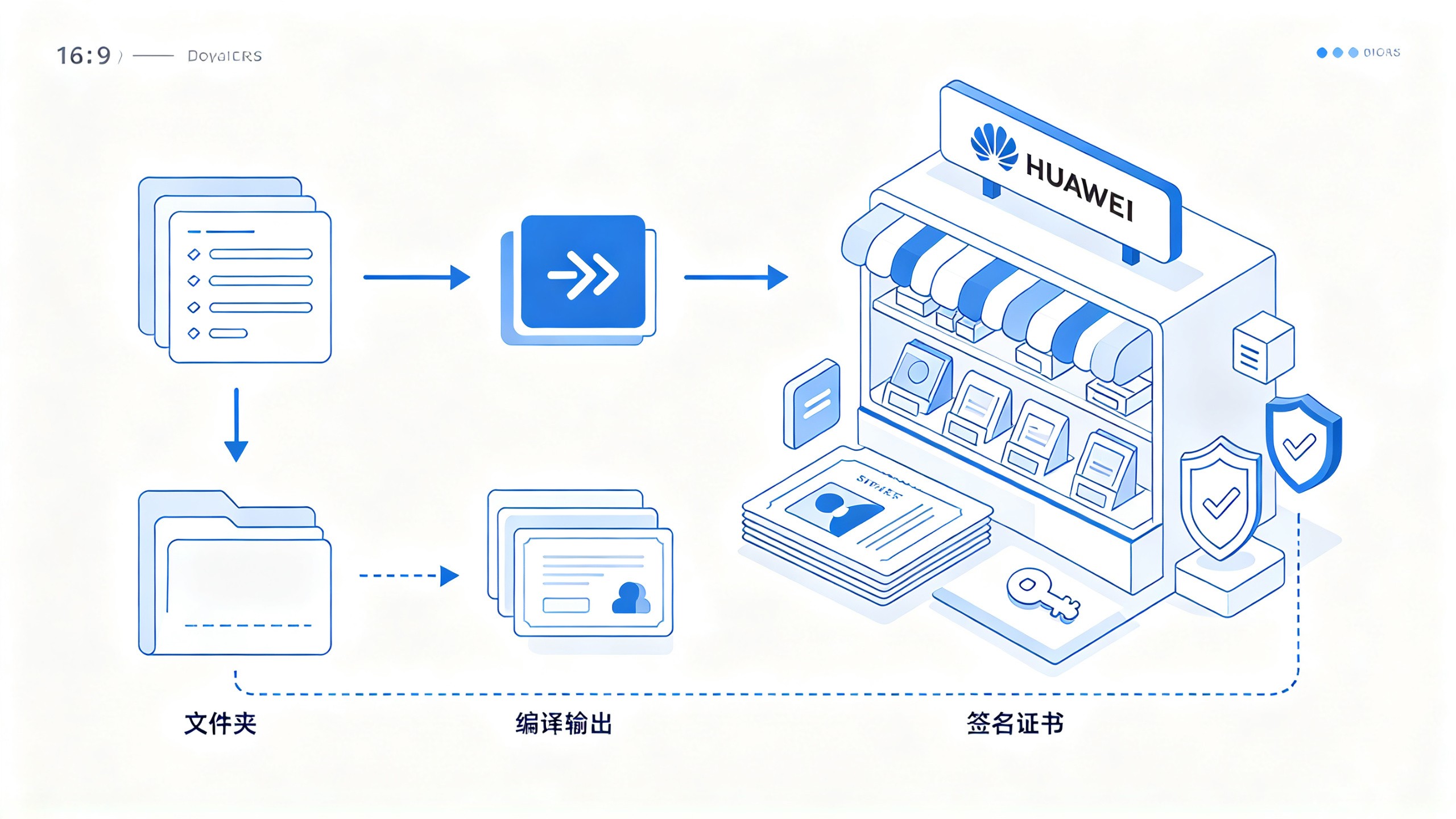
开发完成后,最关键的一步就是把代码变成可以被应用市场接受的正式包。在 HBuilderX 里点击“发行”菜单,选择鸿蒙 Next 打包,编译器会生成一个鸿蒙工程。重点来了:这个工程不是最终的发布包,它还需要用 DevEco Studio 打开并完成正式签名,才会生成可以上架的应用文件。
签名的具体流程是:在华为开发者后台创建一个应用,拿到应用的 App ID,然后生成公私钥证书和 Profile 描述文件。在 DevEco Studio 的签名配置界面里,把这些信息填进去,Build 时选择 Release 模式,系统会自动完成签名和打包。
这里有一个特别容易踩的坑:HBuilderX 里配置的 manifest.json 中的应用 ID,必须和 DevEco Studio 里签名用的应用 ID 完全一致,一个字符都不能差。我第一次打包时把应用 ID 填错了一个下划线,导致构建出来的包安装时报签名无效,排查了一个小时才找到问题。
5.2 上架流程与审核材料清单
上架鸿蒙应用市场需要提前准备的材料,比想象中要多,我整理了一份清单:
华为开发者账号(个人开发者即可,需实名认证)
应用基本信息:名称、简介、关键词、分类
应用图标:要求高清、无圆角,建议准备 1024x1024
应用截图:通常需要 3-5 张,要求包含主要功能界面,分辨率要按上架要求生成
软件著作权证书:如果软件是自主研发,建议申请软著,审核更快
测试账号说明:如果应用有登录功能,需要向审核人员提供测试账号。
提交审核页面在 AppGallery Connect 后台,创建应用后依次填写信息、上传包。整个上传界面很清晰,按步骤走就行,需要注意的是“隐私政策”栏目,如果只填一个网页链接,审核人员手动访问打不开,大概率会被驳回。
5.3 审核驳回的常见原因与避坑
我身边几个朋友上架鸿蒙应用,被驳回的原因高度集中在以下几类:
权限声明与实际功能不符。这是最大的一类驳回原因。比如你声明了读取位置权限,但应用里根本没有地点相关功能。所以打包前把 manifest 里的权限再检查一遍,该删的删。
隐私政策链接无法访问。
截图上显示的是开发数据。审核人员看不到真实业务内容,会觉得应用不完整。上架截图里的数据一定要真实、干净,不要用“假数据测试”这样的文案。
应用内出现“测试版”“Beta”字样。部分审核严格时,带测试字样的应用会被认为未完成。
避坑建议:提交审核前,自己按审核人员的视角走一遍完整流程:注册登录、看功能、测试权限弹窗、查隐私政策链接。发现问题先自行处理后,再审一次,通过率会高很多。
6. 常见问题速查表与个人体会
6.1 高频问题排查速查表
| 问题 | 可能原因 |
|---|
解决思路
| | 运行到鸿蒙提示找不到 SDK | HBuilderX 未配置 DevEco Studio 的 SDK 路径 |
|---|
在 HBuilderX 设置里填写 SDK 路径,确保版本匹配
| | 页面白屏 | 路由配置不对或入口文件挂了 |
|---|
检查 pages.json 首页路径、main.js 是否有语法错误
| | uni.request 请求失败 | 接口不是 HTTPS 或证书不受信 |
|---|
切换 HTTPS 接口,确认证书链完整
| | 真机安装失败 | 调试证书未配置或应用 ID 不一致 |
|---|
在 DevEco Studio 里重新配置签名,确认 ID 与 manifest 一致
| | 上架审核被驳回 | 权限与功能不符、隐私政策不可访问 |
|---|
|
这个速查表是我在整套开发流程里真实遇到过的场景。最让我意外的是“应用 ID 不一致”这个问题,它不会在开发阶段暴露,只要是打正式包就必然出现,而新手第一时间根本想不到是签名配置的锅。
6.2 跑通第一版后的几点个人体会
整个项目从零到上架,我做下来最大的感受是:技术难度其实没有想象中大,真正花时间的是处理各种工具链衔接和审核规范。uni-app 本身已经把 90% 的跨端复杂度隐藏掉了,剩下的 10% 集中在鸿蒙编译链路和上架环节。
如果你正准备起步,我的建议是从一个小工具应用开始,比如一个计算器、一个汇率查询、一个待办清单。先把“HBuilderX 写页面 → 编译成鸿蒙工程 → DevEco Studio 签名 → 真机运行 → 打包上架”这一整条链路跑通一次,再去做复杂业务。
最后分享一个我在调试时的小技巧:在 App.vue 的 onLaunch 里,把系统版本、设备型号、屏幕宽度这些参数打一条日志,整理成一个对象存到全局。后面所有页面遇到兼容性问题时,先看这个对象里的参数,再决定是否要做条件判断。这个习惯帮我少走了不少弯路,也让我在追查线上问题时多了一条判断依据。
收起阅读 »
鸿蒙化适配 react-native-torch:模拟器无闪光灯,依赖硬件的三方库该怎么验证
本文记录把 react-native-torch(手电筒 / 相机闪光灯控制)适配到 HarmonyOS 的完整过程,涵盖版本对齐、原生实现走查、接入宿主、构建运行,以及依赖硬件的库在模拟器上究竟该怎么验证。
react-native-torch 的 API 只有两个,却是个典型例子:它控制的是一块模拟器上根本不存在的硬件。这类库的适配难点不在代码量,而在“什么算验证通过”。

一、先说结论
项 | 结果 |
上游最新版 | 1.2.0 |
是否带原生实现 | 是(ArkTS TurboModule,不是纯 JS) |
是否依赖硬件 | 是,依赖相机闪光灯 |
公开 API | switchState(enabled)、requestCameraPermission(title?, message?),都返回 Promise |
是否需要声明权限 | 不需要(连 ohos.permission.CAMERA 都用不上) |
原生实现体量 | ArkTS 侧 19 行,HAR 包 2,875 字节 |
编译是否通过 | ✅ assembleHap 成功,HAP 从 80,714,316 增至 80,867,227 字节(+152,911 ≈ 149 KB) |
原生是否注册 | ✅ 日志 TM created: RCTTorch |
软件层断言 | ✅ 13 / 13 通过(契约 6 + 参数守卫 7) |
硬件层结论 | ⚠️ 本机没有闪光灯,四次调用全部以 ERR_TORCH_UNAVAILABLE 拒绝——没有返回 true 假装成功 |
一句话结论:这个库不需要权限、实现只有 19 行、接入后正常注册;但它要控制的闪光灯在这台设备上并不存在,所以“灯亮不亮”无法在本轮验证——本轮真正验证到的,是它在硬件不支持时会明确报错,而不是假装成功。这两件事必须分开说。
二、判定过程
适配前先回答三个问题。
2.1 这个库需要鸿蒙化吗
看源码就知道必须:
// src/NativeTorch.ts
import type {TurboModule} from 'react-native';
import {TurboModuleRegistry} from 'react-native';

export interface Spec extends TurboModule {
  switchState(enabled: boolean): Promise<boolean>;
  requestCameraPermission(title?: string, message?: string): Promise<boolean>;
}

export default TurboModuleRegistry.getEnforcing<Spec>('RCTTorch');
getEnforcing 意味着取不到原生模块就直接抛错,没有 JS 兜底实现。而 react-native-torch 上游只提供 Android 与 iOS 原生代码,鸿蒙上没有 RCTTorch 这个名字的模块——所以必须补一个鸿蒙原生实现。
这里和纯 JS 库的分界线很清楚:纯 JS 库只要能跑通就直接可用,而这类库不补原生实现就必然报错。
2.2 上游版本核对
npm view react-native-torch version # 1.2.0拿到鸿蒙适配包后对比到上游基线,版本一致,没有落后。
2.3 交付包里该有的信息都在
spec.json 里有 upstream 仓库地址,也有 upstreamCommit 基线 commit——两样都记了,意味着后续上游改动时能确定该合到哪个点,这次适配的可追溯性是完整的。
validation 里还明确写了能力边界,其中一条很关键:
返回 true 不表示设备一定有闪光灯。
交付包自己先把这件事说清楚了,这一点很重要——它没有让调用方误以为“switchState 返回 true = 灯亮了”。
三、适配实现:先查支持性,再下发命令
原生实现全文:
// harmony/torch/src/main/ets/RCTTorchTurboModule.ts
import camera from '@ohos.multimedia.camera';
import { UITurboModule } from '@rnoh/react-native-openharmony/ts';

export class RCTTorchTurboModule extends UITurboModule {
  async switchState(enabled: boolean): Promise<boolean> {
    const manager = camera.getCameraManager(this.ctx.uiAbilityContext);
    const mode = enabled ? camera.TorchMode.ON : camera.TorchMode.OFF;
    if (!manager.isTorchSupported() || !manager.isTorchModeSupported(mode)) {
      throw new Error('ERR_TORCH_UNAVAILABLE: flashlight mode is not supported');
    }
    manager.setTorchMode(mode);
    return true;
  }

  async requestCameraPermission(): Promise<boolean> {
    // HarmonyOS CameraManager torch APIs do not require CAMERA permission
    // or open a camera input.
    return true;
  }
}
三个设计点值得展开。
3.1 支持性检查必须在下发命令之前
if (!manager.isTorchSupported() || !manager.isTorchModeSupported(mode)) {
  throw new Error('ERR_TORCH_UNAVAILABLE: ...');
}
manager.setTorchMode(mode);
这里做了两层检查:
- isTorchSupported() —— 这台设备有没有闪光灯;
- isTorchModeSupported(mode) —— 这个模式(ON / OFF)支不支持。
两层检查是必要的,因为有些设备的闪光灯只支持常亮、不支持闪烁(或反过来),“有闪光灯”并不等于“这个模式可用”。
检查失败时抛出的是带前缀的明确错误(ERR_TORCH_UNAVAILABLE),调用方能靠字符串识别并走降级逻辑。这一点比“静默返回 false”好得多——静默失败会让调用方以为操作成功了。
3.2 它不打开相机、不采集图像
实现里出现的相机 API 只有四个:
getCameraManager / isTorchSupported / isTorchModeSupported / setTorchMode没有 createCameraInput、没有 createCaptureSession、没有预览流。这是静态就能查清的事实,也是理解“为什么不需要 CAMERA 权限”的钥匙——它只借用 CameraManager 的手电接口,不碰相机采集链路。
3.3 JS 侧的参数守卫是"被拒绝的 Promise"
上游 JS 层保留了类型校验:
async function switchState(enabled: boolean): Promise<boolean> {
  if (typeof enabled !== 'boolean') {
    throw new TypeError('Torch.switchState expects a boolean');
  }
  return NativeTorch.switchState(enabled);
}
注意它在 async 函数里,所以抛出的是一个被拒绝的 Promise,而不是同步异常。这意味着:
// ❌ 抓不到
try { Torch.switchState(1); } catch (e) {}

// ✅ 这样才抓得到
await Torch.switchState(1).catch(e => console.log(e.message));
这个细节在本轮验证中被实际确认过——参数守卫组的断言必须用 await 才能捕获到 TypeError。调用方如果按同步异常来写 try/catch,会漏掉所有参数错误。
四、requestCameraPermission() 为什么直接返回 true
这个方法最容易引起误解。它在 Android 上的语义是弹出系统相机授权框,所以返回值表示“用户授权了没有”。到了鸿蒙,实现直接写成:
async requestCameraPermission(): Promise<boolean> {
  return true;
}
为什么可以这样写?
因为鸿蒙的手电筒 API 走的是 CameraManager,既不要求声明 ohos.permission.CAMERA,也不打开相机输入。既然没有权限可申请,也就没有授权框可弹——直接返回 true 表示"没有权限障碍,你继续调 switchState 就行"。
这个 true 的含义要读准:
它表示 | 它不表示 |
不存在权限障碍 | 设备一定有闪光灯 |
可以继续调用 switchState | 闪光灯能被点亮 |
保留了上游接口的兼容性 | Android 上的授权弹窗行为也一致 |
交付包 README 专门写了这个限定,这一点做得很诚实。如果调用方把 requestCameraPermission() === true 当成"硬件可用"的判据,就会在无闪光灯设备上做出错误决策——正确的判据是 switchState 是否成功,而不是权限方法是否返回 true。
五、接入宿主
宿主工程是一个已经运行起来的 RNOH 示例应用。接入这个库要改四处:
文件 | 改动 |
package.json | 加 "react-native-torch": "file:../react-native-torch" |
metro.config.js | watchFolders 增加该库的绝对路径 |
index.js | import 测试页并注册 |
harmony/entry/oh-package.json5 | 手工加 HAR 依赖 |
第四处是唯一需要留神的:
"@react-native-ohos/react-native-torch": "file:../../node_modules/react-native-torch/harmony/torch.har"自动链接工具不会写这一处。它会把 package.json 的依赖关系和 Metro 的模块解析处理好,日志里也会报 linked 9 libraries,但模块级的 oh-package.json5 依赖需要手工补——漏了这一步,编译期就会在 CMake / ohpm 阶段报找不到包。
这一点交付包的 README 里也专门提醒了,写成了一句很实在的话:
若宿主 CMake 的 OH_MODULES_DIR 指向 entry/oh_modules,还需在 harmony/entry/oh-package.json5 添加 HAR 依赖……不能据 link 成功省略这一步。
这类“工具链不会代劳的一步”是接入环节最容易踩的坑:link-harmony 成功不代表接线完成,得认准编译产物里到底有没有这个包。
另一个刻意的选择:没有改 harmony/entry/src/main/module.json5。宿主的 requestPermissions 里只有:
"requestPermissions": [
  { "name": "ohos.permission.INTERNET" },
  { "name": "ohos.permission.VIBRATE" }
]
没有 ohos.permission.CAMERA——保持原样,因为本库不需要。这一点后来还成了一个有用的旁证,见第七节。
关于换测试页
宿主用一个启动参数(rnAppKey)决定加载哪个测试页。这个参数只在冷启动时生效,所以换页必须:
hdc shell aa force-stop com.rnoh084.demo
hdc shell aa start -b com.rnoh084.demo -a EntryAbility --ps rnAppKey TorchTestApp
force-stop 不能省。少了它,应用还活着,新参数不会重新读取,你会一直在看旧页面——而且页面长得没错,很容易误判。
六、构建与运行
# 1. 装依赖
npm install

# 2. 自动链接
node_modules\.bin\react-native link-harmony        # linked 9 libraries

# 3. 装 HAR(在 harmony/ 目录)
ohpm install --all

# 4. 出 bundle
npm run dev

# 5. 打 HAP
hvigorw --mode module -p product=default -p module=entry@default assembleHap --no-daemon
编译结果:
项 | 数值 |
首次 assembleHap 耗时 | 6 分 39 秒 |
HAP 变化 | 80,714,316 → 80,867,227 字节(+152,911 ≈ 149 KB) |
原生注册日志 | #RNOH_ARK ... TM created: RCTTorch |
二次重编(改了一条断言) | 6 分 27 秒,HAP 80,867,224 字节 |
两个数量级上的观察:
- 149 KB vs 2,875 字节的 HAR:HAR 本身极小,但会连带拉起相机相关的能力声明与依赖,所以最终产物增量比 HAR 大两个数量级。别拿 HAR 体积估增量。
- 编译耗时基本由 ABI / CMake 阶段决定,跟这个库没关系:加 19 行 ArkTS 不会让编译从 2 分钟变成 6 分钟,这 6 分钟是 RNOH 工程本身的量级,做集成排期时要按这个数留时间。
日志里的 #RNOH_ARK 标签说明这是 ArkTS 侧 TurboModule(不是纯 C++ TurboModule,也不是 JSI)。这个区别在排查时有用:ArkTS 模块的问题看 ArkTS 日志,纯 C++ 模块才有 #RNOH_CPP 的 TurboModuleFactory.cpp 记录。
七、验证设计:依赖硬件的库在模拟器上怎么验
这是本文最重要的一节。

7.1 问题:灯亮不亮,模拟器答不了
模拟器(Pura X View,ohos-x64)没有闪光灯硬件。这意味着一件事:
switchState(true) 之后“灯是否真的亮了”,在模拟器上永远无法验证。
如果验证方案写成“调用 switchState(true),断言返回 true”,那么在这个环境下必然失败——但这个失败不是库的问题。反过来,如果为了让测试通过而放宽断言,又会遮盖真正该测的东西。
所以验证设计的关键是换一个落点。
7.2 换落点:从"硬件是否动作"换到"行为是否正确"
既然“能不能亮”验不了,那就验能验的、而且同样重要的:
硬件不支持时,它是明确失败,还是返回 true 假装成功?
这个问题在模拟器上完全可以验证,而且它比“灯能不能亮”更接近库的真实质量——因为调用方写降级逻辑时,依赖的正是“失败能被感知到”这件事。一个在无硬件时静默返回 true 的库,会让调用方以为灯亮了,这比报错糟糕得多。
于是把验证分成三层:
层 | 能验吗 | 内容 |
A. 契约与类型 | ✅ 完全可验 | 两个方法存在、返回 Promise、权限方法解析为 true |
B. JS 侧参数守卫 | ✅ 完全可验 | 非布尔参数必须以 TypeError 拒绝(6 种取值) |
C. 硬件相关行为 | ⚠️ 只记录,不断言“应当成功” | 实测结局,重点看是明确失败还是假装成功 |
A、B 两层进通过率,C 层如实记录。这样通过率是有意义的(13 / 13),同时不掩盖硬件未验证的事实。
7.3 A 组:契约与类型(6 项,全通过)
断言 | 结果 |
switchState 是 function | ✅ |
requestCameraPermission 是 function | ✅ |
requestCameraPermission() 返回 Promise | ✅ |
requestCameraPermission() 解析为 true | ✅ |
switchState(true) 返回 Promise | ✅ |
switchState(false) 返回 Promise | ✅ |
这里有个细节让这组在无硬件时依然成立:switchState 是 async 函数,无论内部成功还是抛错,返回的一定是 Promise。 因此,“返回 Promise”这条断言与硬件无关,可以放心验证。
7.4 B 组:参数守卫(7 项,全通过)
非布尔参数必须以 TypeError 拒绝:
传入值 | 结果 |
undefined | ✅ TypeError |
null | ✅ TypeError |
0 | ✅ TypeError |
1 | ✅ TypeError |
"true" | ✅ TypeError |
{} | ✅ TypeError |
非法参数之后,合法调用不再被参数守卫拦住 | ✅ |
最后一条值得单独说,因为它让我改过一次断言。
初版我把它写成"非法参数之后调用应当成功"。结果在本机失败——因为无闪光灯时,合法调用会以 ERR_TORCH_UNAVAILABLE 拒绝。那是正确的硬件行为,不是参数问题,但我的断言把两件事混在了一起。
改判据后:只检查结果里不再出现 TypeError,不管它最终是成功还是因硬件拒绝——这样断言只依赖"参数守卫"这一个契约,与环境能力无关。
教训:测试断言不能隐含"环境具备某能力"这个前提。
断言应该只依赖被测代码的契约,不依赖环境能力。如果确实要断言环境,就把它单独成组并如实记录,而不是混进通过率里——否则通过率会随设备变化,失去意义。
7.5 C 组:硬件相关行为(如实记录)
四次调用的实测结果:
硬件|switchState(true)        拒绝:ERR_TORCH_UNAVAILABLE: flashlight mode is not supported
硬件|switchState(false)       拒绝:ERR_TORCH_UNAVAILABLE: flashlight mode is not supported
硬件|switchState(true) 第二次   拒绝:ERR_TORCH_UNAVAILABLE: flashlight mode is not supported
硬件|switchState(false) 第二次  拒绝:ERR_TORCH_UNAVAILABLE: flashlight mode is not supported
硬件|两轮结果是否一致:是
硬件|四次调用是否都以 ERR_TORCH_UNAVAILABLE 拒绝:是
硬件|硬件不支持时是否返回 true 假装成功:否(明确失败)
后两条是页面从实测结果动态推导出来的,不是写死的文案——这样它们才是断言,而不是修饰。
两个结论:
- 本机确实没有闪光灯 —— 四次调用全部走到"不支持"分支,两轮一致;
- 库的行为是对的 —— 硬件不支持时明确拒绝,没有返回 true 假装成功。
第 2 条才是本轮真正验证到的东西,而它恰好是模拟器能验证、也最应该验证的那一条。
7.6 两个独立旁证
断言之外还找了两个不依赖测试页的旁证,用来交叉验证“确实没碰硬件”。
旁证一:相机服务侧没有任何日志。
在两次调用前后抓取 hilog,没有相机服务的任何记录。这和代码路径完全一致:isTorchSupported() 检查失败就抛错了,从未执行到 setTorchMode,所以系统侧没有动作可记录。
如果代码是“先下发命令再检查结果”,就会看到系统侧有响应——日志的有无,正好反证了检查发生在命令之前。
旁证二:没有 CAMERA 权限,错误类型却是“硬件不支持”。
宿主 module.json5 里没有声明 ohos.permission.CAMERA,而 switchState 返回的是:
ERR_TORCH_UNAVAILABLE: flashlight mode is not supported是“不支持”,不是“无权限”。如果是权限问题,报错应该是权限拒绝;既然系统先给出了硬件不支持的判断,就说明这条调用路径根本没走到权限校验——独立印证了“鸿蒙手电 API 不需要相机权限”这个结论。
这两个旁证的价值在于:它们不来自我的测试代码。一个来自系统日志,一个来自工程配置,都是外部事实。
7.7 关于测试页本身
测试页沿用了一个统一的断言夹具:每条断言用 record(组名, 描述, 期望, 实际) 记录,最后按组汇总“通过 / 失败”。硬件行为单独成组,不计入通过率。页面根节点包在 SafeAreaView 里避免被状态栏遮挡,日志统一带 [torch-test] 前缀方便过滤。
另外,C 组的两个推导结论是运行时算出来的:
四次调用是否都以 ERR_TORCH_UNAVAILABLE 拒绝:是
硬件不支持时是否返回 true 假装成功:否(明确失败)
这样做的好处是——换一台有闪光灯的设备跑,这两行会自动变成“否”和“不适用”,而不会继续打印“是”。写死的文案会骗人,动态推导不会。
八、真机验证:哪些验过了,哪些没验
这一节必须写清楚,因为这是本轮最容易被含糊过去的地方。
8.1 已验证
项 | 证据 |
两个方法的契约与类型 | A 组 6 条断言全通过 |
JS 侧参数守卫(6 种非布尔值) | B 组 7 条断言全通过 |
原生模块成功注册 | hilog 中 TM created: RCTTorch |
模块是 ArkTS 实现 | 日志标签为 #RNOH_ARK |
硬件不支持时的失败模式 | C 组:四次调用全部以 ERR_TORCH_UNAVAILABLE 明确拒绝,未返回 true 假装成功,两轮一致 |
失败发生命令下发之前 | 相机服务侧无任何 hilog 记录 |
手电 API 不需要 CAMERA 权限 | 宿主无该权限声明,错误类型仍是“硬件不支持”而非“无权限” |
编译与产物 | assembleHap 成功,HAP +149 KB |
8.2 未验证(本轮无法验证)
项 | 为什么没验 |
闪光灯是否真的会亮 | 本机没有闪光灯硬件,无法验证 |
开启 / 关闭的实际硬件状态 | 需要真机,并需要查看系统侧的手电状态事件 |
相机被其他应用占用时的失败路径 | 需要真实硬件与占用场景 |
其他 ROM / 平板 / 无闪光灯真机的差异 | 只有一台模拟器 |
亮灯时的功耗与发热 | 无硬件 |
8.3 为什么要分开写
因为这两类事的可信度完全不同。
- 把"已验证"说成"适配成功、功能正常"是过度声明——灯到底亮不亮,我没验过;
- 把"未验证"含糊成"应该没问题",会让下一位使用者踩坑;
- 反过来,把"硬件不支持时正确报错"也归入未验证,又低估了本轮的实际成果。
准确的表述是:软件层全通过,硬件动作未验证,但硬件不支持时的失败模式已确认为正确。
九、已知限制
- 模拟器没有闪光灯,"点亮"无法验证。这是本轮最大的空白,需要真机补充。
- requestCameraPermission() 恒返回 true,是兼容桩而非硬件探测。它的返回值不能当作"硬件可用"的判据。调用方应改用 switchState 是否成功来判断。
- 无权限声明的结论只在本轮环境成立。本轮验证了"不声明 CAMERA 权限也能走到硬件检查",但没有验证其他 ROM 上是否同样如此。
- 未做跨平台对照。本轮只验证鸿蒙,没有对比 Android / iOS 上同一接口的行为差异(特别是 requestCameraPermission 的弹窗语义)。
- ERR_TORCH_UNAVAILABLE 是字符串前缀,不是错误码。调用方靠自己匹配字符串来识别,匹配时要考虑前缀而非全等,否则错误文案微调就会破坏降级逻辑。
- 单设备、单次运行。只在一台模拟器上跑过,没有压力测试、没有并发调用场景、没有反复快速切换。
- 未改动库代码,也未发现缺陷。本轮唯一一次失败是我自己测试页的断言写错了(隐含了"硬件存在"的前提),修正后通过。
十、常见问题
Q1:调用 switchState(true) 报 ERR_TORCH_UNAVAILABLE,是适配坏了吗?
不一定。先确认设备有没有闪光灯——模拟器上、平板上、很多无闪光灯设备上,这个错误是正确行为。这个库的设计就是"没有闪光灯就明确报错",而不是静默成功。
Q2:requestCameraPermission() 返回 true 了,为什么 switchState 还是失败?
因为这两件事无关。true 表示"不存在权限障碍",不表示设备有闪光灯。在鸿蒙上手电 API 根本不需要相机权限,所以这个方法只是个兼容桩。
Q3:需要声明 ohos.permission.CAMERA 吗?
本库不需要,本轮实测没有声明也能正常走到硬件检查。但如果你的应用自己还要做拍照、录像,那当然要声明——那是另一条采集链路的事。
Q4:为什么 try { Torch.switchState(1) } catch {} 抓不到参数错误?
因为 JS 守卫在 async 函数里,抛出的是被拒绝的 Promise。必须 await 或 .catch():
await Torch.switchState(1).catch(e => console.log(e.message));Q5:link-harmony 报链接成功,编译还是找不到包?
检查 harmony/entry/oh-package.json5 有没有手工加上 HAR 依赖。自动链接工具不写模块级的这一处,漏了就报找不到包——这不是链接失败,是链接没覆盖到这里。
Q6:换了测试页代码,界面还是旧的?
rnAppKey 这类启动参数只在冷启动生效。先 aa force-stop 再 aa start,否则一直在看旧页面。
Q7:怎么在自己设备上确认闪光灯到底能不能用?
别信权限方法,直接试:
try {
  await Torch.switchState(true);
  console.log('下发成功');        // 注意:命令被接受,不代表灯一定亮了
} catch (e) {
  console.log('不可用:', e.message);
}
注意日志里的措辞——即使返回成功,也只表示"命令被系统接受";要确认灯真的亮了,得看设备本身。这个区分在交付包的 README 里也写明了。
Q8:编译要 6 分多钟,是不是这个库太重?
不是。这 6 分钟是 RNOH 工程本身 ABI / CMake 阶段的量级,跟 19 行 ArkTS 无关。HAR 只有 2,875 字节,但最终 HAP 增了 149 KB——别拿 HAR 体积估算集成增量。
小结
react-native-torch 是个小库:两个 API、19 行原生实现、不需要任何权限。但它在方法论上给了一个很典型的题目——当库依赖的硬件在你手上不存在时,验证该怎么做?
这次的做法是:
- 把验证分层。 契约与参数守卫(A、B)完全可验,计入通过率;硬件行为(C)只记录、不断言“应当成功”。
- 换验证落点。 既然“灯亮不亮”验不了,就验**“硬件不支持时是否明确失败,而不是返回 true 假装成功”**——这一条模拟器能验,而且比“能不能亮”更接近库的质量。
- 找不依赖测试代码的旁证。 相机服务无日志(证明检查发生在命令下发之前)、无 CAMERA 权限却报“硬件不支持”(证明这条路径不需要相机权限)——两个都来自系统日志和工程配置,不是我自己的断言。
- 把“已验证”和“未验证”分开写。 软件层全通过是真的,硬件动作没验也是真的,不能混成一句“适配成功”。
另外两条从实践中得来的经验:
- 断言不能隐含“环境具备某能力”。 我初版把“非法参数之后调用应当成功”写成断言,在有闪光灯的机器上会过,在这台机器上必然失败。断言只该依赖被测代码的契约,否则通过率会随设备漂移,失去意义。
- requestCameraPermission() 返回 true 不是硬件探针。 它是权限语义上的“没有障碍”,把两者混为一谈,就会在无硬件设备上做出错误决策。
还有一点关于交付包:它自己在 README 里就写清了“返回 true 不表示设备一定有闪光灯”,并且诚实声明了哪些场景是 mock 验证、哪些没做真机覆盖。 一个交付包能主动划出自己的能力边界,比它多写几个 API 有用得多——因为使用者正是靠这句话避免误判的。
本篇用到的库
项 | 内容 |
三方库 | react-native-torch(上游 1.2.0 的鸿蒙适配版) |
适配仓库 | https://atomgit.com/oh-react-native/react-native-torch |
适配 TAG | 1.2.0-ohos-1.0.0 |
ohpm 包名 | @react-native-ohos/react-native-torch |
HAR | harmony/torch.har(2,875 字节) |
原生模块名 | RCTTorch(ArkTS TurboModule,日志标签 #RNOH_ARK) |
是否需要权限 | 不需要 |
上游仓库 | https://github.com/ludo/react-native-torch(基线 commit 957db6330a0afd09455e42ce6537e0ca69518e3c,MIT) |
宿主工程 | RNOH084Demo(测试页 rnAppKey = TorchTestApp) |
接入方式:
// harmony/entry/oh-package.json5(需手工添加)
"@react-native-ohos/react-native-torch": "file:../../node_modules/react-native-torch/harmony/torch.har"
import Torch from 'react-native-torch';
await Torch.requestCameraPermission(); // 鸿蒙上恒为 true,仅表"无权限障碍"
try {
await Torch.switchState(true); // 成功只代表命令被系统接受
} catch (e) {
// 无闪光灯设备会抛 ERR_TORCH_UNAVAILABLE
console.log(String(e));
}
await Torch.switchState(false);# 换页启动测试页(force-stop 不能省,换页参数只在冷启动生效)
hdc shell aa force-stop com.rnoh084.demo
hdc shell aa start -b com.rnoh084.demo -a EntryAbility --ps rnAppKey TorchTestApp验证环境
项 | 版本 |
React Native | 0.84.1 |
React | 19.2.3 |
RNOH(npm / ohpm) | @react-native-oh/react-native-harmony / @rnoh/react-native-openharmony 0.84.3 |
Node.js | v24.14.0 |
DevEco Studio | 26.0.0.621 |
HarmonyOS SDK | API 26(26.0.0.32) |
设备 | HarmonyOS 7.0.0(26.0.0) Beta2 模拟器 Pura X View(ohos-x64)——无闪光灯硬件 |
宿主 HAP 产物 | entry-default-signed.hap(80.87 MB) |
本次增量构建 | assembleHap 6 分 39 秒,HAP +149 KB |
验证规模 | 设备侧软件层 13 项断言全部通过;硬件行为组 4 次调用如实记录(全部 ERR_TORCH_UNAVAILABLE) |
欢迎加入 CPF-RN 鸿蒙社区:https://atomgit.com/CPF-RN
React Native for OpenHarmony 组织:https://atomgit.com/oh-react-native
RN 三方库鸿蒙适配清单:https://atomgit.com/oh-react-native/rn-ohos-adaptation-overview
本文记录把 react-native-torch(手电筒 / 相机闪光灯控制)适配到 HarmonyOS 的完整过程,涵盖版本对齐、原生实现走查、接入宿主、构建运行,以及依赖硬件的库在模拟器上究竟该怎么验证。
react-native-torch 的 API 只有两个,却是个典型例子:它控制的是一块模拟器上根本不存在的硬件。这类库的适配难点不在代码量,而在“什么算验证通过”。
一、先说结论
项 | 结果 |
上游最新版 | 1.2.0 |
是否带原生实现 | 是(ArkTS TurboModule,不是纯 JS) |
是否依赖硬件 | 是,依赖相机闪光灯 |
公开 API | switchState(enabled)、requestCameraPermission(title?, message?),都返回 Promise |
是否需要声明权限 | 不需要(连 ohos.permission.CAMERA 都用不上) |
原生实现体量 | ArkTS 侧 19 行,HAR 包 2,875 字节 |
编译是否通过 | ✅ assembleHap 成功,HAP 从 80,714,316 增至 80,867,227 字节(+152,911 ≈ 149 KB) |
原生是否注册 | ✅ 日志 TM created: RCTTorch |
软件层断言 | ✅ 13 / 13 通过(契约 6 + 参数守卫 7) |
硬件层结论 | ⚠️ 本机没有闪光灯,四次调用全部以 ERR_TORCH_UNAVAILABLE 拒绝——没有返回 true 假装成功 |
一句话结论:这个库不需要权限、实现只有 19 行、接入后正常注册;但它要控制的闪光灯在这台设备上并不存在,所以“灯亮不亮”无法在本轮验证——本轮真正验证到的,是它在硬件不支持时会明确报错,而不是假装成功。这两件事必须分开说。
二、判定过程
适配前先回答三个问题。
2.1 这个库需要鸿蒙化吗
看源码就知道必须:
// src/NativeTorch.ts
import type {TurboModule} from 'react-native';
import {TurboModuleRegistry} from 'react-native';

export interface Spec extends TurboModule {
  switchState(enabled: boolean): Promise<boolean>;
  requestCameraPermission(title?: string, message?: string): Promise<boolean>;
}

export default TurboModuleRegistry.getEnforcing<Spec>('RCTTorch');
getEnforcing 意味着取不到原生模块就直接抛错,没有 JS 兜底实现。而 react-native-torch 上游只提供 Android 与 iOS 原生代码,鸿蒙上没有 RCTTorch 这个名字的模块——所以必须补一个鸿蒙原生实现。
这里和纯 JS 库的分界线很清楚:纯 JS 库只要能跑通就直接可用,而这类库不补原生实现就必然报错。
2.2 上游版本核对
npm view react-native-torch version # 1.2.0拿到鸿蒙适配包后对比到上游基线,版本一致,没有落后。
2.3 交付包里该有的信息都在
spec.json 里有 upstream 仓库地址,也有 upstreamCommit 基线 commit——两样都记了,意味着后续上游改动时能确定该合到哪个点,这次适配的可追溯性是完整的。
validation 里还明确写了能力边界,其中一条很关键:
返回 true 不表示设备一定有闪光灯。
交付包自己先把这件事说清楚了,这一点很重要——它没有让调用方误以为“switchState 返回 true = 灯亮了”。
三、适配实现:先查支持性,再下发命令
原生实现全文:
// harmony/torch/src/main/ets/RCTTorchTurboModule.ts
import camera from '@ohos.multimedia.camera';
import { UITurboModule } from '@rnoh/react-native-openharmony/ts';

export class RCTTorchTurboModule extends UITurboModule {
  async switchState(enabled: boolean): Promise<boolean> {
    const manager = camera.getCameraManager(this.ctx.uiAbilityContext);
    const mode = enabled ? camera.TorchMode.ON : camera.TorchMode.OFF;
    if (!manager.isTorchSupported() || !manager.isTorchModeSupported(mode)) {
      throw new Error('ERR_TORCH_UNAVAILABLE: flashlight mode is not supported');
    }
    manager.setTorchMode(mode);
    return true;
  }

  async requestCameraPermission(): Promise<boolean> {
    // HarmonyOS CameraManager torch APIs do not require CAMERA permission
    // or open a camera input.
    return true;
  }
}
三个设计点值得展开。
3.1 支持性检查必须在下发命令之前
if (!manager.isTorchSupported() || !manager.isTorchModeSupported(mode)) {
  throw new Error('ERR_TORCH_UNAVAILABLE: ...');
}
manager.setTorchMode(mode);
这里做了两层检查:
- isTorchSupported() —— 这台设备有没有闪光灯;
- isTorchModeSupported(mode) —— 这个模式(ON / OFF)支不支持。
两层检查是必要的,因为有些设备的闪光灯只支持常亮、不支持闪烁(或反过来),“有闪光灯”并不等于“这个模式可用”。
检查失败时抛出的是带前缀的明确错误(ERR_TORCH_UNAVAILABLE),调用方能靠字符串识别并走降级逻辑。这一点比“静默返回 false”好得多——静默失败会让调用方以为操作成功了。
3.2 它不打开相机、不采集图像
实现里出现的相机 API 只有四个:
getCameraManager / isTorchSupported / isTorchModeSupported / setTorchMode没有 createCameraInput、没有 createCaptureSession、没有预览流。这是静态就能查清的事实,也是理解“为什么不需要 CAMERA 权限”的钥匙——它只借用 CameraManager 的手电接口,不碰相机采集链路。
3.3 JS 侧的参数守卫是"被拒绝的 Promise"
上游 JS 层保留了类型校验:
async function switchState(enabled: boolean): Promise<boolean> {
  if (typeof enabled !== 'boolean') {
    throw new TypeError('Torch.switchState expects a boolean');
  }
  return NativeTorch.switchState(enabled);
}
注意它在 async 函数里,所以抛出的是一个被拒绝的 Promise,而不是同步异常。这意味着:
// ❌ 抓不到
try { Torch.switchState(1); } catch (e) {}

// ✅ 这样才抓得到
await Torch.switchState(1).catch(e => console.log(e.message));
这个细节在本轮验证中被实际确认过——参数守卫组的断言必须用 await 才能捕获到 TypeError。调用方如果按同步异常来写 try/catch,会漏掉所有参数错误。
四、requestCameraPermission() 为什么直接返回 true
这个方法最容易引起误解。它在 Android 上的语义是弹出系统相机授权框,所以返回值表示“用户授权了没有”。到了鸿蒙,实现直接写成:
async requestCameraPermission(): Promise<boolean> {
  return true;
}
为什么可以这样写?
因为鸿蒙的手电筒 API 走的是 CameraManager,既不要求声明 ohos.permission.CAMERA,也不打开相机输入。既然没有权限可申请,也就没有授权框可弹——直接返回 true 表示"没有权限障碍,你继续调 switchState 就行"。
这个 true 的含义要读准:
它表示 | 它不表示 |
不存在权限障碍 | 设备一定有闪光灯 |
可以继续调用 switchState | 闪光灯能被点亮 |
保留了上游接口的兼容性 | Android 上的授权弹窗行为也一致 |
交付包 README 专门写了这个限定,这一点做得很诚实。如果调用方把 requestCameraPermission() === true 当成"硬件可用"的判据,就会在无闪光灯设备上做出错误决策——正确的判据是 switchState 是否成功,而不是权限方法是否返回 true。
五、接入宿主
宿主工程是一个已经运行起来的 RNOH 示例应用。接入这个库要改四处:
文件 | 改动 |
package.json | 加 "react-native-torch": "file:../react-native-torch" |
metro.config.js | watchFolders 增加该库的绝对路径 |
index.js | import 测试页并注册 |
harmony/entry/oh-package.json5 | 手工加 HAR 依赖 |
第四处是唯一需要留神的:
"@react-native-ohos/react-native-torch": "file:../../node_modules/react-native-torch/harmony/torch.har"自动链接工具不会写这一处。它会把 package.json 的依赖关系和 Metro 的模块解析处理好,日志里也会报 linked 9 libraries,但模块级的 oh-package.json5 依赖需要手工补——漏了这一步,编译期就会在 CMake / ohpm 阶段报找不到包。
这一点交付包的 README 里也专门提醒了,写成了一句很实在的话:
若宿主 CMake 的 OH_MODULES_DIR 指向 entry/oh_modules,还需在 harmony/entry/oh-package.json5 添加 HAR 依赖……不能据 link 成功省略这一步。
这类“工具链不会代劳的一步”是接入环节最容易踩的坑:link-harmony 成功不代表接线完成,得认准编译产物里到底有没有这个包。
另一个刻意的选择:没有改 harmony/entry/src/main/module.json5。宿主的 requestPermissions 里只有:
"requestPermissions": [
  { "name": "ohos.permission.INTERNET" },
  { "name": "ohos.permission.VIBRATE" }
]
没有 ohos.permission.CAMERA——保持原样,因为本库不需要。这一点后来还成了一个有用的旁证,见第七节。
关于换测试页
宿主用一个启动参数(rnAppKey)决定加载哪个测试页。这个参数只在冷启动时生效,所以换页必须:
hdc shell aa force-stop com.rnoh084.demo
hdc shell aa start -b com.rnoh084.demo -a EntryAbility --ps rnAppKey TorchTestApp
force-stop 不能省。少了它,应用还活着,新参数不会重新读取,你会一直在看旧页面——而且页面长得没错,很容易误判。
六、构建与运行
# 1. 装依赖
npm install

# 2. 自动链接
node_modules\.bin\react-native link-harmony        # linked 9 libraries

# 3. 装 HAR(在 harmony/ 目录)
ohpm install --all

# 4. 出 bundle
npm run dev

# 5. 打 HAP
hvigorw --mode module -p product=default -p module=entry@default assembleHap --no-daemon
编译结果:
项 | 数值 |
首次 assembleHap 耗时 | 6 分 39 秒 |
HAP 变化 | 80,714,316 → 80,867,227 字节(+152,911 ≈ 149 KB) |
原生注册日志 | #RNOH_ARK ... TM created: RCTTorch |
二次重编(改了一条断言) | 6 分 27 秒,HAP 80,867,224 字节 |
两个数量级上的观察:
- 149 KB vs 2,875 字节的 HAR:HAR 本身极小,但会连带拉起相机相关的能力声明与依赖,所以最终产物增量比 HAR 大两个数量级。别拿 HAR 体积估增量。
- 编译耗时基本由 ABI / CMake 阶段决定,跟这个库没关系:加 19 行 ArkTS 不会让编译从 2 分钟变成 6 分钟,这 6 分钟是 RNOH 工程本身的量级,做集成排期时要按这个数留时间。
日志里的 #RNOH_ARK 标签说明这是 ArkTS 侧 TurboModule(不是纯 C++ TurboModule,也不是 JSI)。这个区别在排查时有用:ArkTS 模块的问题看 ArkTS 日志,纯 C++ 模块才有 #RNOH_CPP 的 TurboModuleFactory.cpp 记录。
七、验证设计:依赖硬件的库在模拟器上怎么验
这是本文最重要的一节。
7.1 问题:灯亮不亮,模拟器答不了
模拟器(Pura X View,ohos-x64)没有闪光灯硬件。这意味着一件事:
switchState(true) 之后“灯是否真的亮了”,在模拟器上永远无法验证。
如果验证方案写成“调用 switchState(true),断言返回 true”,那么在这个环境下必然失败——但这个失败不是库的问题。反过来,如果为了让测试通过而放宽断言,又会遮盖真正该测的东西。
所以验证设计的关键是换一个落点。
7.2 换落点:从"硬件是否动作"换到"行为是否正确"
既然“能不能亮”验不了,那就验能验的、而且同样重要的:
硬件不支持时,它是明确失败,还是返回 true 假装成功?
这个问题在模拟器上完全可以验证,而且它比“灯能不能亮”更接近库的真实质量——因为调用方写降级逻辑时,依赖的正是“失败能被感知到”这件事。一个在无硬件时静默返回 true 的库,会让调用方以为灯亮了,这比报错糟糕得多。
于是把验证分成三层:
层 | 能验吗 | 内容 |
A. 契约与类型 | ✅ 完全可验 | 两个方法存在、返回 Promise、权限方法解析为 true |
B. JS 侧参数守卫 | ✅ 完全可验 | 非布尔参数必须以 TypeError 拒绝(6 种取值) |
C. 硬件相关行为 | ⚠️ 只记录,不断言“应当成功” | 实测结局,重点看是明确失败还是假装成功 |
A、B 两层进通过率,C 层如实记录。这样通过率是有意义的(13 / 13),同时不掩盖硬件未验证的事实。
7.3 A 组:契约与类型(6 项,全通过)
断言 | 结果 |
switchState 是 function | ✅ |
requestCameraPermission 是 function | ✅ |
requestCameraPermission() 返回 Promise | ✅ |
requestCameraPermission() 解析为 true | ✅ |
switchState(true) 返回 Promise | ✅ |
switchState(false) 返回 Promise | ✅ |
这里有个细节让这组在无硬件时依然成立:switchState 是 async 函数,无论内部成功还是抛错,返回的一定是 Promise。 因此,“返回 Promise”这条断言与硬件无关,可以放心验证。
7.4 B 组:参数守卫(7 项,全通过)
非布尔参数必须以 TypeError 拒绝:
传入值 | 结果 |
undefined | ✅ TypeError |
null | ✅ TypeError |
0 | ✅ TypeError |
1 | ✅ TypeError |
"true" | ✅ TypeError |
{} | ✅ TypeError |
非法参数之后,合法调用不再被参数守卫拦住 | ✅ |
最后一条值得单独说,因为它让我改过一次断言。
初版我把它写成"非法参数之后调用应当成功"。结果在本机失败——因为无闪光灯时,合法调用会以 ERR_TORCH_UNAVAILABLE 拒绝。那是正确的硬件行为,不是参数问题,但我的断言把两件事混在了一起。
改判据后:只检查结果里不再出现 TypeError,不管它最终是成功还是因硬件拒绝——这样断言只依赖"参数守卫"这一个契约,与环境能力无关。
教训:测试断言不能隐含"环境具备某能力"这个前提。
断言应该只依赖被测代码的契约,不依赖环境能力。如果确实要断言环境,就把它单独成组并如实记录,而不是混进通过率里——否则通过率会随设备变化,失去意义。
7.5 C 组:硬件相关行为(如实记录)
四次调用的实测结果:
硬件|switchState(true)        拒绝:ERR_TORCH_UNAVAILABLE: flashlight mode is not supported
硬件|switchState(false)       拒绝:ERR_TORCH_UNAVAILABLE: flashlight mode is not supported
硬件|switchState(true) 第二次   拒绝:ERR_TORCH_UNAVAILABLE: flashlight mode is not supported
硬件|switchState(false) 第二次  拒绝:ERR_TORCH_UNAVAILABLE: flashlight mode is not supported
硬件|两轮结果是否一致:是
硬件|四次调用是否都以 ERR_TORCH_UNAVAILABLE 拒绝:是
硬件|硬件不支持时是否返回 true 假装成功:否(明确失败)
后两条是页面从实测结果动态推导出来的,不是写死的文案——这样它们才是断言,而不是修饰。
两个结论:
- 本机确实没有闪光灯 —— 四次调用全部走到"不支持"分支,两轮一致;
- 库的行为是对的 —— 硬件不支持时明确拒绝,没有返回 true 假装成功。
第 2 条才是本轮真正验证到的东西,而它恰好是模拟器能验证、也最应该验证的那一条。
7.6 两个独立旁证
断言之外还找了两个不依赖测试页的旁证,用来交叉验证“确实没碰硬件”。
旁证一:相机服务侧没有任何日志。
在两次调用前后抓取 hilog,没有相机服务的任何记录。这和代码路径完全一致:isTorchSupported() 检查失败就抛错了,从未执行到 setTorchMode,所以系统侧没有动作可记录。
如果代码是“先下发命令再检查结果”,就会看到系统侧有响应——日志的有无,正好反证了检查发生在命令之前。
旁证二:没有 CAMERA 权限,错误类型却是“硬件不支持”。
宿主 module.json5 里没有声明 ohos.permission.CAMERA,而 switchState 返回的是:
ERR_TORCH_UNAVAILABLE: flashlight mode is not supported是“不支持”,不是“无权限”。如果是权限问题,报错应该是权限拒绝;既然系统先给出了硬件不支持的判断,就说明这条调用路径根本没走到权限校验——独立印证了“鸿蒙手电 API 不需要相机权限”这个结论。
这两个旁证的价值在于:它们不来自我的测试代码。一个来自系统日志,一个来自工程配置,都是外部事实。
7.7 关于测试页本身
测试页沿用了一个统一的断言夹具:每条断言用 record(组名, 描述, 期望, 实际) 记录,最后按组汇总“通过 / 失败”。硬件行为单独成组,不计入通过率。页面根节点包在 SafeAreaView 里避免被状态栏遮挡,日志统一带 [torch-test] 前缀方便过滤。
另外,C 组的两个推导结论是运行时算出来的:
四次调用是否都以 ERR_TORCH_UNAVAILABLE 拒绝:是
硬件不支持时是否返回 true 假装成功:否(明确失败)
这样做的好处是——换一台有闪光灯的设备跑,这两行会自动变成“否”和“不适用”,而不会继续打印“是”。写死的文案会骗人,动态推导不会。
八、真机验证:哪些验过了,哪些没验
这一节必须写清楚,因为这是本轮最容易被含糊过去的地方。
8.1 已验证
项 | 证据 |
两个方法的契约与类型 | A 组 6 条断言全通过 |
JS 侧参数守卫(6 种非布尔值) | B 组 7 条断言全通过 |
原生模块成功注册 | hilog 中 TM created: RCTTorch |
模块是 ArkTS 实现 | 日志标签为 #RNOH_ARK |
硬件不支持时的失败模式 | C 组:四次调用全部以 ERR_TORCH_UNAVAILABLE 明确拒绝,未返回 true 假装成功,两轮一致 |
失败发生命令下发之前 | 相机服务侧无任何 hilog 记录 |
手电 API 不需要 CAMERA 权限 | 宿主无该权限声明,错误类型仍是“硬件不支持”而非“无权限” |
编译与产物 | assembleHap 成功,HAP +149 KB |
8.2 未验证(本轮无法验证)
项 | 为什么没验 |
闪光灯是否真的会亮 | 本机没有闪光灯硬件,无法验证 |
开启 / 关闭的实际硬件状态 | 需要真机,并需要查看系统侧的手电状态事件 |
相机被其他应用占用时的失败路径 | 需要真实硬件与占用场景 |
其他 ROM / 平板 / 无闪光灯真机的差异 | 只有一台模拟器 |
亮灯时的功耗与发热 | 无硬件 |
8.3 为什么要分开写
因为这两类事的可信度完全不同。
- 把"已验证"说成"适配成功、功能正常"是过度声明——灯到底亮不亮,我没验过;
- 把"未验证"含糊成"应该没问题",会让下一位使用者踩坑;
- 反过来,把"硬件不支持时正确报错"也归入未验证,又低估了本轮的实际成果。
准确的表述是:软件层全通过,硬件动作未验证,但硬件不支持时的失败模式已确认为正确。
九、已知限制
- 模拟器没有闪光灯,"点亮"无法验证。这是本轮最大的空白,需要真机补充。
- requestCameraPermission() 恒返回 true,是兼容桩而非硬件探测。它的返回值不能当作"硬件可用"的判据。调用方应改用 switchState 是否成功来判断。
- 无权限声明的结论只在本轮环境成立。本轮验证了"不声明 CAMERA 权限也能走到硬件检查",但没有验证其他 ROM 上是否同样如此。
- 未做跨平台对照。本轮只验证鸿蒙,没有对比 Android / iOS 上同一接口的行为差异(特别是 requestCameraPermission 的弹窗语义)。
- ERR_TORCH_UNAVAILABLE 是字符串前缀,不是错误码。调用方靠自己匹配字符串来识别,匹配时要考虑前缀而非全等,否则错误文案微调就会破坏降级逻辑。
- 单设备、单次运行。只在一台模拟器上跑过,没有压力测试、没有并发调用场景、没有反复快速切换。
- 未改动库代码,也未发现缺陷。本轮唯一一次失败是我自己测试页的断言写错了(隐含了"硬件存在"的前提),修正后通过。
十、常见问题
Q1:调用 switchState(true) 报 ERR_TORCH_UNAVAILABLE,是适配坏了吗?
不一定。先确认设备有没有闪光灯——模拟器上、平板上、很多无闪光灯设备上,这个错误是正确行为。这个库的设计就是"没有闪光灯就明确报错",而不是静默成功。
Q2:requestCameraPermission() 返回 true 了,为什么 switchState 还是失败?
因为这两件事无关。true 表示"不存在权限障碍",不表示设备有闪光灯。在鸿蒙上手电 API 根本不需要相机权限,所以这个方法只是个兼容桩。
Q3:需要声明 ohos.permission.CAMERA 吗?
本库不需要,本轮实测没有声明也能正常走到硬件检查。但如果你的应用自己还要做拍照、录像,那当然要声明——那是另一条采集链路的事。
Q4:为什么 try { Torch.switchState(1) } catch {} 抓不到参数错误?
因为 JS 守卫在 async 函数里,抛出的是被拒绝的 Promise。必须 await 或 .catch():
await Torch.switchState(1).catch(e => console.log(e.message));Q5:link-harmony 报链接成功,编译还是找不到包?
检查 harmony/entry/oh-package.json5 有没有手工加上 HAR 依赖。自动链接工具不写模块级的这一处,漏了就报找不到包——这不是链接失败,是链接没覆盖到这里。
Q6:换了测试页代码,界面还是旧的?
rnAppKey 这类启动参数只在冷启动生效。先 aa force-stop 再 aa start,否则一直在看旧页面。
Q7:怎么在自己设备上确认闪光灯到底能不能用?
别信权限方法,直接试:
try {
  await Torch.switchState(true);
  console.log('下发成功');        // 注意:命令被接受,不代表灯一定亮了
} catch (e) {
  console.log('不可用:', e.message);
}
注意日志里的措辞——即使返回成功,也只表示"命令被系统接受";要确认灯真的亮了,得看设备本身。这个区分在交付包的 README 里也写明了。
Q8:编译要 6 分多钟,是不是这个库太重?
不是。这 6 分钟是 RNOH 工程本身 ABI / CMake 阶段的量级,跟 19 行 ArkTS 无关。HAR 只有 2,875 字节,但最终 HAP 增了 149 KB——别拿 HAR 体积估算集成增量。
小结
react-native-torch 是个小库:两个 API、19 行原生实现、不需要任何权限。但它在方法论上给了一个很典型的题目——当库依赖的硬件在你手上不存在时,验证该怎么做?
这次的做法是:
- 把验证分层。 契约与参数守卫(A、B)完全可验,计入通过率;硬件行为(C)只记录、不断言“应当成功”。
- 换验证落点。 既然“灯亮不亮”验不了,就验**“硬件不支持时是否明确失败,而不是返回 true 假装成功”**——这一条模拟器能验,而且比“能不能亮”更接近库的质量。
- 找不依赖测试代码的旁证。 相机服务无日志(证明检查发生在命令下发之前)、无 CAMERA 权限却报“硬件不支持”(证明这条路径不需要相机权限)——两个都来自系统日志和工程配置,不是我自己的断言。
- 把“已验证”和“未验证”分开写。 软件层全通过是真的,硬件动作没验也是真的,不能混成一句“适配成功”。
另外两条从实践中得来的经验:
- 断言不能隐含“环境具备某能力”。 我初版把“非法参数之后调用应当成功”写成断言,在有闪光灯的机器上会过,在这台机器上必然失败。断言只该依赖被测代码的契约,否则通过率会随设备漂移,失去意义。
- requestCameraPermission() 返回 true 不是硬件探针。 它是权限语义上的“没有障碍”,把两者混为一谈,就会在无硬件设备上做出错误决策。
还有一点关于交付包:它自己在 README 里就写清了“返回 true 不表示设备一定有闪光灯”,并且诚实声明了哪些场景是 mock 验证、哪些没做真机覆盖。 一个交付包能主动划出自己的能力边界,比它多写几个 API 有用得多——因为使用者正是靠这句话避免误判的。
本篇用到的库
项 | 内容 |
三方库 | react-native-torch(上游 1.2.0 的鸿蒙适配版) |
适配仓库 | https://atomgit.com/oh-react-native/react-native-torch |
适配 TAG | 1.2.0-ohos-1.0.0 |
ohpm 包名 | @react-native-ohos/react-native-torch |
HAR | harmony/torch.har(2,875 字节) |
原生模块名 | RCTTorch(ArkTS TurboModule,日志标签 #RNOH_ARK) |
是否需要权限 | 不需要 |
上游仓库 | https://github.com/ludo/react-native-torch(基线 commit 957db6330a0afd09455e42ce6537e0ca69518e3c,MIT) |
宿主工程 | RNOH084Demo(测试页 rnAppKey = TorchTestApp) |
接入方式:
// harmony/entry/oh-package.json5(需手工添加)
"@react-native-ohos/react-native-torch": "file:../../node_modules/react-native-torch/harmony/torch.har"
import Torch from 'react-native-torch';
await Torch.requestCameraPermission(); // 鸿蒙上恒为 true,仅表"无权限障碍"
try {
await Torch.switchState(true); // 成功只代表命令被系统接受
} catch (e) {
// 无闪光灯设备会抛 ERR_TORCH_UNAVAILABLE
console.log(String(e));
}
await Torch.switchState(false);# 换页启动测试页(force-stop 不能省,换页参数只在冷启动生效)
hdc shell aa force-stop com.rnoh084.demo
hdc shell aa start -b com.rnoh084.demo -a EntryAbility --ps rnAppKey TorchTestApp验证环境
项 | 版本 |
React Native | 0.84.1 |
React | 19.2.3 |
RNOH(npm / ohpm) | @react-native-oh/react-native-harmony / @rnoh/react-native-openharmony 0.84.3 |
Node.js | v24.14.0 |
DevEco Studio | 26.0.0.621 |
HarmonyOS SDK | API 26(26.0.0.32) |
设备 | HarmonyOS 7.0.0(26.0.0) Beta2 模拟器 Pura X View(ohos-x64)——无闪光灯硬件 |
宿主 HAP 产物 | entry-default-signed.hap(80.87 MB) |
本次增量构建 | assembleHap 6 分 39 秒,HAP +149 KB |
验证规模 | 设备侧软件层 13 项断言全部通过;硬件行为组 4 次调用如实记录(全部 ERR_TORCH_UNAVAILABLE) |
欢迎加入 CPF-RN 鸿蒙社区:https://atomgit.com/CPF-RN
React Native for OpenHarmony 组织:https://atomgit.com/oh-react-native
RN 三方库鸿蒙适配清单:https://atomgit.com/oh-react-native/rn-ohos-adaptation-overview
收起阅读 »
【Android】App 切后台恢复后,navigateTo 预创建页面出现 VISIBLE+0x0 幽灵 WebView 窗口,页面栈正常但画面空白、点击穿透下层页面
问题简述
uni-app Android 平台,App 按 Home 键退后台,再切回前台后,后续通过 uni.navigateTo 打开的新页面会出现幽灵页面:页面生命周期正常执行、页面栈入栈成功、plus.webview.isVisible() 返回 true,但页面无画面渲染,触摸事件穿透到底层上一页,点击操作作用于下层页面。
根因定位:uni Android 每个页面为独立原生子窗口(AbsoluteLayout → WebParentView → WebView)。为加速跳转 runtime 会预创建 INVISIBLE+0x0 空窗口;真正打开页面时,需要设置 VISIBLE + 设置全屏尺寸。App 后台恢复 (onResume) 场景下,预创建的页面窗口仅标记为 VISIBLE,遗漏设置 LayoutParams 全屏宽高,生成VISIBLE + 0×0的原生容器。
额外诱因:App onShow 阶段频繁非幂等修改 Window Flag / 导航栏颜色,会触发 Activity 全局 requestLayout,会显著提高该 bug 复现概率;将系统栏修改逻辑改为幂等(仅值变更才修改),可降低复现概率,但无法彻底根除。
复现环境
- 平台:Android(测试机型:xxx,Android 版本:xxx)
- uni-app 版本:xxx
- 打包方式:App 离线打包 / 云端打包(runtime 版本:xxx)
- 项目类型:uni-app(非 x)
复现步骤
- 打开 App,正常进入首页 / 我的页面;
- 点击 Home 键,App 退至后台,停留数秒;
- 从系统任务栏切回 App(触发 onResume);
- 执行
uni.navigateTo跳转新页面:- 第一次跳转:使用后台恢复之前已经预创建好的窗口,页面正常展示;
- 第二次及之后跳转:使用后台恢复后新预创建的原生窗口,触发幽灵页问题。
现象表现
- JS 层:
onLoad/onShow正常触发,页面栈正常入栈,接口请求正常执行;plus.webview.getWebviewById获取 webview 对象,isVisible()返回 true; - 原生视图树(hierarchyviewer/LayoutInspector 抓取对比)
✅ 正常页面:
AbsoluteLayout VISIBLE 1440x3200
└─ WebParentView 1440x3200
   └─ WebView内核 1440x3200
❌ 幽灵异常页面:
AbsoluteLayout VISIBLE 0x0
└─ WebParentView 0x0
└─ WebView内核 0x0- 视觉:屏幕仍然显示下层旧页面,新页面无任何渲染画面;
- 交互:点击事件穿透 0 尺寸视图,全部命中下层页面,无法操作新页面;
- 无效尝试:调用 webview.show ()、render:"always"、主动 requestLayout 均无法修复;仅等待下一次 App 前后台切换 onResume 时 runtime 会重新统一计算窗口尺寸,幽灵页面才会恢复正常。
根因分析
uni-app Android 运行时页面机制:每个页面是挂载在根容器下独立 WindowManager 子 View。navigateTo 为优化打开速度,提前预创建页面容器,初始状态 INVISIBLE + 0x0(此为正常预加载逻辑)。
页面正式打开,runtime 需要执行两步:
- 将 AbsoluteLayout 可见性设置为 VISIBLE
- 给原生 View 设置全屏宽高 LayoutParams
Bug 触发逻辑:App 后台恢复 onResume 流程中,runtime 新建预加载页面,在触发 navigateTo 时,只执行了可见性修改,遗漏设置全屏尺寸,形成 VISIBLE、宽高为 0 的原生容器。
0 尺寸 VISIBLE 视图特性:
- 可见性标记为 VISIBLE,JS API 读取可见性为 true;
- 原生 View 宽高 0,不会绘制像素,不会接收触摸事件,事件穿透下层。
诱发条件补充:
在 App onShow 生命周期内,反复调用 addFlags/clearFlags/setNavigationBarColor 修改窗口属性,会触发 Activity 全局 requestLayout。在 onResume 敏感时机,全局重布局会干扰 runtime 内部页面窗口尺寸恢复逻辑,提高 bug 出现概率;将系统栏相关修改改为幂等执行(仅参数发生变化时才修改 Window 属性),可降低复现概率,但不能完全杜绝该底层缺陷。
临时兜底方案(JS + plus.android 反射修复)
仅作为上层兜底补丁,非根治方案,期待 runtime 原生修复
- 视图检测工具:通过
plus.android反射遍历页面视图树,识别VISIBLE && (width==0 || height==0)的页面容器;过滤 INVISIBLE 的正常预加载窗口; - 自动修复:检测栈顶 webview 为 0 尺寸幽灵页时,手动调用
webview.setStyle强制赋值全屏宽高(top:0,left:0, 屏幕宽高),补齐 runtime 缺失的布局参数; - 时序:页面 onShow/onReady 延时 500ms 执行检测;navigateTo 入栈 300ms 执行检测;
- 优化系统栏代码:syncSystemBarColors 改为幂等,Window Flags、导航栏颜色、setSystemUiVisibility 仅在值变更时调用,避免 onShow 反复触发全局窗口重布局。
期望
- 修复 Android runtime,App 后台恢复 onResume 场景下,预创建页面打开时,保证同时设置 VISIBLE 和全屏 LayoutParams,杜绝 VISIBLE+0x0 幽灵 WebView 容器;
- 优化 onResume 阶段多页面窗口尺寸计算逻辑,避免全局窗口布局干扰子页面尺寸初始化;
- 文档 / 更新日志补充该场景修复说明。
问题简述
uni-app Android 平台,App 按 Home 键退后台,再切回前台后,后续通过 uni.navigateTo 打开的新页面会出现幽灵页面:页面生命周期正常执行、页面栈入栈成功、plus.webview.isVisible() 返回 true,但页面无画面渲染,触摸事件穿透到底层上一页,点击操作作用于下层页面。
根因定位:uni Android 每个页面为独立原生子窗口(AbsoluteLayout → WebParentView → WebView)。为加速跳转 runtime 会预创建 INVISIBLE+0x0 空窗口;真正打开页面时,需要设置 VISIBLE + 设置全屏尺寸。App 后台恢复 (onResume) 场景下,预创建的页面窗口仅标记为 VISIBLE,遗漏设置 LayoutParams 全屏宽高,生成VISIBLE + 0×0的原生容器。
额外诱因:App onShow 阶段频繁非幂等修改 Window Flag / 导航栏颜色,会触发 Activity 全局 requestLayout,会显著提高该 bug 复现概率;将系统栏修改逻辑改为幂等(仅值变更才修改),可降低复现概率,但无法彻底根除。
复现环境
- 平台:Android(测试机型:xxx,Android 版本:xxx)
- uni-app 版本:xxx
- 打包方式:App 离线打包 / 云端打包(runtime 版本:xxx)
- 项目类型:uni-app(非 x)
复现步骤
- 打开 App,正常进入首页 / 我的页面;
- 点击 Home 键,App 退至后台,停留数秒;
- 从系统任务栏切回 App(触发 onResume);
- 执行
uni.navigateTo跳转新页面:- 第一次跳转:使用后台恢复之前已经预创建好的窗口,页面正常展示;
- 第二次及之后跳转:使用后台恢复后新预创建的原生窗口,触发幽灵页问题。
现象表现
- JS 层:
onLoad/onShow正常触发,页面栈正常入栈,接口请求正常执行;plus.webview.getWebviewById获取 webview 对象,isVisible()返回 true; - 原生视图树(hierarchyviewer/LayoutInspector 抓取对比)
✅ 正常页面:
AbsoluteLayout VISIBLE 1440x3200
└─ WebParentView 1440x3200
   └─ WebView内核 1440x3200
❌ 幽灵异常页面:
AbsoluteLayout VISIBLE 0x0
└─ WebParentView 0x0
└─ WebView内核 0x0- 视觉:屏幕仍然显示下层旧页面,新页面无任何渲染画面;
- 交互:点击事件穿透 0 尺寸视图,全部命中下层页面,无法操作新页面;
- 无效尝试:调用 webview.show ()、render:"always"、主动 requestLayout 均无法修复;仅等待下一次 App 前后台切换 onResume 时 runtime 会重新统一计算窗口尺寸,幽灵页面才会恢复正常。
根因分析
uni-app Android 运行时页面机制:每个页面是挂载在根容器下独立 WindowManager 子 View。navigateTo 为优化打开速度,提前预创建页面容器,初始状态 INVISIBLE + 0x0(此为正常预加载逻辑)。
页面正式打开,runtime 需要执行两步:
- 将 AbsoluteLayout 可见性设置为 VISIBLE
- 给原生 View 设置全屏宽高 LayoutParams
Bug 触发逻辑:App 后台恢复 onResume 流程中,runtime 新建预加载页面,在触发 navigateTo 时,只执行了可见性修改,遗漏设置全屏尺寸,形成 VISIBLE、宽高为 0 的原生容器。
0 尺寸 VISIBLE 视图特性:
- 可见性标记为 VISIBLE,JS API 读取可见性为 true;
- 原生 View 宽高 0,不会绘制像素,不会接收触摸事件,事件穿透下层。
诱发条件补充:
在 App onShow 生命周期内,反复调用 addFlags/clearFlags/setNavigationBarColor 修改窗口属性,会触发 Activity 全局 requestLayout。在 onResume 敏感时机,全局重布局会干扰 runtime 内部页面窗口尺寸恢复逻辑,提高 bug 出现概率;将系统栏相关修改改为幂等执行(仅参数发生变化时才修改 Window 属性),可降低复现概率,但不能完全杜绝该底层缺陷。
临时兜底方案(JS + plus.android 反射修复)
仅作为上层兜底补丁,非根治方案,期待 runtime 原生修复
- 视图检测工具:通过
plus.android反射遍历页面视图树,识别VISIBLE && (width==0 || height==0)的页面容器;过滤 INVISIBLE 的正常预加载窗口; - 自动修复:检测栈顶 webview 为 0 尺寸幽灵页时,手动调用
webview.setStyle强制赋值全屏宽高(top:0,left:0, 屏幕宽高),补齐 runtime 缺失的布局参数; - 时序:页面 onShow/onReady 延时 500ms 执行检测;navigateTo 入栈 300ms 执行检测;
- 优化系统栏代码:syncSystemBarColors 改为幂等,Window Flags、导航栏颜色、setSystemUiVisibility 仅在值变更时调用,避免 onShow 反复触发全局窗口重布局。
期望
- 修复 Android runtime,App 后台恢复 onResume 场景下,预创建页面打开时,保证同时设置 VISIBLE 和全屏 LayoutParams,杜绝 VISIBLE+0x0 幽灵 WebView 容器;
- 优化 onResume 阶段多页面窗口尺寸计算逻辑,避免全局窗口布局干扰子页面尺寸初始化;
- 文档 / 更新日志补充该场景修复说明。

大家做美颜接入时,遇到最多的问题是什么?

有在项目里接入过相芯美颜的朋友吗?想和大家交流一下实际使用体验,比如效果自然程度、设备兼容性,以及接入时遇到的问题。
个人觉得,美颜不一定要把参数拉满,保留一些皮肤质感、根据场景适当调整,画面会更耐看。
代码部分也可以把参数管理单独封装起来,界面负责调节,底层负责转换参数并调用 SDK,后续维护会方便一些。
另外,因为我这边买了一个包,有需要的同学可以一起用,支持月付、季付、年付,可以根据项目周期选择。有需求的话,先沟通使用平台、功能和授权范围,再确认是否适合。
有接入经验的朋友欢迎留言交流,需要了解插件的也可以联系我。
微信:【she195519】
添加时备注“相芯美颜”即可。
// 自定义界面参数,统一使用 0~100
const beautyOptions = {
  smooth: 30, // 磨皮
  whiten: 20, // 美白
  ruddy: 10  // 红润
};

// 用户拖动滑块时调用
function updateBeautyOption(name, value) {
  if (!Object.hasOwn(beautyOptions, name)) return;

  const number = Number(value);
  if (!Number.isFinite(number)) return;

  beautyOptions[name] = Math.max(0, Math.min(100, number));
  applyBeautyOptions(beautyOptions);
}

// SDK 适配入口
function applyBeautyOptions(options) {
  // 在这里按照实际 SDK 文档:
  // 1. 映射参数名称
  // 2. 转换参数范围
  // 3. 调用对应的美颜接口
  console.log('当前美颜参数:', { ...options });
}

// 示例:把磨皮调到 40
updateBeautyOption('smooth', 40);有在项目里接入过相芯美颜的朋友吗?想和大家交流一下实际使用体验,比如效果自然程度、设备兼容性,以及接入时遇到的问题。
个人觉得,美颜不一定要把参数拉满,保留一些皮肤质感、根据场景适当调整,画面会更耐看。
代码部分也可以把参数管理单独封装起来,界面负责调节,底层负责转换参数并调用 SDK,后续维护会方便一些。
另外,因为我这边买了一个包,有需要的同学可以一起用,支持月付、季付、年付,可以根据项目周期选择。有需求的话,先沟通使用平台、功能和授权范围,再确认是否适合。
有接入经验的朋友欢迎留言交流,需要了解插件的也可以联系我。
微信:【she195519】
添加时备注“相芯美颜”即可。
// 自定义界面参数,统一使用 0~100
const beautyOptions = {
  smooth: 30, // 磨皮
  whiten: 20, // 美白
  ruddy: 10  // 红润
};

// 用户拖动滑块时调用
function updateBeautyOption(name, value) {
  if (!Object.hasOwn(beautyOptions, name)) return;

  const number = Number(value);
  if (!Number.isFinite(number)) return;

  beautyOptions[name] = Math.max(0, Math.min(100, number));
  applyBeautyOptions(beautyOptions);
}

// SDK 适配入口
function applyBeautyOptions(options) {
  // 在这里按照实际 SDK 文档:
  // 1. 映射参数名称
  // 2. 转换参数范围
  // 3. 调用对应的美颜接口
  console.log('当前美颜参数:', { ...options });
}

// 示例:把磨皮调到 40
updateBeautyOption('smooth', 40);
用 Agent 开发 uni-app,怎样让任务少停在半路?
作者:XylemNode 团队
用 Agent 开发 uni-app,方便的地方在于:它可以读取现有项目,找到需要修改的文件,完成改动,再根据检查结果继续调整。
你交给它的是一项开发任务,中间的读文件、改代码、看报错,可以由具备相应工具和权限的 Agent 连着处理。
但开始这样用以后,模型接入这一步就值得多花点心思。一个任务可能要经过多轮模型调用,期间还会执行本地操作。如果中途停下来,开发者需要知道:是模型请求没完成,还是构建报错?文件已经改到哪一步?接下来能不能继续?
下面就从 Agent 接入模型服务说起,聊聊用它开发 uni-app 时,哪些地方提前处理好,能少一些来回折腾。
模型服务接在 Agent 这一侧
先把关系说明白:开发者在编程 Agent 里配置模型服务,Agent 调用模型分析任务,再通过自己的工具读取、修改 uni-app 项目。
可以把它理解成:
开发者提出任务 → Agent 调用模型 → Agent 执行项目操作 → 把执行结果交给模型继续处理
以接入 XylemNode 为例,模型接口配置在支持自定义服务的 Agent 中,通常涉及接口地址、API Key 和模型名称,具体填写方式取决于该工具支持的协议。
这些是开发工具的配置,不需要为了使用 Agent,把模型服务的密钥写进 uni-app 的页面代码。
接好以后,建议先跑一个范围很小、但步骤完整的任务:读取相关文件,完成一处修改,再执行项目已有的检查。重点看 Agent 能否正确发起工具调用、收到执行结果,并据此继续处理。
因为在这种工作方式里,模型和工具之间会有往返:模型提出操作,客户端执行,再把结果传回。Anthropic 的工具调用文档介绍了这一过程。一次普通对话成功,还没有覆盖这些环节。
动手之前,先让 Agent 看懂你的 uni-app 项目
接入没问题,也不代表 Agent 已经了解项目约定。
目标是 H5、App 还是微信小程序?使用哪个版本的 Vue?项目通过 HBuilderX 管理,还是已经有命令行构建流程?现有组件和目录应该怎么沿用?
这些信息会影响它怎么改代码、怎么验证。让它先读项目配置和已有实现,可以减少凭空补一套结构、引入不必要依赖的情况。
开始任务时,可以附上几句要求:
> 先检查项目结构、依赖和目标平台,再开始修改。沿用现有组件和代码风格,新增依赖前说明原因。修改后执行项目已有的检查,并列出实际执行的命令与结果。需要在 HBuilderX、模拟器或真机上验证的步骤,单独列出来。
这里不适合给所有项目套一条固定的构建命令。Agent 能运行哪些检查,要看项目本身的配置和它具备的工具。没有执行的步骤,就保留为待验证项。
任务停下来,先分清是哪一段在等
一个修改任务可能经过这样的过程:读页面和组件、分析依赖关系、修改文件、执行检查,再根据报错继续修正。
中间既有模型请求,也有本地工具执行。看到 Agent 暂时没动静,先看它当前停在哪一步。
如果面板显示模型调用超时,就保留错误详情和请求编号,检查调用状态。如果已经拿到构建报错,就先围绕报错处理。如果工具正在等待权限或人工操作,则需要完成对应动作。
分清这些情况,才能避免没有必要的操作。构建失败时反复换接口,解决不了代码或环境问题;模型请求中断时,也不能据此认定刚才的文件修改没有执行。
尤其是任务已经改过文件的情况,继续之前先看文件差异和执行记录。如果修改已经完成,只剩检查没有跑完,就先确认能否从检查环节接着处理。
通道选择这类工作,可以少让人手动处理
对于模型调用本身,还有一部分恢复工作可以交给网关。
当某条调用路径暂时异常,而系统中存在其他符合请求要求的可用路径时,可以由网关按规则选择路径、尝试恢复,减少开发者手动切换配置的次数。
以我们 XylemNode 的 Auto 分组为例,它结合通道健康状态按策略选路,遇到通道异常时支持跨组重试,调用方继续使用原来的模型名。具体说明可以看官网的 Auto 分组介绍。
放到 Agent 开发流程里,这项能力承担的是模型请求的通道选择。开发者仍然决定任务使用哪个模型,也仍需由 Agent 管理工具执行和项目进度。
因此,通道恢复不能直接等同于整个开发任务恢复。已经写入的代码、运行过的命令,都需要结合实际状态继续处理;流式响应已经返回一部分时,也不能把重新请求理解成自动无缝续写。
接入时还应了解 Agent 和网关各自的重试规则,给尝试次数和总等待时间留出明确边界。这样,自动处理才不会变成一直等待,却不知道任务有没有进展。
最后看交付结果,别停在一句“已经完成”
用 Agent 开发 uni-app,最后还是要回到项目本身:改了哪些文件,修改是否符合要求,执行过哪些检查,目标平台上还有哪些内容需要验证。
可以要求 Agent 在结束时给出一份简短交代:
- 本次修改涉及哪些文件,分别解决了什么问题;
- 实际运行了哪些检查,结果是什么;
- 还有哪些页面表现或平台兼容性需要人工验证。
命令行检查通过,就记录这项结果。页面有没有显示异常、交互是否符合预期,以及目标设备上的表现,还要通过相应环境确认。
项目上下文交代清楚,Agent 才更容易按现有约定做事;模型接入和恢复规则理顺,才能减少一部分开发过程中的打断;检查结果留下来,下次继续任务也更有依据。
对开发者来说,省心的体验很具体:少一些来回改配置,任务中断后能看清进度,结束时拿得到可以检查的结果。
本文由 XylemNode 团队整理,AI 辅助起草,技术依据见文中链接。
作者:XylemNode 团队
用 Agent 开发 uni-app,方便的地方在于:它可以读取现有项目,找到需要修改的文件,完成改动,再根据检查结果继续调整。
你交给它的是一项开发任务,中间的读文件、改代码、看报错,可以由具备相应工具和权限的 Agent 连着处理。
但开始这样用以后,模型接入这一步就值得多花点心思。一个任务可能要经过多轮模型调用,期间还会执行本地操作。如果中途停下来,开发者需要知道:是模型请求没完成,还是构建报错?文件已经改到哪一步?接下来能不能继续?
下面就从 Agent 接入模型服务说起,聊聊用它开发 uni-app 时,哪些地方提前处理好,能少一些来回折腾。
模型服务接在 Agent 这一侧
先把关系说明白:开发者在编程 Agent 里配置模型服务,Agent 调用模型分析任务,再通过自己的工具读取、修改 uni-app 项目。
可以把它理解成:
开发者提出任务 → Agent 调用模型 → Agent 执行项目操作 → 把执行结果交给模型继续处理
以接入 XylemNode 为例,模型接口配置在支持自定义服务的 Agent 中,通常涉及接口地址、API Key 和模型名称,具体填写方式取决于该工具支持的协议。
这些是开发工具的配置,不需要为了使用 Agent,把模型服务的密钥写进 uni-app 的页面代码。
接好以后,建议先跑一个范围很小、但步骤完整的任务:读取相关文件,完成一处修改,再执行项目已有的检查。重点看 Agent 能否正确发起工具调用、收到执行结果,并据此继续处理。
因为在这种工作方式里,模型和工具之间会有往返:模型提出操作,客户端执行,再把结果传回。Anthropic 的工具调用文档介绍了这一过程。一次普通对话成功,还没有覆盖这些环节。
动手之前,先让 Agent 看懂你的 uni-app 项目
接入没问题,也不代表 Agent 已经了解项目约定。
目标是 H5、App 还是微信小程序?使用哪个版本的 Vue?项目通过 HBuilderX 管理,还是已经有命令行构建流程?现有组件和目录应该怎么沿用?
这些信息会影响它怎么改代码、怎么验证。让它先读项目配置和已有实现,可以减少凭空补一套结构、引入不必要依赖的情况。
开始任务时,可以附上几句要求:
> 先检查项目结构、依赖和目标平台,再开始修改。沿用现有组件和代码风格,新增依赖前说明原因。修改后执行项目已有的检查,并列出实际执行的命令与结果。需要在 HBuilderX、模拟器或真机上验证的步骤,单独列出来。
这里不适合给所有项目套一条固定的构建命令。Agent 能运行哪些检查,要看项目本身的配置和它具备的工具。没有执行的步骤,就保留为待验证项。
任务停下来,先分清是哪一段在等
一个修改任务可能经过这样的过程:读页面和组件、分析依赖关系、修改文件、执行检查,再根据报错继续修正。
中间既有模型请求,也有本地工具执行。看到 Agent 暂时没动静,先看它当前停在哪一步。
如果面板显示模型调用超时,就保留错误详情和请求编号,检查调用状态。如果已经拿到构建报错,就先围绕报错处理。如果工具正在等待权限或人工操作,则需要完成对应动作。
分清这些情况,才能避免没有必要的操作。构建失败时反复换接口,解决不了代码或环境问题;模型请求中断时,也不能据此认定刚才的文件修改没有执行。
尤其是任务已经改过文件的情况,继续之前先看文件差异和执行记录。如果修改已经完成,只剩检查没有跑完,就先确认能否从检查环节接着处理。
通道选择这类工作,可以少让人手动处理
对于模型调用本身,还有一部分恢复工作可以交给网关。
当某条调用路径暂时异常,而系统中存在其他符合请求要求的可用路径时,可以由网关按规则选择路径、尝试恢复,减少开发者手动切换配置的次数。
以我们 XylemNode 的 Auto 分组为例,它结合通道健康状态按策略选路,遇到通道异常时支持跨组重试,调用方继续使用原来的模型名。具体说明可以看官网的 Auto 分组介绍。
放到 Agent 开发流程里,这项能力承担的是模型请求的通道选择。开发者仍然决定任务使用哪个模型,也仍需由 Agent 管理工具执行和项目进度。
因此,通道恢复不能直接等同于整个开发任务恢复。已经写入的代码、运行过的命令,都需要结合实际状态继续处理;流式响应已经返回一部分时,也不能把重新请求理解成自动无缝续写。
接入时还应了解 Agent 和网关各自的重试规则,给尝试次数和总等待时间留出明确边界。这样,自动处理才不会变成一直等待,却不知道任务有没有进展。
最后看交付结果,别停在一句“已经完成”
用 Agent 开发 uni-app,最后还是要回到项目本身:改了哪些文件,修改是否符合要求,执行过哪些检查,目标平台上还有哪些内容需要验证。
可以要求 Agent 在结束时给出一份简短交代:
- 本次修改涉及哪些文件,分别解决了什么问题;
- 实际运行了哪些检查,结果是什么;
- 还有哪些页面表现或平台兼容性需要人工验证。
命令行检查通过,就记录这项结果。页面有没有显示异常、交互是否符合预期,以及目标设备上的表现,还要通过相应环境确认。
项目上下文交代清楚,Agent 才更容易按现有约定做事;模型接入和恢复规则理顺,才能减少一部分开发过程中的打断;检查结果留下来,下次继续任务也更有依据。
对开发者来说,省心的体验很具体:少一些来回改配置,任务中断后能看清进度,结束时拿得到可以检查的结果。
本文由 XylemNode 团队整理,AI 辅助起草,技术依据见文中链接。
收起阅读 »
Hbuilderx云打包IOS,修改manifest.json版本号无效的问题
Hbuilderx云打包应用时
云打包完成后,发现安卓版本号正常,ios却还是识别到了之前的版本号;
解决方式
1.将uni统计关了
"uniStatistics" : {
      "enable" : false
  }
2.将 unpackage/cache/ 目录下关于ios的删了,很可能和使用hbuilder打包出的ios本地基座有关;
暂时我是这么解决的,如果有其他根治的问题可以多留言交流
Hbuilderx云打包应用时
云打包完成后,发现安卓版本号正常,ios却还是识别到了之前的版本号;
解决方式
1.将uni统计关了
"uniStatistics" : {
      "enable" : false
  }
2.将 unpackage/cache/ 目录下关于ios的删了,很可能和使用hbuilder打包出的ios本地基座有关;
暂时我是这么解决的,如果有其他根治的问题可以多留言交流
收起阅读 »
关于 uni-push 小米厂商推送“个人订阅”迁移至“公信消息”的适配通知
关于push,近期小米推送将上线订阅消息功能,原私信通道下的个人订阅类目将统一调整至公信消息。仅接入小米个人订阅消息的 App 开发者需关注,未使用无需处理。
1、订阅类消息仅支持使用 8 个专属订阅类目,规则详见小米推送2026年消息分类新规:https://dev.mi.com/xiaomihyperos/documentation/detail?pId=2321
2、2026年8月1日起原有私信渠道下的【个人订阅】通道将关闭申请入口,于2026年12月31日正式关停使用。
3、2026年8月1日之前已申请接入过【个人订阅】分类的应用,需要在2026年12月31日前完成订阅消息功能接入和订阅授权弹窗适配。具体接入流程请参考:https://dev.mi.com/xiaomihyperos/documentation/detail?pId=2320
4、2026年8月1日之后新申请订阅分类的需要按照新规接入发送
对接个推侧需要进行以下适配:
1、服务端:接入订阅类消息后推送提醒方式与私信消息相同,新订阅消息的channel_id与原有【个人订阅】分类的channel_id不同,在调用个推服务推送API下发订阅类消息时,必须同时设置小米消息分类和私信模板相关参数,接口设置参照文档【小米】私信模板id:https://docs.getui.com/getui/server/rest_v2/third_party/#doc-title-15
2、客户端:
- Android小米厂商SDK 需要升级到 com.getui.opt:xmp:3.3.7 版本
- 客户端需完成订阅消息功能接入,同步适配订阅授权弹窗,统一采用系统原生 API 调用实现,完整接入规范可参考小米推送订阅消息官方文档:https://dev.mi.com/xiaomihyperos/documentation/detail?pId=2320
以上请尽快完成适配,根据应用业务场景,发送不同类别的消息。如有疑问,可以添加微信客服群进行咨询,加群方式参考文档:https://uniapp.dcloud.net.cn/unipush-v2.html#%E5%B8%B8%E8%A7%81%E9%97%AE%E9%A2%98
关于push,近期小米推送将上线订阅消息功能,原私信通道下的个人订阅类目将统一调整至公信消息。仅接入小米个人订阅消息的 App 开发者需关注,未使用无需处理。
1、订阅类消息仅支持使用 8 个专属订阅类目,规则详见小米推送2026年消息分类新规:https://dev.mi.com/xiaomihyperos/documentation/detail?pId=2321
2、2026年8月1日起原有私信渠道下的【个人订阅】通道将关闭申请入口,于2026年12月31日正式关停使用。
3、2026年8月1日之前已申请接入过【个人订阅】分类的应用,需要在2026年12月31日前完成订阅消息功能接入和订阅授权弹窗适配。具体接入流程请参考:https://dev.mi.com/xiaomihyperos/documentation/detail?pId=2320
4、2026年8月1日之后新申请订阅分类的需要按照新规接入发送
对接个推侧需要进行以下适配:
1、服务端:接入订阅类消息后推送提醒方式与私信消息相同,新订阅消息的channel_id与原有【个人订阅】分类的channel_id不同,在调用个推服务推送API下发订阅类消息时,必须同时设置小米消息分类和私信模板相关参数,接口设置参照文档【小米】私信模板id:https://docs.getui.com/getui/server/rest_v2/third_party/#doc-title-15
2、客户端:
- Android小米厂商SDK 需要升级到 com.getui.opt:xmp:3.3.7 版本
- 客户端需完成订阅消息功能接入,同步适配订阅授权弹窗,统一采用系统原生 API 调用实现,完整接入规范可参考小米推送订阅消息官方文档:https://dev.mi.com/xiaomihyperos/documentation/detail?pId=2320
以上请尽快完成适配,根据应用业务场景,发送不同类别的消息。如有疑问,可以添加微信客服群进行咨询,加群方式参考文档:https://uniapp.dcloud.net.cn/unipush-v2.html#%E5%B8%B8%E8%A7%81%E9%97%AE%E9%A2%98
收起阅读 »
Tab组件内Navigation跳转,TabBar导航栏隐藏失败如何解决
问题现象
在“我的”页面点击“跳转设置页”按钮跳转到设置页面,底部的TabBar导航栏仍然存在。
点击放大点击放大
主页面有“首页”、“我的”两个Tab页面,部分代码如下:
@Entry
@Component
struct TabsNavPage {
build() {
Tabs() {
TabContent() {
MinePage()
}
.tabBar(BottomTabBarStyle.of($r('sys.media.ohos_app_icon'), '我的'))
  TabContent() {
    Text('首页')
  }
  .tabBar(BottomTabBarStyle.of($r('sys.media.ohos_app_icon'), '首页'))
}
.barPosition(BarPosition.End)
}
}
@Component
struct MinePage {
@Provide('pathStack') pathStack: NavPathStack = new NavPathStack();
@Builder
PagesMap(name: string) {
if (name === 'Settings') {
Settings();
}
}
build() {
Navigation(this.pathStack) {
Row(){
Column() {
Button('跳转设置页')
.onClick(() => {
this.pathStack.pushPathByName('Settings', null);
})
}
}
}
.hideTitleBar(true)
.navDestination(this.PagesMap)
}
}
@Component
struct Settings {
@Consume('pathStack') pathStack: NavPathStack = new NavPathStack();
build() {
NavDestination() {
Button('返回')
.onClick(() => {
this.pathStack.pop();
});
}.title('设置')
}
}
效果预览
点击放大
背景知识
Navigation组件是路由导航的根视图容器,一般作为Page页面的根容器使用,其内部默认包含了标题栏、内容区和工具栏,其中内容区默认首页显示导航内容(Navigation的子组件)或非首页显示(NavDestination的子组件),首页和非首页通过路由进行切换。
@Provide装饰器和@Consume装饰器:应用于与后代组件的双向数据同步、状态数据在多个层级之间传递的场景。
解决方案
问题现象中是用Tab组件包裹Navigation组件,跳转Navigation子组件并不会影响到外层的Tab组件。
将Navigation组件作为根容器包括Tab组件,为保证子组件都共享一个NavPathStack实例,可以使用@Provide和@Consume装饰器将导航控制器对象NavPathStack传递给Tabs内的子组件使用。
@Entry
@Component
struct TabsNavPage {
// 使用@Provide将路由栈对象传递给TabContent内的组件
@Provide('pathStack') pathStack: NavPathStack = new NavPathStack();
@Builder
PagesMap(name: string) {
if (name === 'Settings') {
Settings();
}
}
build() {
// 使用Navigation包裹Tabs,Tabs子页使用同一个路由栈对象
Navigation(this.pathStack) {
Tabs() {
TabContent() {
MinePage();
}
.tabBar(BottomTabBarStyle.of($r('sys.media.ohos_app_icon'), '我的'))
    TabContent() {
      Text('首页').fontColor('40fp');
    }
    .tabBar(BottomTabBarStyle.of($r('sys.media.ohos_app_icon'), '首页'))
  }
  .barPosition(BarPosition.End);
}
.hideTitleBar(true)
.navDestination(this.PagesMap)
}
}
@Component
struct MinePage {
// 获取Navigation的路由栈对象
@Consume('pathStack') pathStack: NavPathStack;
build() {
Column() {
Button('跳转设置页')
.onClick(() => {
this.pathStack.pushPathByName('Settings', null);
});
};
}
}
@Component
struct Settings {
@Consume('pathStack') pathStack: NavPathStack = new NavPathStack();
build() {
NavDestination() {
Button('返回')
.onClick(() => {
this.pathStack.pop();
});
}.title('设置')
}
}
https://coub.com/view/5kamzbr4mi
https://coub.com/view/9slmznc3ol
https://coub.com/view/dnhe4x7otv
https://coub.com/view/libk78392s
https://coub.com/view/2splvx7ais
https://coub.com/view/0fqk03fwlz
https://coub.com/view/u3but76ukt
https://coub.com/view/2xrg8kdx5o
https://coub.com/view/iqeb7cwj8k
https://coub.com/view/lx86s7cfpr
https://coub.com/view/qin8evf0sk
https://coub.com/view/ul1dmz1db2
https://coub.com/view/1n6f59dch3
https://coub.com/view/mz789w4pbg
https://coub.com/view/trb9jcog9p
https://coub.com/view/j3i3lac4yx
https://coub.com/view/84l11twj2s
https://coub.com/view/ut50q4erj3
https://coub.com/view/w6uuiu7ru3
https://coub.com/view/iun2hgfzqm
https://coub.com/view/hc6d3b3sts
https://coub.com/view/7l7wd758hs
https://coub.com/view/sshi8p319r
https://coub.com/view/2y21fnu5t4
https://coub.com/view/3dpvlq1hxa
https://coub.com/view/7tefrrju9a
https://coub.com/view/kr0zw5ow09
https://coub.com/view/vze4xn6lxk
https://coub.com/view/gp0hoyjbev
https://coub.com/view/8ukozyn2pf
https://coub.com/view/gne8uf8fun
https://coub.com/view/o1ljlnaqrl
https://coub.com/view/6pe00kuw3p
https://coub.com/view/3ys8ww2kf5
https://coub.com/view/ky54919n96
https://coub.com/view/ovvfpcdgiy
https://coub.com/view/h1g7qx1ibk
https://coub.com/view/4ytxeco099
https://coub.com/view/z8grd6tisg
https://coub.com/view/ihcl3n786e
https://coub.com/view/e48vma3hes
https://coub.com/view/rgk8us00m7
https://coub.com/view/mxmu9agwxl
https://coub.com/view/jjq7sf2887
https://coub.com/view/rtlotmcb2o
https://coub.com/view/2xzrkf1j13
https://coub.com/view/datluk4gwo
https://coub.com/view/5ld5j0uc5o
https://coub.com/view/cp081k64fp
https://coub.com/view/0sgmugss1z
https://coub.com/view/ynwmj064s7
https://coub.com/view/y8atenamwg
https://coub.com/view/acqfefno2e
https://coub.com/view/hmwvsetfho
https://coub.com/view/n59qhb108b
https://coub.com/view/946i56xqgw
https://coub.com/view/fu355xmxbd
https://coub.com/view/9gfbdnyv3z
https://coub.com/view/i16nn052at
https://coub.com/view/s2o2prg0rl
https://coub.com/view/f7m17v6t3x
https://coub.com/view/6bmqboq0w9
https://coub.com/view/tvj9e2712i
https://coub.com/view/b5kbn4qpgx
https://coub.com/view/hh77rcnz58
https://coub.com/view/8w0hoxvhxu
https://coub.com/view/ogtrlf718w
https://coub.com/view/dcy0w8eeq1
https://coub.com/view/foo2zaj4nz
https://coub.com/view/ffai2oxjgj
https://coub.com/view/h7llkwvo4t
https://coub.com/view/fxf6iote20
https://coub.com/view/zr4atw33g7
https://coub.com/view/w6ksjzfgri
https://coub.com/view/6wlivajplu
https://coub.com/view/m3p9mpc87g
https://coub.com/view/1svk68qjxi
https://coub.com/view/jn78pmgtsy
https://coub.com/view/ru4kxd02ca
https://coub.com/view/u2qm3zht04
https://coub.com/view/07vrswbr9o
https://coub.com/view/z53dkteu04
https://coub.com/view/r3kczagbat
https://coub.com/view/ebkii1w2uy
https://coub.com/view/gu2ovmapto
https://coub.com/view/6s1y6nkktx
https://coub.com/view/2mzsrq6bnh
https://coub.com/view/bmh3bh21dl
https://coub.com/view/fdiekfi3y1
https://coub.com/view/ex4dtaj1ri
https://coub.com/view/tsgmmorhu1
https://coub.com/view/gh01h6433n
https://coub.com/view/3zfrusqatl
https://coub.com/view/u27l9exjjr
https://coub.com/view/wx8rybzzdd
https://coub.com/view/u13mvzb6i9
https://coub.com/view/lw5mv3n3vp
https://coub.com/view/tn7jo1khbm
https://coub.com/view/hr9h8qk489
https://coub.com/view/dfx72ezl4k
https://coub.com/view/xfnivvh59q
https://coub.com/view/6dmijjf9eu
https://coub.com/view/fi22iqa3iv
https://coub.com/view/57fq1sjhpa
https://coub.com/view/9xii5apv7o
https://coub.com/view/e5fhxwb6re
https://coub.com/view/wuc96hdc6z
https://coub.com/view/bvp1embwd5
https://coub.com/view/u1lurshbkm
https://coub.com/view/nih2qy00t8
https://coub.com/view/mrx826u951
https://coub.com/view/kes50gj32a
https://coub.com/view/fcv3394eq2
https://coub.com/view/4qc0x8z64l
https://coub.com/view/n2k5itdn4w
https://coub.com/view/t988vol3yp
https://coub.com/view/synur4gqha
https://coub.com/view/bd6fqj7ej9
https://coub.com/view/crwhjs6qgk
https://coub.com/view/vde66uoo7x
https://coub.com/view/68md6egw0p
https://coub.com/view/2fgvpgk4ir
https://coub.com/view/4ygf27wtro
https://coub.com/view/0qdbv1ptnp
https://coub.com/view/b5ii094vls
https://coub.com/view/o8fq8rif3n
https://coub.com/view/3odrc01a85
https://coub.com/view/8k08cynikg
问题现象
在“我的”页面点击“跳转设置页”按钮跳转到设置页面,底部的TabBar导航栏仍然存在。
点击放大点击放大
主页面有“首页”、“我的”两个Tab页面,部分代码如下:
@Entry
@Component
struct TabsNavPage {
build() {
Tabs() {
TabContent() {
MinePage()
}
.tabBar(BottomTabBarStyle.of($r('sys.media.ohos_app_icon'), '我的'))
  TabContent() {
    Text('首页')
  }
  .tabBar(BottomTabBarStyle.of($r('sys.media.ohos_app_icon'), '首页'))
}
.barPosition(BarPosition.End)
}
}
@Component
struct MinePage {
@Provide('pathStack') pathStack: NavPathStack = new NavPathStack();
@Builder
PagesMap(name: string) {
if (name === 'Settings') {
Settings();
}
}
build() {
Navigation(this.pathStack) {
Row(){
Column() {
Button('跳转设置页')
.onClick(() => {
this.pathStack.pushPathByName('Settings', null);
})
}
}
}
.hideTitleBar(true)
.navDestination(this.PagesMap)
}
}
@Component
struct Settings {
@Consume('pathStack') pathStack: NavPathStack = new NavPathStack();
build() {
NavDestination() {
Button('返回')
.onClick(() => {
this.pathStack.pop();
});
}.title('设置')
}
}
效果预览
点击放大
背景知识
Navigation组件是路由导航的根视图容器,一般作为Page页面的根容器使用,其内部默认包含了标题栏、内容区和工具栏,其中内容区默认首页显示导航内容(Navigation的子组件)或非首页显示(NavDestination的子组件),首页和非首页通过路由进行切换。
@Provide装饰器和@Consume装饰器:应用于与后代组件的双向数据同步、状态数据在多个层级之间传递的场景。
解决方案
问题现象中是用Tab组件包裹Navigation组件,跳转Navigation子组件并不会影响到外层的Tab组件。
将Navigation组件作为根容器包括Tab组件,为保证子组件都共享一个NavPathStack实例,可以使用@Provide和@Consume装饰器将导航控制器对象NavPathStack传递给Tabs内的子组件使用。
@Entry
@Component
struct TabsNavPage {
// 使用@Provide将路由栈对象传递给TabContent内的组件
@Provide('pathStack') pathStack: NavPathStack = new NavPathStack();
@Builder
PagesMap(name: string) {
if (name === 'Settings') {
Settings();
}
}
build() {
// 使用Navigation包裹Tabs,Tabs子页使用同一个路由栈对象
Navigation(this.pathStack) {
Tabs() {
TabContent() {
MinePage();
}
.tabBar(BottomTabBarStyle.of($r('sys.media.ohos_app_icon'), '我的'))
    TabContent() {
      Text('首页').fontColor('40fp');
    }
    .tabBar(BottomTabBarStyle.of($r('sys.media.ohos_app_icon'), '首页'))
  }
  .barPosition(BarPosition.End);
}
.hideTitleBar(true)
.navDestination(this.PagesMap)
}
}
@Component
struct MinePage {
// 获取Navigation的路由栈对象
@Consume('pathStack') pathStack: NavPathStack;
build() {
Column() {
Button('跳转设置页')
.onClick(() => {
this.pathStack.pushPathByName('Settings', null);
});
};
}
}
@Component
struct Settings {
@Consume('pathStack') pathStack: NavPathStack = new NavPathStack();
build() {
NavDestination() {
Button('返回')
.onClick(() => {
this.pathStack.pop();
});
}.title('设置')
}
}
https://coub.com/view/5kamzbr4mi
https://coub.com/view/9slmznc3ol
https://coub.com/view/dnhe4x7otv
https://coub.com/view/libk78392s
https://coub.com/view/2splvx7ais
https://coub.com/view/0fqk03fwlz
https://coub.com/view/u3but76ukt
https://coub.com/view/2xrg8kdx5o
https://coub.com/view/iqeb7cwj8k
https://coub.com/view/lx86s7cfpr
https://coub.com/view/qin8evf0sk
https://coub.com/view/ul1dmz1db2
https://coub.com/view/1n6f59dch3
https://coub.com/view/mz789w4pbg
https://coub.com/view/trb9jcog9p
https://coub.com/view/j3i3lac4yx
https://coub.com/view/84l11twj2s
https://coub.com/view/ut50q4erj3
https://coub.com/view/w6uuiu7ru3
https://coub.com/view/iun2hgfzqm
https://coub.com/view/hc6d3b3sts
https://coub.com/view/7l7wd758hs
https://coub.com/view/sshi8p319r
https://coub.com/view/2y21fnu5t4
https://coub.com/view/3dpvlq1hxa
https://coub.com/view/7tefrrju9a
https://coub.com/view/kr0zw5ow09
https://coub.com/view/vze4xn6lxk
https://coub.com/view/gp0hoyjbev
https://coub.com/view/8ukozyn2pf
https://coub.com/view/gne8uf8fun
https://coub.com/view/o1ljlnaqrl
https://coub.com/view/6pe00kuw3p
https://coub.com/view/3ys8ww2kf5
https://coub.com/view/ky54919n96
https://coub.com/view/ovvfpcdgiy
https://coub.com/view/h1g7qx1ibk
https://coub.com/view/4ytxeco099
https://coub.com/view/z8grd6tisg
https://coub.com/view/ihcl3n786e
https://coub.com/view/e48vma3hes
https://coub.com/view/rgk8us00m7
https://coub.com/view/mxmu9agwxl
https://coub.com/view/jjq7sf2887
https://coub.com/view/rtlotmcb2o
https://coub.com/view/2xzrkf1j13
https://coub.com/view/datluk4gwo
https://coub.com/view/5ld5j0uc5o
https://coub.com/view/cp081k64fp
https://coub.com/view/0sgmugss1z
https://coub.com/view/ynwmj064s7
https://coub.com/view/y8atenamwg
https://coub.com/view/acqfefno2e
https://coub.com/view/hmwvsetfho
https://coub.com/view/n59qhb108b
https://coub.com/view/946i56xqgw
https://coub.com/view/fu355xmxbd
https://coub.com/view/9gfbdnyv3z
https://coub.com/view/i16nn052at
https://coub.com/view/s2o2prg0rl
https://coub.com/view/f7m17v6t3x
https://coub.com/view/6bmqboq0w9
https://coub.com/view/tvj9e2712i
https://coub.com/view/b5kbn4qpgx
https://coub.com/view/hh77rcnz58
https://coub.com/view/8w0hoxvhxu
https://coub.com/view/ogtrlf718w
https://coub.com/view/dcy0w8eeq1
https://coub.com/view/foo2zaj4nz
https://coub.com/view/ffai2oxjgj
https://coub.com/view/h7llkwvo4t
https://coub.com/view/fxf6iote20
https://coub.com/view/zr4atw33g7
https://coub.com/view/w6ksjzfgri
https://coub.com/view/6wlivajplu
https://coub.com/view/m3p9mpc87g
https://coub.com/view/1svk68qjxi
https://coub.com/view/jn78pmgtsy
https://coub.com/view/ru4kxd02ca
https://coub.com/view/u2qm3zht04
https://coub.com/view/07vrswbr9o
https://coub.com/view/z53dkteu04
https://coub.com/view/r3kczagbat
https://coub.com/view/ebkii1w2uy
https://coub.com/view/gu2ovmapto
https://coub.com/view/6s1y6nkktx
https://coub.com/view/2mzsrq6bnh
https://coub.com/view/bmh3bh21dl
https://coub.com/view/fdiekfi3y1
https://coub.com/view/ex4dtaj1ri
https://coub.com/view/tsgmmorhu1
https://coub.com/view/gh01h6433n
https://coub.com/view/3zfrusqatl
https://coub.com/view/u27l9exjjr
https://coub.com/view/wx8rybzzdd
https://coub.com/view/u13mvzb6i9
https://coub.com/view/lw5mv3n3vp
https://coub.com/view/tn7jo1khbm
https://coub.com/view/hr9h8qk489
https://coub.com/view/dfx72ezl4k
https://coub.com/view/xfnivvh59q
https://coub.com/view/6dmijjf9eu
https://coub.com/view/fi22iqa3iv
https://coub.com/view/57fq1sjhpa
https://coub.com/view/9xii5apv7o
https://coub.com/view/e5fhxwb6re
https://coub.com/view/wuc96hdc6z
https://coub.com/view/bvp1embwd5
https://coub.com/view/u1lurshbkm
https://coub.com/view/nih2qy00t8
https://coub.com/view/mrx826u951
https://coub.com/view/kes50gj32a
https://coub.com/view/fcv3394eq2
https://coub.com/view/4qc0x8z64l
https://coub.com/view/n2k5itdn4w
https://coub.com/view/t988vol3yp
https://coub.com/view/synur4gqha
https://coub.com/view/bd6fqj7ej9
https://coub.com/view/crwhjs6qgk
https://coub.com/view/vde66uoo7x
https://coub.com/view/68md6egw0p
https://coub.com/view/2fgvpgk4ir
https://coub.com/view/4ygf27wtro
https://coub.com/view/0qdbv1ptnp
https://coub.com/view/b5ii094vls
https://coub.com/view/o8fq8rif3n
https://coub.com/view/3odrc01a85
https://coub.com/view/8k08cynikg

Android离线打包,plus.runtime.install导致应用闪退
logcat日志如下:
Unresolved exception class when finding catch block: net.lingala.zip4j.exception.ZipException
2026-08-28 15:40:18.591 29792-30261 AndroidRuntime com.gdxinyue.newusmp
E FATAL EXCEPTION: Thread-10
Process: com.gdxinyue.newusmp, PID: 29792
java.lang.NullPointerException: Attempt to read from null array
at io.dcloud.feature.pdr.RuntimeFeatureImpl$a.run
参考博客:https://blog.csdn.net/qq_32058147/article/details/155034674
在Android Stadio主项目的 build.gradle > dependencies中增加以下依赖:
dependencies {
implementation 'net.lingala.zip4j:zip4j:2.11.5'
}
logcat日志如下:
Unresolved exception class when finding catch block: net.lingala.zip4j.exception.ZipException
2026-08-28 15:40:18.591 29792-30261 AndroidRuntime com.gdxinyue.newusmp
E FATAL EXCEPTION: Thread-10
Process: com.gdxinyue.newusmp, PID: 29792
java.lang.NullPointerException: Attempt to read from null array
at io.dcloud.feature.pdr.RuntimeFeatureImpl$a.run
参考博客:https://blog.csdn.net/qq_32058147/article/details/155034674
在Android Stadio主项目的 build.gradle > dependencies中增加以下依赖:
dependencies {
implementation 'net.lingala.zip4j:zip4j:2.11.5'
}
